Are you tired of spending too much on pool maintenance? You’re not alone. Many pool owners want to keep their pools sparkling clean without breaking the bank. That’s why I’ve put together this list of money-saving pool filter hacks. These tips will help you maintain the health of your pool while keeping your costs down.
If you love your swimming pool but dread the upkeep costs, this guide is for you. Whether you’re a seasoned pool owner or just starting, you’ll find valuable insights here. These hacks focus on cost-effective pool care and DIY solutions that keep your water clear and your wallet happy.
Get ready for some practical tips that are not only simple to implement but also highly effective. From regular maintenance tricks to clever DIY filter solutions, you’ll discover ways to enhance your swimming pool upkeep without emptying your pockets. Dive in to learn how to keep your pool water clean and refreshing while saving money at the same time!
Key Takeaways
– Start with regular backwashing to ensure your filter works efficiently, which can extend its life and cut costs.
– Use skimmer socks to catch debris before it enters your filter, reducing wear and enhancing performance.
– Optimize your pump run time by running it during off-peak hours to save on electricity bills.
– Create a DIY pool filter cleaner with household ingredients to keep your filter clean without purchasing expensive chemicals.
– Stay engaged with the pool owner community for tips, support, and shared experiences that can help you save money and learn best practices.
1. Regular Backwashing
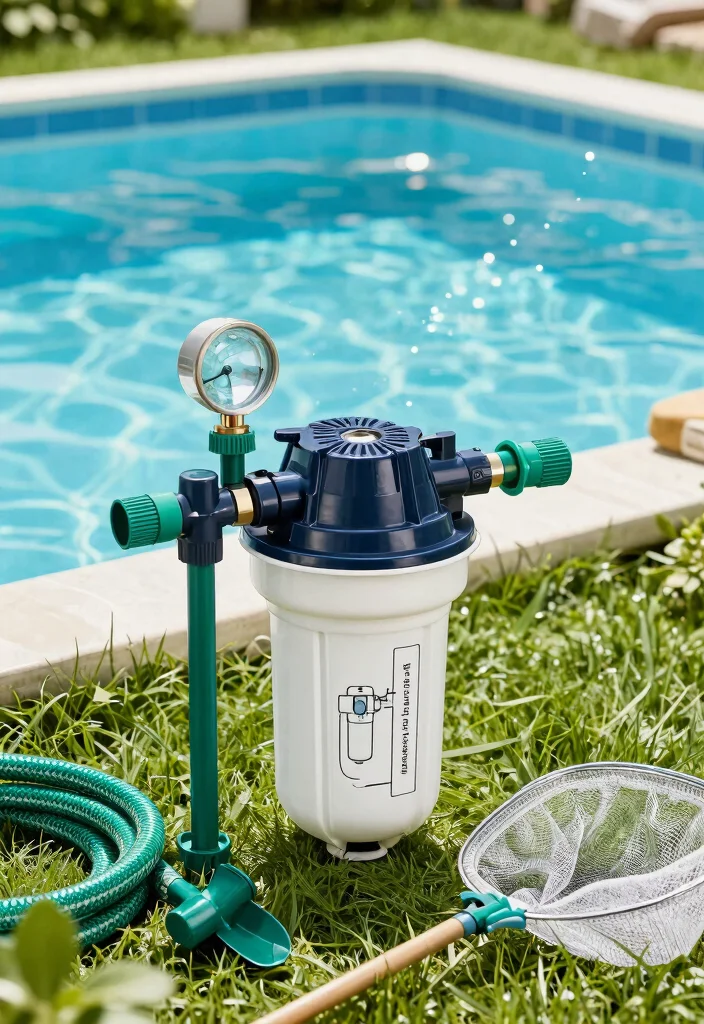
To keep your pool filter in peak condition, regular backwashing is a must. This simple task clears out dirt and debris, allowing your filter to work efficiently. If you neglect this step, your filter will struggle, leading to higher energy bills and more maintenance costs.
Try to backwash your filter monthly or after heavy use, like parties or storms. Investing a few minutes can save you hours of cleaning later on, ensuring your pool stays sparkling clean.
Quick Tips for Backwashing:
– Always turn off the pump first.
– Switch the valve to ‘backwash’ and run for 2-3 minutes.
– Look for clear water in the sight glass before switching back to ‘filter’.
Establishing a backwashing routine can enhance your water quality and extend your filter’s lifespan.
How To Choose The Right Pool Filter
Choosing the right pool filter is essential for maintaining clean and clear water. A good filter will help keep your pool safe and enjoyable. Here are some factors to consider when selecting a pool filter:
1. Type of Filter
There are three main types of pool filters: sand, cartridge, and diatomaceous earth (DE). Sand filters use sand as the filtration medium and are great for large debris. Cartridge filters capture smaller particles and are easy to maintain. DE filters provide the finest filtration but require more upkeep. Choose the type that fits your pool needs best.
2. Size and Flow Rate
The size of your filter should match the size of your pool. Look for the flow rate, measured in gallons per minute (GPM). A rule of thumb is to filter all the pool water in 8 hours. For example, if your pool holds 20,000 gallons, you need a filter that can handle at least 42 GPM.
3. Maintenance Requirements
Consider how much effort you’re willing to put into filter maintenance. Sand filters need backwashing, while cartridge filters require cleaning and replacement every few months. DE filters need regular replenishing of the diatomaceous earth. Assess your schedule and choose a filter that fits your lifestyle.
4. Energy Efficiency
Look for energy-efficient models that can save you money on electricity. Some filters have variable-speed pumps that let you adjust the flow rate, which can lead to significant savings over time. Check for energy ratings or certifications to guide your choice.
5. Budget
Set a budget for your pool filter. Prices can vary widely depending on the type and brand. While it might be tempting to go for the cheapest option, remember that investing in a good filter can save you money on maintenance and repairs in the long run.
6. Warranty and Reviews
Check the warranty offered by the manufacturer. A longer warranty often indicates quality and reliability. Additionally, read customer reviews to understand the experiences of other pool owners. This can give you insights into the filter’s performance and potential issues.
Pro Tip: Before purchasing, consult with a pool maintenance professional. They can offer personalized recommendations based on your pool size, location, and specific needs. This will help ensure you choose the best filter for your situation!
2. Use a Skimmer Sock
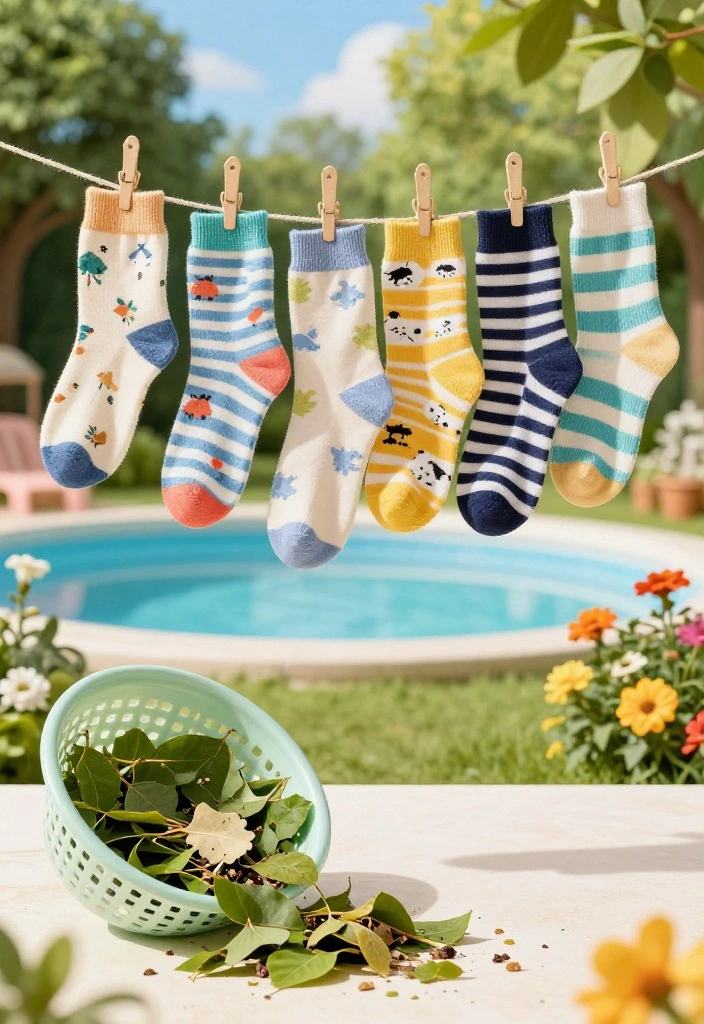
Have you discovered skimmer socks yet? These handy fabric sleeves fit over your skimmer basket and trap tiny debris and oils, making pool maintenance a breeze. They’re a low-cost solution that can save you time and effort in cleaning your filter.
By using skimmer socks, you’ll catch grime before it clogs your filter, which means less frequent cleanings and clearer water. Plus, they’re reusable—just rinse and replace!
Benefits of Skimmer Socks:
– Reduces how often you need to clean your filter.
– Maintains water clarity and lowers chemical usage.
– Simple to install and manage.
Adding skimmer socks to your routine will cut down on costs and keep your pool looking pristine.
3. Optimize Your Pump Run Time
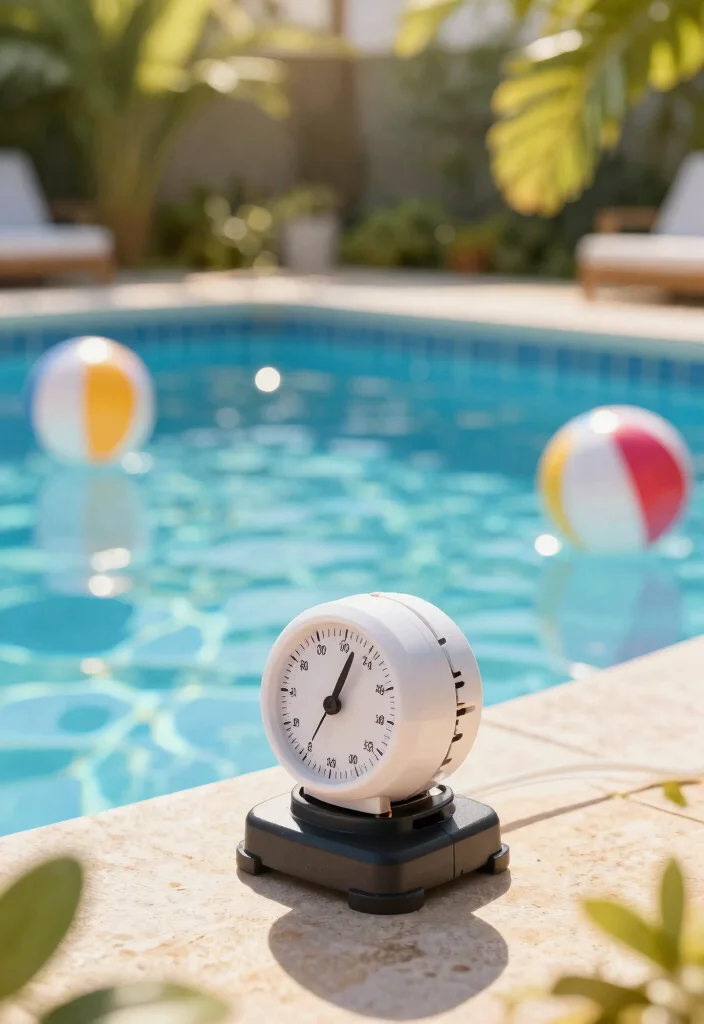
Are you wasting money by running your pool pump too long? Finding the right pump run time is key to effective pool care. Typically, running your pump for 8-12 hours a day is enough, depending on your pool’s size and usage.
Using a timer can help you automate this process, ensuring optimal filtration without added costs. Adjusting your pump schedule seasonally can further enhance efficiency, especially during peak swimming months.
Key Considerations:
– Regularly test your pool water to decide when to increase run time.
– Change pump hours based on seasonal needs.
By perfecting your pump schedule, you can enjoy a sparkling pool while keeping your energy bills in check.
4. DIY Pool Filter Cleaner
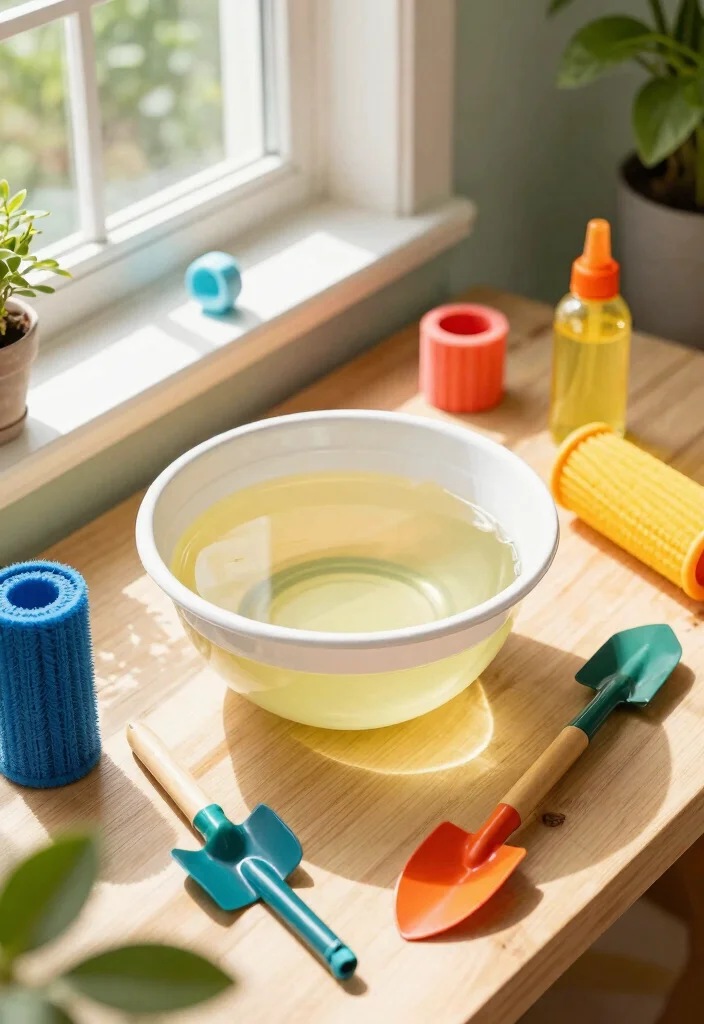
Why spend money on expensive pool filter cleaners when you can make your own? A simple mix of equal parts water and vinegar creates an effective, eco-friendly cleaner. Just soak your filters for a few hours, and watch grime and buildup disappear.
This natural solution not only saves money but is better for the environment. It’s an easy task that can make a big difference in your pool maintenance routine.
DIY Cleaner Steps:
1. Remove the filter from the pump.
2. Combine water and vinegar in a bucket.
3. Soak the filter for 2-3 hours.
4. Rinse thoroughly and let dry before reinstalling.
Utilizing this DIY cleaner can extend the life of your filters and keep costs down.
5. Keep the Surrounding Area Clean
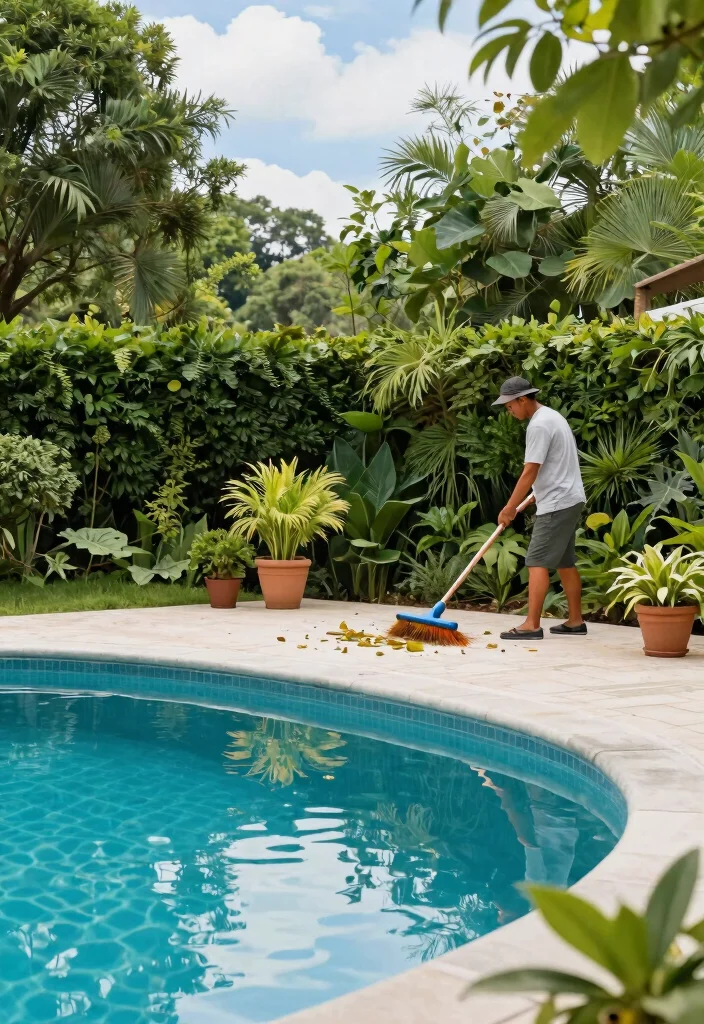
Did you know that the area around your pool can impact its filter performance? Keeping the deck and surrounding landscape tidy can significantly reduce debris entering your pool. Regularly sweeping and trimming overhanging branches will help keep dirt and leaves at bay.
Using a pool cover when the pool is not in use can also minimize the amount of debris that gets in. This small effort leads to a more efficient filtration system.
Best Practices:
– Check for debris daily and clean as needed.
– Use a leaf blower for quick cleanups.
– Plant windbreak plants to minimize debris.
By maintaining the surrounding area, you can lighten the load on your filter and enhance its longevity.
Pro Tip: Keep the area around your pool tidy and you’ll cut debris by half, no more chases after leaves every morning. This simple habit is one of the easiest pool filter hacks you’ll use all season. A quick sweep and a final cover go a long way.
6. Use Natural Enzymes
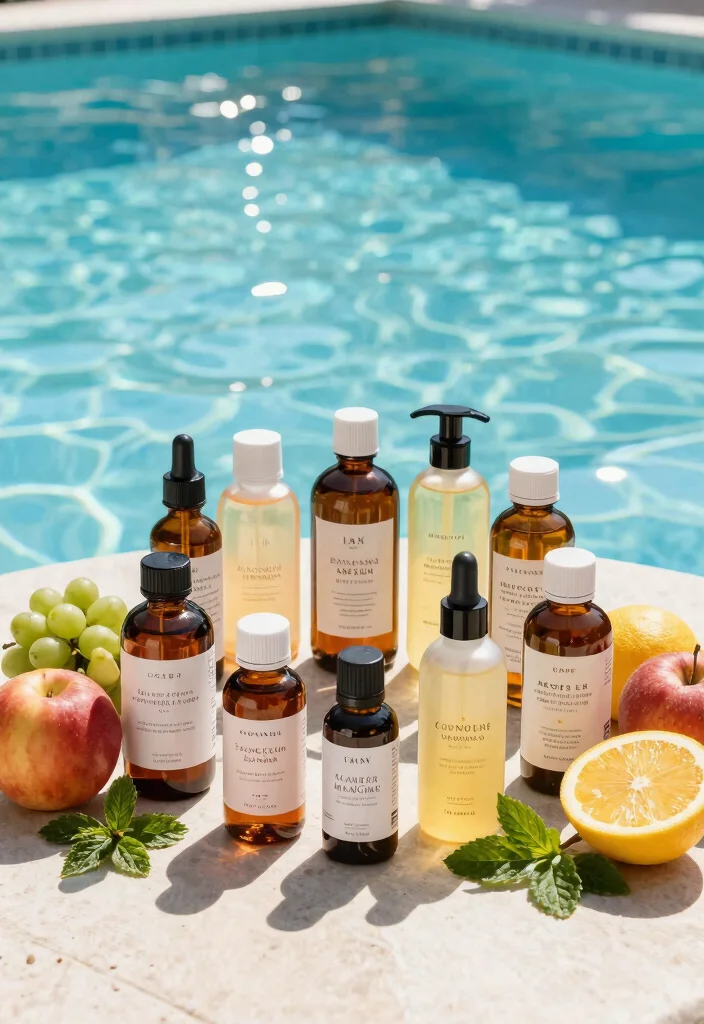
Introducing natural enzymes into your pool maintenance can work wonders for your filter. These eco-friendly substances break down organic materials like oils and scum, easing the burden on your filter. They’re available at most home improvement stores and are safe for swimmers.
Regular use of natural enzymes can improve water clarity and decrease the frequency of filter cleanings. This means less time spent on maintenance and more time enjoying your pool.
Benefits of Using Natural Enzymes:
– Cuts down on filter cleaning frequency.
– Enhances water clarity and reduces chemical needs.
– Safe for both swimmers and the environment.
Making natural enzymes a staple in your routine will lead to cleaner water and cost savings.
7. Swap Out Sand Regularly
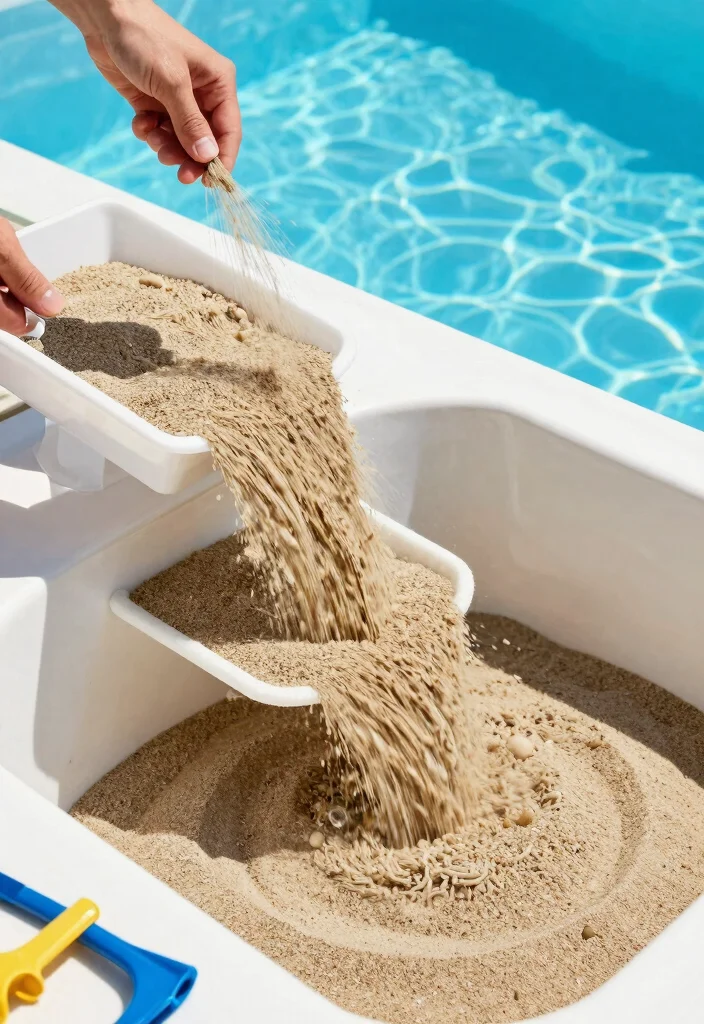
If your pool uses a sand filter, don’t forget to change the sand every few years. Fresh sand filters debris much better, keeping your pool water clean and clear. Although it requires some effort, this simple task can save you money over time.
Aim to replace the sand every 3-5 years, depending on your pool usage. New sand prevents clumping and ensures your filter works effectively.
Steps to Change Sand:
1. Turn off the pump and drain the filter.
2. Vacuum out the old sand.
3. Add fresh sand, ensuring it’s at the right level.
4. Backwash to clear any dust before restarting.
Regularly changing your sand will help maintain efficient water filtration, resulting in crystal-clear pool water.
8. Regular Maintenance Checks
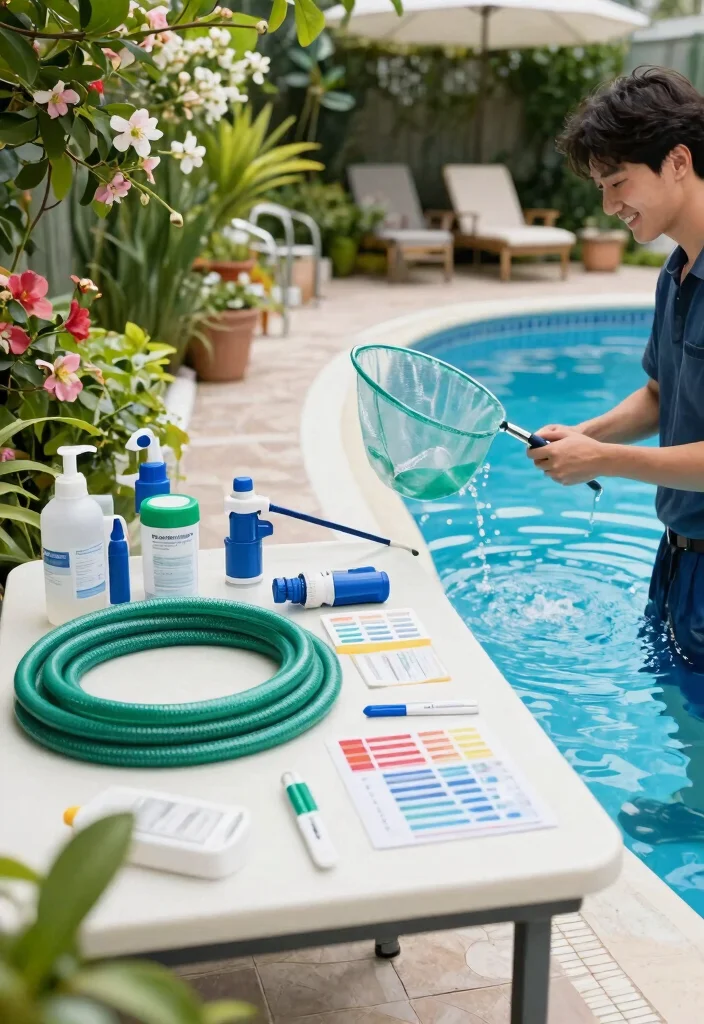
Regular maintenance checks can save you from major headaches! By inspecting your filtration system and surrounding areas, you can catch minor issues before they escalate. Look over hoses for leaks and ensure your pump is working as it should.
Monitoring your pool chemistry is crucial, too, as it helps you avoid problems that could impact your filter. A little attention goes a long way.
Check These Areas:
– Inspect hoses for wear or leaks.
– Clear skimmer and pump from debris.
– Look for clogs in cartridge filters.
Incorporating these checks into your routine will not only extend the life of your equipment but also save you money on repairs.
Fun fact: regular maintenance checks can cut pool energy costs by up to 30% and prevent costly filter repairs—all it takes is a quick hose inspection and skimmer clean each week. With a little attention, your pool stays efficient, and your pool filter hacks pay off in easy, stress-free seasons.
9. Join a Pool Owner Community

Connecting with fellow pool owners can be a fantastic resource! Being part of a community, whether online or in-person, opens the door to shared experiences, valuable tips, and cost-saving hacks. You’ll find a wealth of knowledge and support right at your fingertips.
These communities often share DIY maintenance ideas and local deals on pool supplies. You might even meet someone to team up with for maintenance tasks, making it more enjoyable.
Advantages of Community Engagement:
– Gain access to shared knowledge.
– Get support for troubleshooting issues.
– Opportunities for discounts through group purchases.
Joining a pool owner community not only helps you save money but also fosters friendships and a sense of belonging.
Joining a pool owner community means you gain access to pool filter hacks and DIY tips from real homeowners. Share ideas, grab local deals on pool supplies, and team up on maintenance tasks—saving time, money, and stress.
Conclusion

By implementing these hacks, you’re well on your way to enjoying a beautiful pool without the hefty costs. From natural cleaners to community support, every tip can contribute to efficient water filtration and long-term savings.
The best part? You can enjoy your time in the pool knowing you’ve taken smart steps to maintain it! So grab those tools and start making your pool filter and care routine more cost-effective today!
Note: We aim to provide accurate product links, but some may occasionally expire or become unavailable. If this happens, please search directly on Amazon for the product or a suitable alternative.
This post contains Amazon affiliate links, meaning we may earn a small commission if you purchase through our links, at no extra cost to you.
Frequently Asked Questions
What are the best pool filter hacks to save money on pool maintenance?
Here are the best pool filter hacks to save money on maintenance. Start with smart pump timing—run the pump in shorter, efficient intervals and avoid running it when the pool is idle. Clean the filter regularly (backwash or rinse) to keep efficient water filtration and reduce overall filtration time. Keep debris out with a pool cover and use a simple pre-filter or leaf trap to cut down on loading. These practical, DIY-friendly steps add up to real cost-effective pool care and better swimming pool upkeep tricks.
How can I boost filtration efficiency with simple DIY tricks?
Try a few DIY pool filter solutions that pack a punch: point the return jets to promote a wide, even current, vacuum regularly to waste to take burden off the filter, and keep baskets clean. Regularly test and balance water chemistry so the filter can do its job without working overtime. Watch your pressure gauge and backwash when the pressure rises 8-10 psi above the clean baseline. Pair these with a tight routine—brushing walls, skimming surface, and keeping debris out with a cover—for real pool maintenance tips and efficient water filtration.
Are DIY pool filter solutions safe and effective for long-term upkeep?
They can be safe and effective when you follow manufacturer specs and use compatible filter media. Avoid makeshift substitutes and don’t bypass safety features. Regular checks of hoses, clamps, and seals prevent leaks that trash efficiency. Start with water testing and chemistry adjustments, then apply small DIY tweaks like routine cleaning and backwashing. If unsure, consult a pro, but many DIY pool filter solutions can support steady, cost-conscious cost-effective pool care.
What cost-effective tweaks can improve circulation and cleanliness?
Move more water with a simple return jet adjustment to create a sweeping flow around the pool. Vacuum to waste to reduce debris the filter must handle, and keep skimmers and baskets clean. Use a pool cover to cut debris, evaporation, and chemical use. Brush walls and floor weekly to dislodge grime, which helps the filter work less and keeps your water looking clear with efficient water filtration and swimming pool upkeep tricks.
How often should I clean or replace filter media to maximize savings?
Track your filter pressure and clean or backwash when it rises 8-10 psi above the clean baseline. Cartridge filters typically need rinsing weekly and a full replacement every 1-3 years, depending on use; sand should last 5-7+ years with proper care; DE requires grid cleaning and media refresh every 2-3 years. Staying on a routine maintenance schedule is a major part of cost-effective pool care and helps you extend the life of your filter while keeping pool maintenance tips practical.




![21 Genius Garden Hose Storage Ideas [End the Clutter]](http://nestire.com/wp-content/uploads/2026/04/21-Genius-Garden-Hose-Storage-Ideas-End-the-Clutter-150x150.webp)
![15 Dreamy Canopy Tent Wedding Reception Ideas [Elegant]](http://nestire.com/wp-content/uploads/2026/04/15-Dreamy-Canopy-Tent-Wedding-Reception-Ideas-Elegant-150x150.webp)