![9 Pro DIY Pool Heater Installation Tips [Save Big Money]](http://nestire.com/wp-content/uploads/2026/04/9-Pro-DIY-Pool-Heater-Installation-Tips-Save-Big-Money.webp)
Creating a warm and inviting backyard pool can be a fantastic way to enjoy those sunny days. However, the cost of heating your pool can often drain your wallet faster than you can say “splash!” That’s why I crafted this post—because who doesn’t want to save big while still enjoying a cozy swim? With rising energy prices, it’s more important than ever to consider eco-friendly solutions that won’t break the bank.
If you’re a pool owner interested in DIY projects or someone who loves making your outdoor space more enjoyable, this guide is perfect for you. Whether you’re planning a summer backyard bash or just want to take a relaxing dip after a long day, these tips are designed to help you create an effective and affordable pool heating system. You’ll discover the best tricks to tackle your DIY pool heater installation with confidence.
In this post, I’ve compiled 9 pro DIY pool heater installation tips that are budget-friendly, practical, and super effective. You’ll gain insights into assessing your pool’s heating needs, choosing the right system, and even ensuring your setup is energy-efficient. By the end, you’ll be well-equipped to enjoy warm pool days without the hefty price tag!
Key Takeaways
– Assess Your Pool’s Heating Needs: Understand the size of your pool and your desired temperature to determine the right heating solution for you.
– Choose the Right Heating System: Explore various eco-friendly options, from solar heaters to heat pumps, that suit both your budget and energy goals.
– Gather Your Materials: Make a comprehensive list of all necessary tools and materials. Having everything ready will streamline your installation process.
– Follow Installation Guidelines: Stick to the manufacturer instructions and safety protocols during installation to ensure a smooth setup and avoid costly mistakes.
– Conduct Regular Maintenance: Keep your pool heater in top condition with periodic checks and maintenance, extending its lifespan and maintaining energy efficiency.
1. Assess Your Pool’s Heating Needs
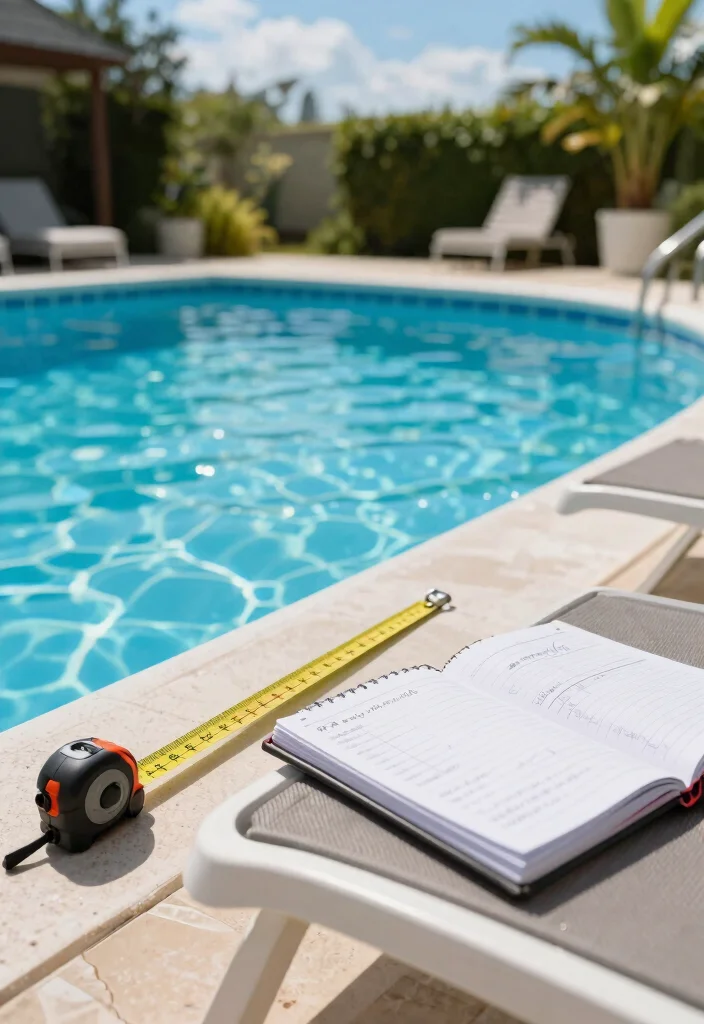
Understanding your pool’s unique heating needs is essential to get started. Every pool is different, influenced by size, depth, and climate. Begin by measuring your pool’s dimensions to figure out its water volume, which will give you a clearer picture of how much heat is necessary to reach your ideal temperature.
Consider your local weather patterns as well. In cooler areas, a heater with higher BTUs will help maintain that cozy swimming environment. Tip: Use a pool cover to keep the heat in during chilly nights, reducing energy use.
Identify what you want from your heating system. Are you aiming for year-round swimming or just a longer swim season? This decision will guide you in choosing the right heating solution.
2. Choose the Right Heating System
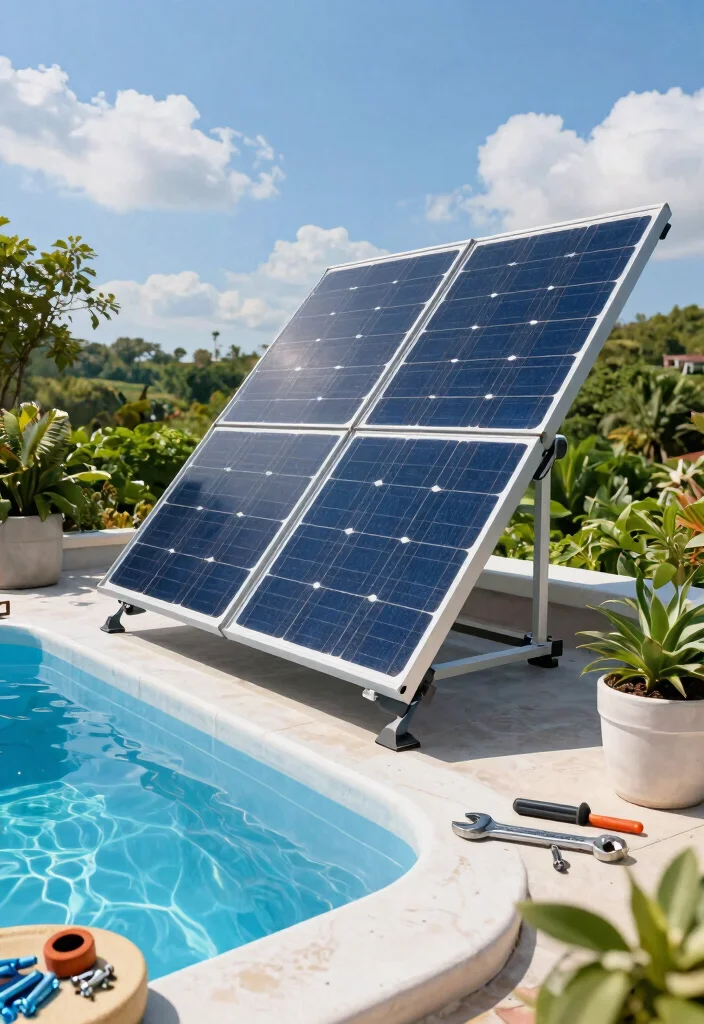
Picking the right heating system is vital for your pool’s efficiency and your wallet. Solar heaters stand out as an eco-friendly choice, utilizing sunlight to warm your water. You can place these on your roof or in sunny spots around your yard, saving on electricity costs. Alternatively, heat pumps can draw warmth from the air, making them ideal for milder climates.
If you have a smaller pool, think about a DIY solar cover to trap heat during the day and keep it at night. It’s a simple, budget-friendly solution!
When considering DIY, research material costs ahead of time to avoid overspending.
Did you know solar heaters can cut pool heating bills by up to 60–70% in sunny climates? With diy pool heater setup tips, you can install a roof-mounted solar heater or a water-to-air heat pump and start saving this season.
3. Gather Your Materials
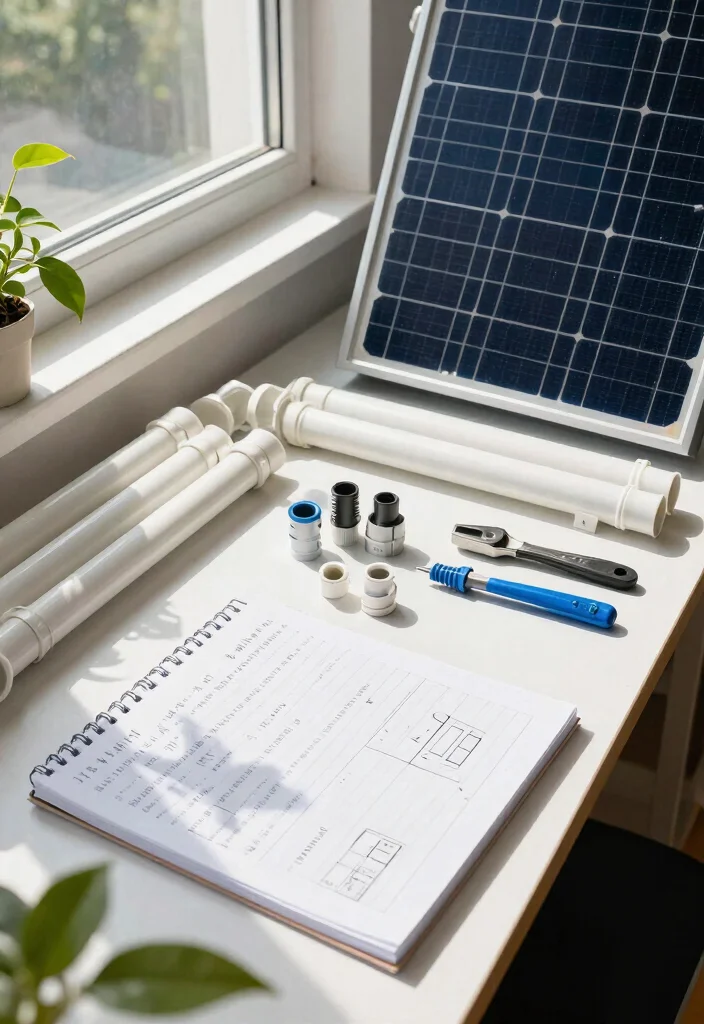
Now that you’ve chosen your heating system, it’s time to collect your materials. For solar heaters, gather solar panels, PVC pipes, valves, and connectors. If you opt for a heat pump, ensure you understand the specific installation requirements. Insulation materials may also be necessary to maintain warmth.
Check local hardware stores or online for eco-friendly options if sustainability is your goal. Pro Tip: Search for second-hand or repurposed materials, like old pipes or panels that still work, to save money and minimize waste.
And don’t forget your safety gear! Gloves, goggles, and a strong ladder are must-haves for a smooth installation.
Cost Breakdown & Budget Planning
When considering a DIY pool heater installation, budgeting is key. Knowing where your money goes can help you save big while enjoying a warm pool. Let’s break down the costs involved and offer guidance on how to plan your expenses effectively.
Cost Breakdown by Category:
– Materials/Products: Expect to spend between $300 to $1,500 on heaters, which can include solar panels, heat pumps, or electric heaters. The choice depends on your pool size and heating preferences.
– Tools/Equipment: If you don’t already own them, tools like wrenches, pipes, and connectors can run you around $50 to $200. Consider renting rather than buying if you don’t foresee using them again.
– Labor/Professional Installation: If you need help, hiring a pro may cost between $300 and $800. This varies based on the complexity of your setup. If you’re confident in your abilities, doing it yourself can save you this expense.
– Optional extras: Accessories such as timers, covers, or additional insulation can add about $50 to $300 to your total project cost. These can enhance efficiency and extend your heating season.
Budget Tier Breakdown:
Basic Economy Tier $
– What’s included: At this level, you might choose a basic electric heater and minimal piping. You’re looking at around $300 to $800.
– Good for: This option is great for small above-ground pools or if you want to test out heating solutions without a significant investment.
– Limitations: You may miss out on energy efficiency and long-term savings with this setup. A basic heater may not maintain consistent temperatures, especially in cooler months.
Mid-Range Tier $$
– What’s included: This balanced option typically includes a more energy-efficient heat pump and quality materials for installation, costing between $800 and $1,500.
– Good for: Ideal for average-sized in-ground pools where you spend more time swimming.
– Best value for: Most people will find this tier provides the best combination of performance and cost savings over time.
Premium Tier $$$
– What’s included: This includes high-end solar panel systems or advanced heat pumps, ranging from $1,500 to $3,000 or more.
– Good for: If you have a large in-ground pool or live in a cooler climate where you need reliable heating, this is a solid choice.
– Worth it if: You want the best efficiency, longer lifespan, and can justify the higher upfront costs with long-term savings on energy bills.
Money-Saving Tips:
– Buy Used: Look for second-hand heaters or equipment. Many pool owners sell their gear after upgrading, and you can snag a deal.
– DIY Installation: If you have basic plumbing skills, take on the installation yourself. This can save you hundreds on labor costs.
– Energy Audit: Conduct an energy audit to find out how to optimize heating efficiency. Sometimes, simple changes in pool covers or placement can significantly reduce heating costs.
– Seasonal Use: Only run your heater during peak swim season to avoid unnecessary energy costs.
Where to Splurge:
– Quality Heater: Invest in a reliable heating system. A high-quality heater will last longer and perform better, ultimately saving you money.
– Good Insulation: Don’t skimp on insulation materials for your plumbing. Proper insulation minimizes heat loss and increases efficiency, which pays off in the long run.
With these cost breakdowns and budget tiers, you can plan your DIY pool heater installation effectively. Knowing where to spend and where to save will help you enjoy a warm pool without breaking the bank. Happy swimming! 🌊💡
4. Plan Your Installation Layout
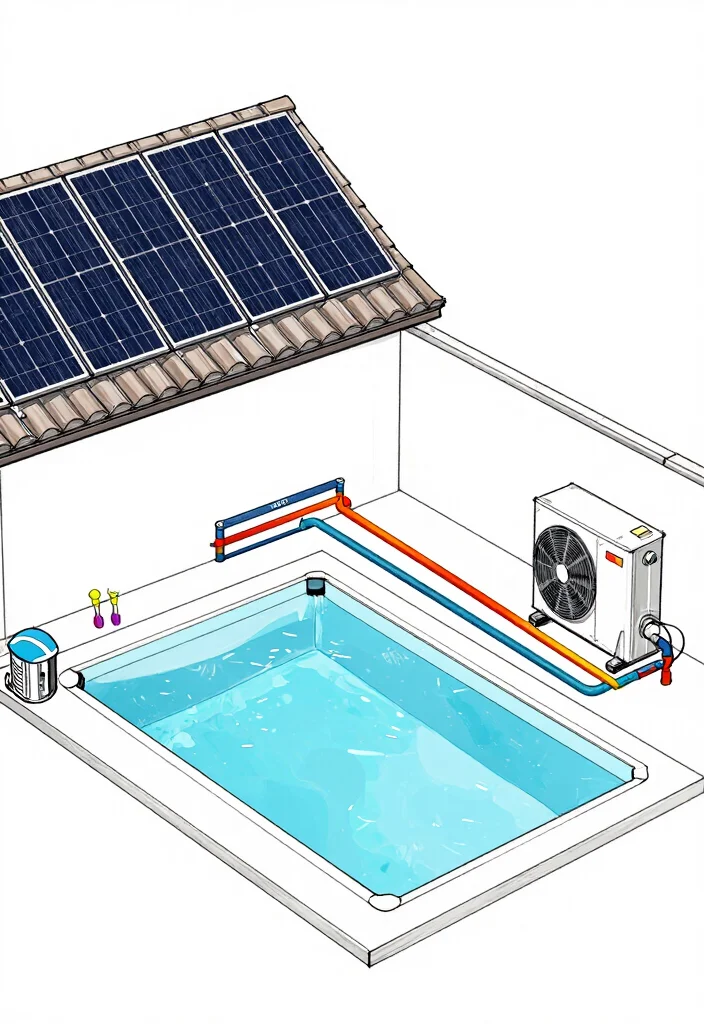
Careful planning of your installation layout is key to success. Decide where to place the solar panels or heat pump in relation to your pool. For solar panels, choose a spot that gets maximum sunlight, like a south-facing roof or a sunny yard area.
Map out how the pipes will connect your heating system to the pool, ensuring you have enough length to avoid any bends that could reduce efficiency. Sketch everything out before you begin the installation.
Tip: Allow for easy access to your equipment, making maintenance simpler in the long run!
5. Follow Installation Guidelines
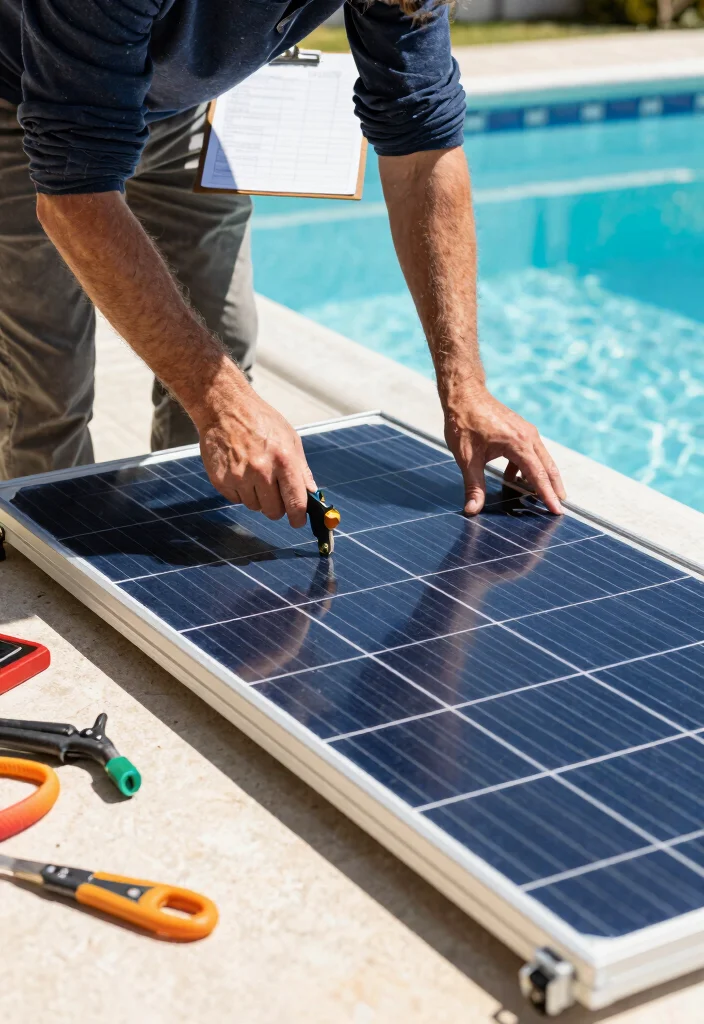
When it’s time to install, adhere to the guidelines tailored to your heating system. Following these steps ensures everything operates smoothly and safely. Whether you’re setting up solar panels or a heat pump, stick closely to the manufacturer’s directions.
If obstacles arise, don’t hesitate to reach out to seasoned DIYers or explore online resources for insights. Many forums offer shared experiences and helpful troubleshooting tips.
Keep a camera handy to document your process. This can serve as a valuable reference for future projects or help others looking to install a similar system.
6. Test Your System
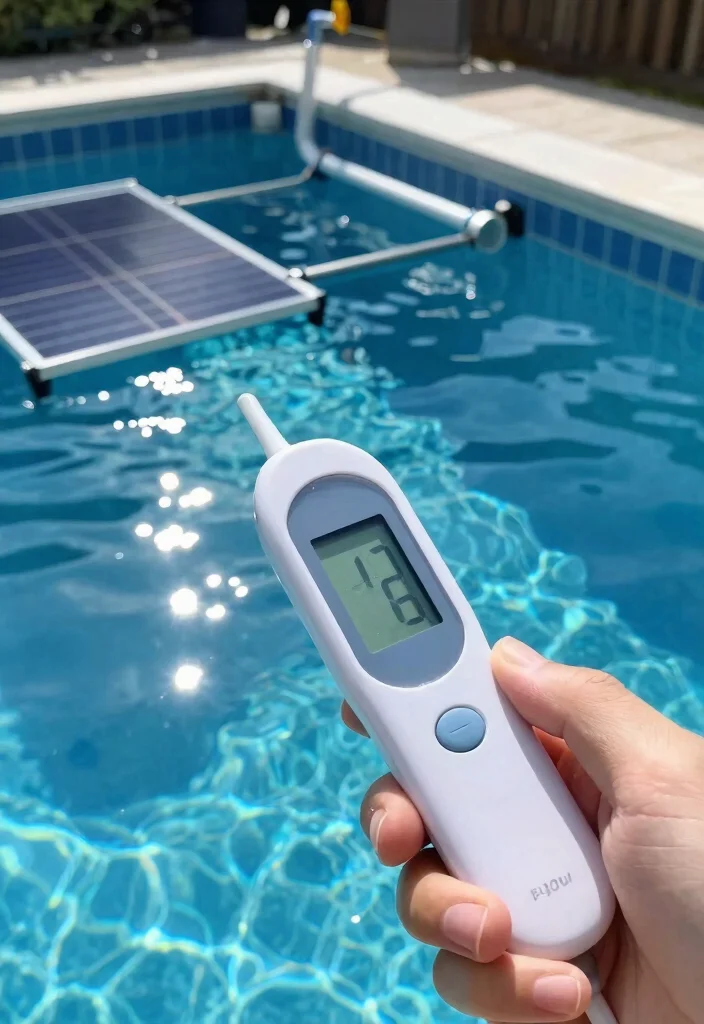
Once installed, it’s time for testing! Turn on your system and watch its performance closely. Check for any leaks at the connections and ensure that water flows smoothly through the heating pipes.
Run the heater for a few hours and then check the pool temperature. You should see a noticeable increase in warmth. If not, revisit your installation for troubleshooting.
Safety first: Always ensure that electrical connections remain dry and safe during testing. Celebrate your milestones as you enjoy the warmth of your hard work!
7. Conduct Regular Maintenance
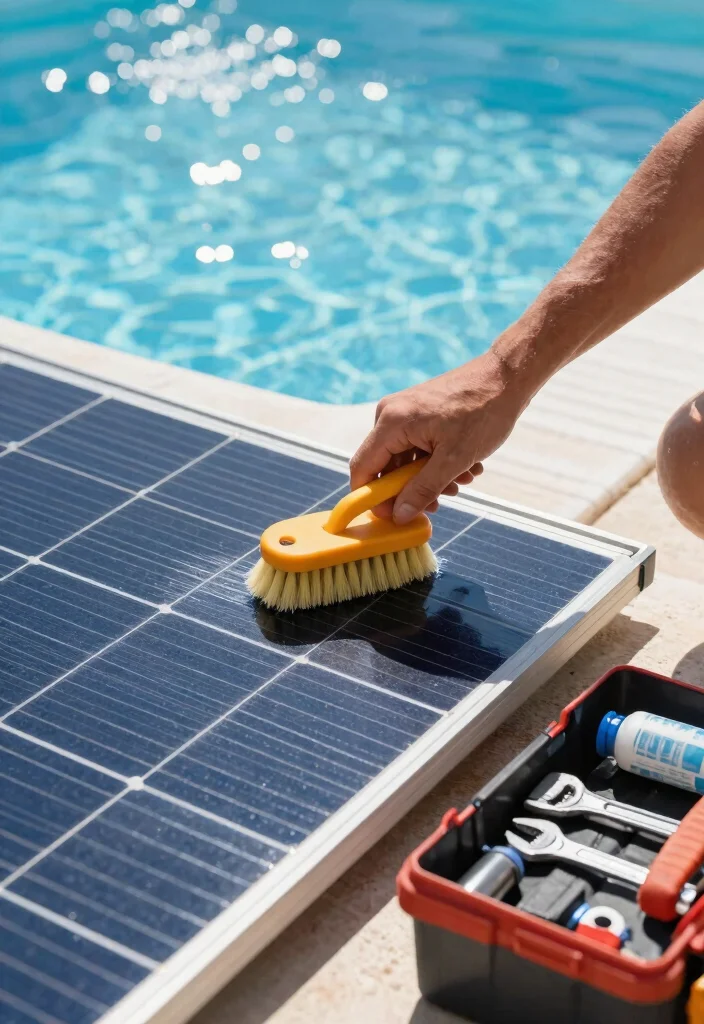
To keep your DIY pool heater running efficiently, regular maintenance is a must. Clean the solar panels or heat pump occasionally to prevent dirt and debris from blocking sunlight or airflow.
Inspect all connections for any signs of wear, tightening any loose fittings. If you use a solar cover, check it for rips and tears to ensure it works effectively in keeping heat.
Tip: Create a seasonal maintenance checklist to include cleaning and checking your heating system. This proactive habit will extend the life of your setup and maintain your pool’s warmth!
Did you know that applying diy pool heater setup tips during regular maintenance can boost efficiency by up to 20%? A quick quarterly check—clean panels, tighten fittings, and inspect the solar cover—keeps heat in and saves you money on every swim.
8. Monitor Energy Efficiency
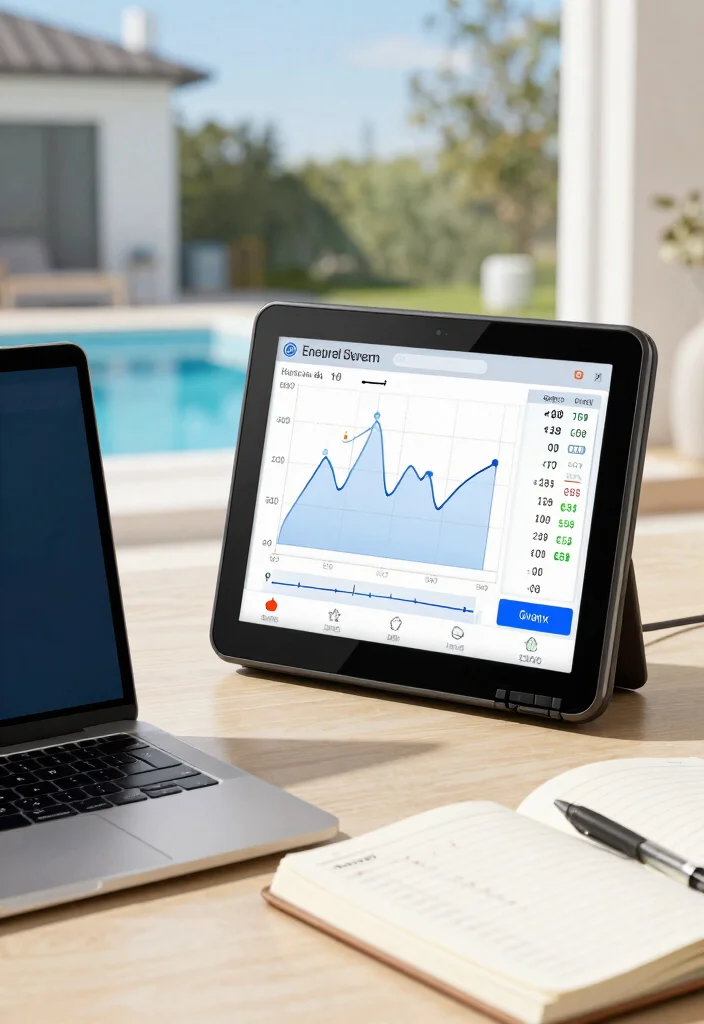
Keep an eye on how your heating system impacts your energy bills. A DIY pool heater can lead to significant savings, but tracking performance is essential to maintain efficiency.
Utilize an energy monitor or review your electricity bills regularly to gauge your heater’s energy consumption. If you spot any unexpected spikes, investigate potential inefficiencies or necessary repairs.
This attention not only helps manage costs but also supports a more eco-conscious lifestyle, knowing you’re keeping energy use in check.
9. Enjoy Your Warm Pool Savings!
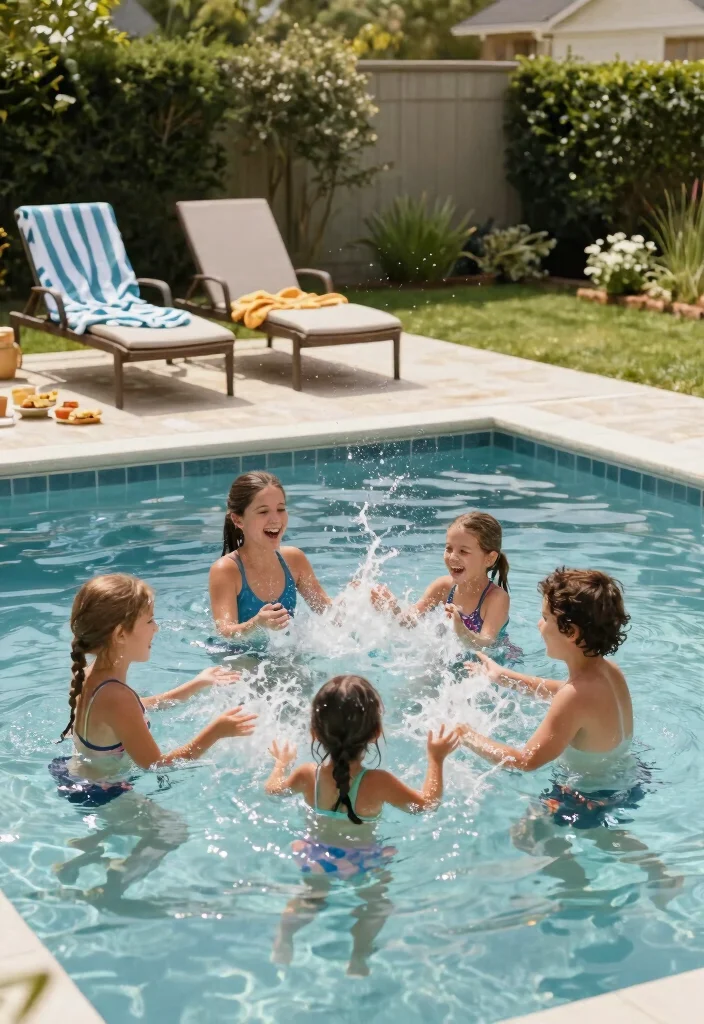
With your DIY pool heater up and running, it’s time to relish the benefits! Spend sunny days and warm evenings by the pool, swimming comfortably and entertaining guests. Not only have you saved money, but you’ve also embraced a more sustainable way to enjoy your outdoor space.
Consider sharing your journey on social media or with local groups. Your experience could motivate others to embark on similar projects and enjoy the perks of eco-friendly heating.
Fully enjoy your pool, knowing you’ve made a smart investment for both your budget and the environment.
Fun fact: With simple diy pool heater setup tips, you can cut heating costs by up to 60% in sunny seasons. Enjoy longer pool days, and inspire neighbors with eco-friendly, money-saving moves.
Conclusion
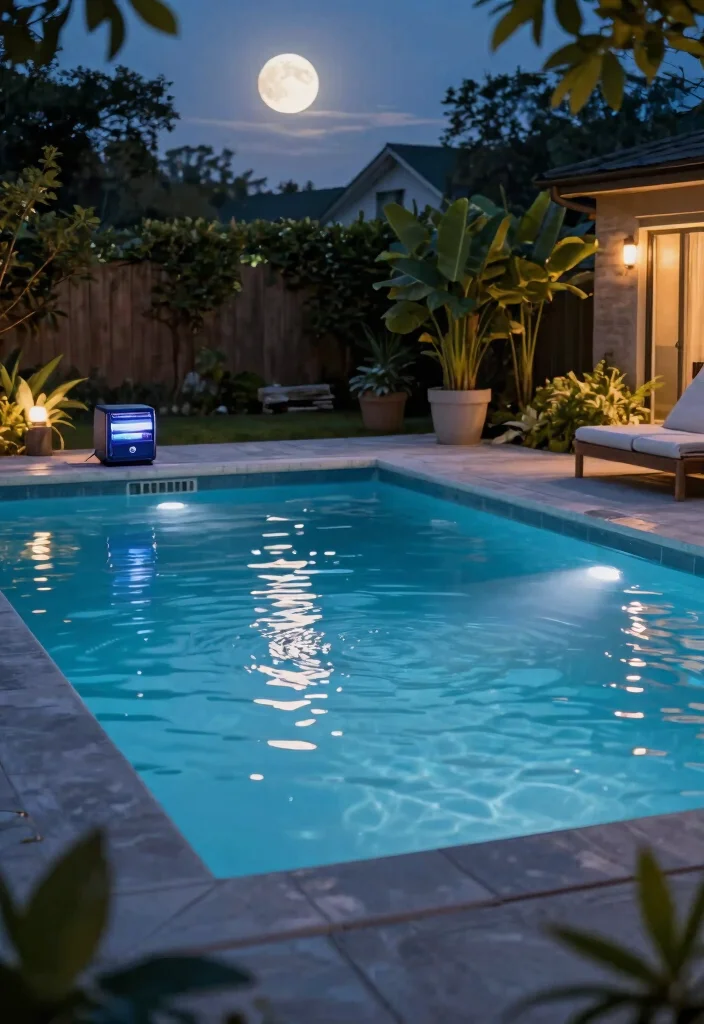
Installing your own pool heater can transform your swimming experience while helping you save money and stay eco-friendly. By following these tips, you bring warmth to your backyard and reduce energy costs. Dive into your next DIY project with confidence and enjoy the long-lasting benefits of a heated pool. If you’ve succeeded in your own installation, don’t hesitate to share your tips and experiences!
Note: We aim to provide accurate product links, but some may occasionally expire or become unavailable. If this happens, please search directly on Amazon for the product or a suitable alternative.
This post contains Amazon affiliate links, meaning we may earn a small commission if you purchase through our links, at no extra cost to you.
Frequently Asked Questions
What are the top diy pool heater setup tips for an eco-friendly install?
For an eco-friendly, cost-saving setup, start with accurate sizing for your climate and pool volume and use diy pool heater setup tips as your guide. If you have sun, solar collectors can offer near-zero operating costs, and a heat pump is a strong energy-efficient option in milder or cooler climates. Place solar collectors where they get full sun, angle them correctly, and run insulated plumbing with a bypass valve so you can bypass the heater on hot days. Safety matters: install a dedicated circuit, use GFCI protection, and follow local codes. Regular backyard pool maintenance helps you catch leaks or performance dips early and keeps your energy-efficient heating system running smoothly.
How do I choose an energy-efficient pool heater and handle pool heater installation in a DIY project?
Start by comparing options with high COP and efficiency ratings—solar pool heaters or heat pumps often win for long-term savings and cost-effective heating solutions. Check compatibility with your pool size, climate, and existing equipment. For installation, plan simple layouts: place the heater after the filter, add a bypass so you can isolate the unit, and use insulated pipes and leak-check every joint. Do-it-yourself projects are doable for solar panels or simple pump-based heaters, but for gas or complex plumbing, hire a pro. Always follow local building codes and ensure electrical work is done by a licensed electrician. pool heater installation should be approached with safety first.
What are the most cost-effective heating solutions for a backyard pool?
Consider a layered approach: cover the pool with a solar cover when not in use to cut heat loss, then add solar panels for renewable heat or a compact heat pump for efficiency in cooler days. Solar-only is great for sunny climates; in mixed climates, a hybrid with energy-efficient heating works best. Compare upfront costs vs. annual savings to identify cost-effective heating solutions. Upgrade to energy-saving pumps and keep an eye on leaks to maximize efficiency, reinforcing your backyard pool maintenance routine.
Are there easy DIY pool projects I can do to improve heating without compromising safety?
Absolutely—start with simple DIY pool projects like installing a solar pool heater panel kit, adding a pool cover to reduce evaporation, and upgrading to insulated hoses and smart thermostats. Choose projects with clear safety instructions and keep all electrical work out of reach for non-professionals. Use a bypass valve so you can run the system without heating during maintenance. Always check local codes and consult a pro if you’re unsure. This keeps your DIY pool projects safe and effective while protecting your family.
How should I maintain an eco-friendly pool heating system for long-term performance?
Set a seasonal maintenance plan: clean and inspect solar collectors, keep filters clean for good flow, check for leaks, and ensure insulation on exposed pipes. Monitor energy use and adjust temperatures to avoid overworking the energy-efficient heating system. Winterize outdoor components as needed and store or protect them when off-season. Track savings over time to confirm your cost-effective heating solutions are delivering value, while keeping your backyard pool maintenance routine simple and effective.



![21 Genius Garden Hose Storage Ideas [End the Clutter]](http://nestire.com/wp-content/uploads/2026/04/21-Genius-Garden-Hose-Storage-Ideas-End-the-Clutter-150x150.webp)
![15 Dreamy Canopy Tent Wedding Reception Ideas [Elegant]](http://nestire.com/wp-content/uploads/2026/04/15-Dreamy-Canopy-Tent-Wedding-Reception-Ideas-Elegant-150x150.webp)