
Summer’s rolling in, and there’s nothing quite like the refreshment a swimming pool brings. Yet, with pool ownership comes the challenge of keeping it clean and eco-friendly. You might be wondering how you can upgrade your pool filter system while also enhancing your backyard. Well, I created this post just for you.
If you’re passionate about gardening and outdoor living spaces, this guide will resonate with you. Whether you’re looking to maintain a pristine pool or create a more sustainable outdoor environment, you’ll find valuable insights here. I gathered 13 practical pool filter ideas and backyard upgrades that are not only functional but also eco-conscious, stylish, and perfect for anyone wanting to elevate their space.
From natural swimming pools to smart pool technology, this list offers a variety of options. You’ll learn how to improve your pool’s upkeep while also beautifying your backyard. These ideas will help you enjoy an outdoor retreat that aligns with your values and enhances your lifestyle—one that is cleaner, greener, and more inviting.
Key Takeaways
– Discover options like natural swimming pools and biofilter systems that harness nature for effective filtration while adding beauty to your space.
– Learn about chlorine-free solutions and eco-friendly pool covers that reduce chemical use and promote a healthier swimming environment.
– Explore the benefits of rainwater harvesting systems and water-saving pool filters to conserve resources and lower your utility bills.
– Find inspiration for landscaping with pool-friendly plants and creating outdoor shower spaces that enhance your backyard’s aesthetic and functionality.
– Get insights on solar pool heating systems and smart pool technology that make maintenance easier and more efficient without compromising sustainability.
1. Natural Swimming Pool
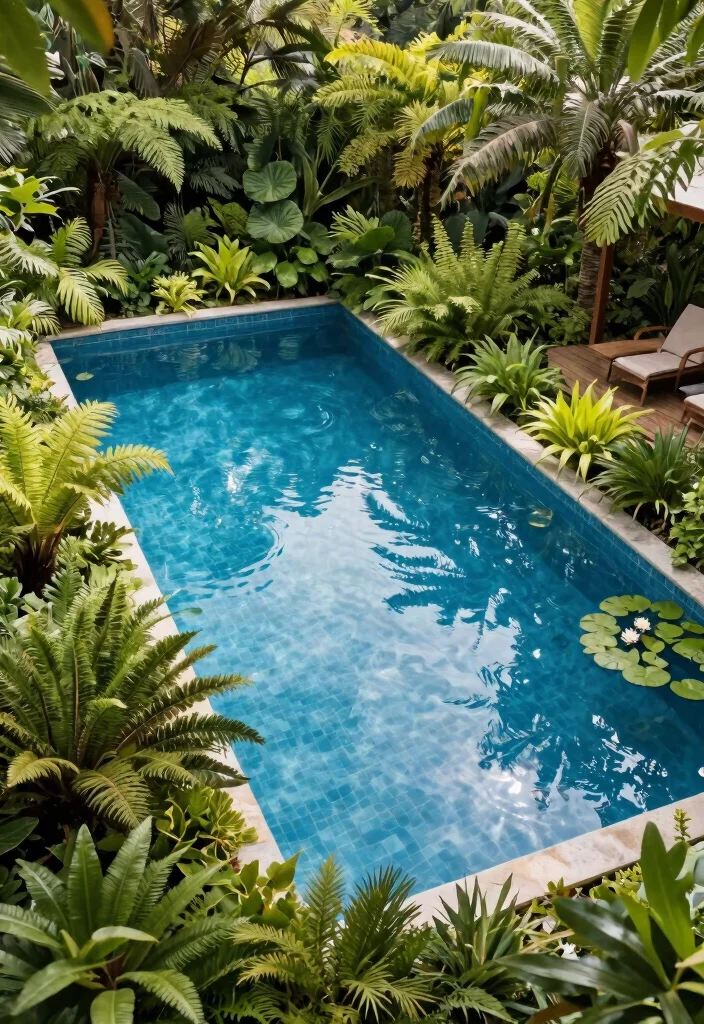
Imagine diving into a pool that feels like a serene oasis, free from harsh chemicals! Natural swimming pools utilize a unique biological filtration system to keep the water crystal clear. With a combination of vibrant plants and natural materials like gravel, these pools create a self-sustaining ecosystem that enhances your swimming experience.
Not only do they promote environmental health, but they also add a stunning garden-like aesthetic to your backyard. Here’s how to design your own natural swimming pool:
– Choose native plants: They thrive in your area and support local wildlife.
– Create a regeneration zone: This designated space for water plants helps filter and beautify the pool.
– Plan your layout carefully: Position the pool to maximize sunlight for both plant growth and swimmer comfort.
By opting for a natural swimming pool, you enjoy a healthier swimming environment while contributing positively to local ecosystems.
Did you know natural swimming pools can reduce chemical use by up to 90% with a plant-based biofilter? Create a self-sustaining oasis using gravel beds and lush margins—it’s one of the simplest pool filter ideas that doubles as garden drama.
2. Biofilter Pool System
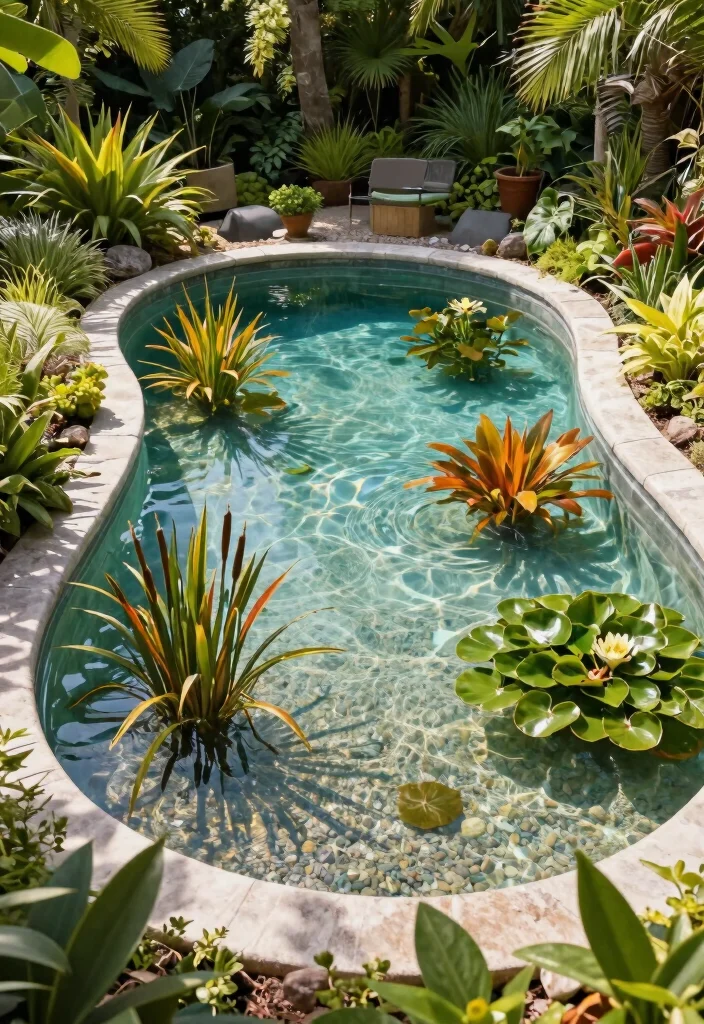
Transform your pool maintenance routine with a biofilter pool system that keeps water clean sustainably. This innovative method replaces chemical treatments with natural filtration using layers of gravel, sand, and aquatic plants. This approach not only purifies your pool but also nurtures a habitat for beneficial organisms.
You’ll enjoy lower chemical costs and a reduced environmental impact. Here are key steps to implement a biofilter system:
– Select appropriate plants: Opt for wet-loving plants like cattails that effectively absorb impurities.
– Ensure adequate water circulation: A pump may be essential to keep water flowing through the filtering layers.
– Maintain regular checks: While maintenance is simpler, monitor plant health and water clarity regularly.
With a biofilter system, you’ll enjoy a beautiful pool that doubles as a lush garden, enhancing your outdoor space.
Turn backyard chores into pool sparkle. Biofilters slash chemical use while keeping water crystal clear, and you’re doing it with nature. It’s a practical twist on pool filter ideas: plant layers, gravel, sand, and you’re done.
3. Chlorine-Free Pool Solutions
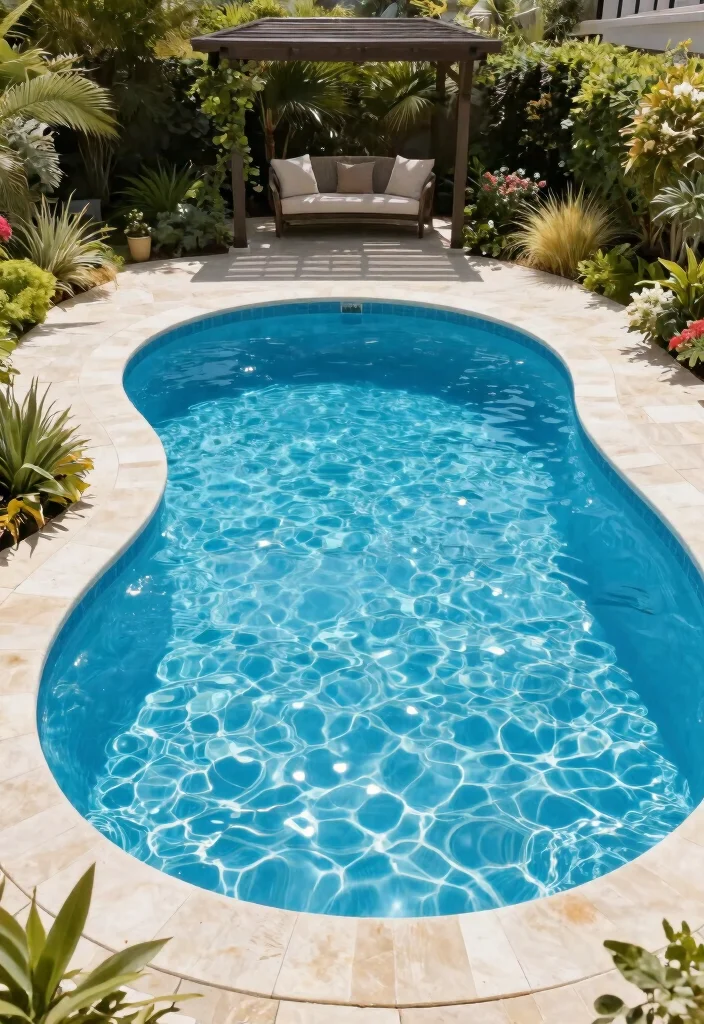
Wave goodbye to harsh chlorine and embrace gentle, chlorine-free pool alternatives! Saltwater systems and mineral pools provide a softer swimming experience without the irritation of chemicals. Saltwater setups convert salt into chlorine, resulting in water that’s kinder to your skin. Mineral pools, on the other hand, use natural minerals like copper and silver for purification.
Here’s how to choose the ideal chlorine-free option for your backyard:
– Assess your pool size: The system type may depend on your pool dimensions, so select one that suits your needs.
– Factor in installation costs: Initial expenses for salt or mineral systems may be higher, but long-term savings can be significant.
– Verify local regulations: Ensure your chosen system meets health code requirements in your area.
Choosing chlorine-free solutions not only enhances your swimming experience but also contributes to a healthier environment.
4. Rainwater Harvesting Systems
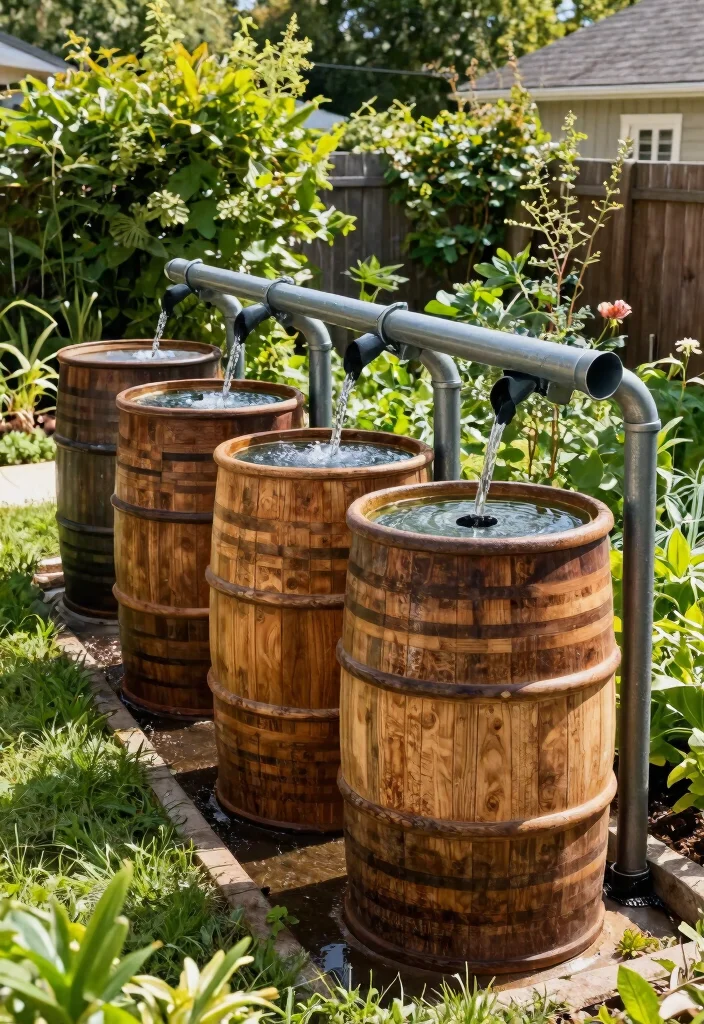
Harness the power of nature with a rainwater harvesting system to maintain your pool sustainably. This innovative solution captures rainwater from your roof and filters it for pool use. Not only does this lower your water bill, but it also conserves vital resources.
To implement a rainwater harvesting system, consider these steps:
– Set up a collection system: Use gutters and downspouts to channel water into food-grade storage tanks.
– Filter the water: Employ screens and sediment filters to ensure cleanliness before it enters your pool.
– Connect to your pool system: An effective filtration setup is crucial for utilizing harvested rainwater efficiently.
This eco-friendly solution benefits both your pool and local water conservation efforts, creating a win-win for you and the planet.
5. Eco-Friendly Pool Covers
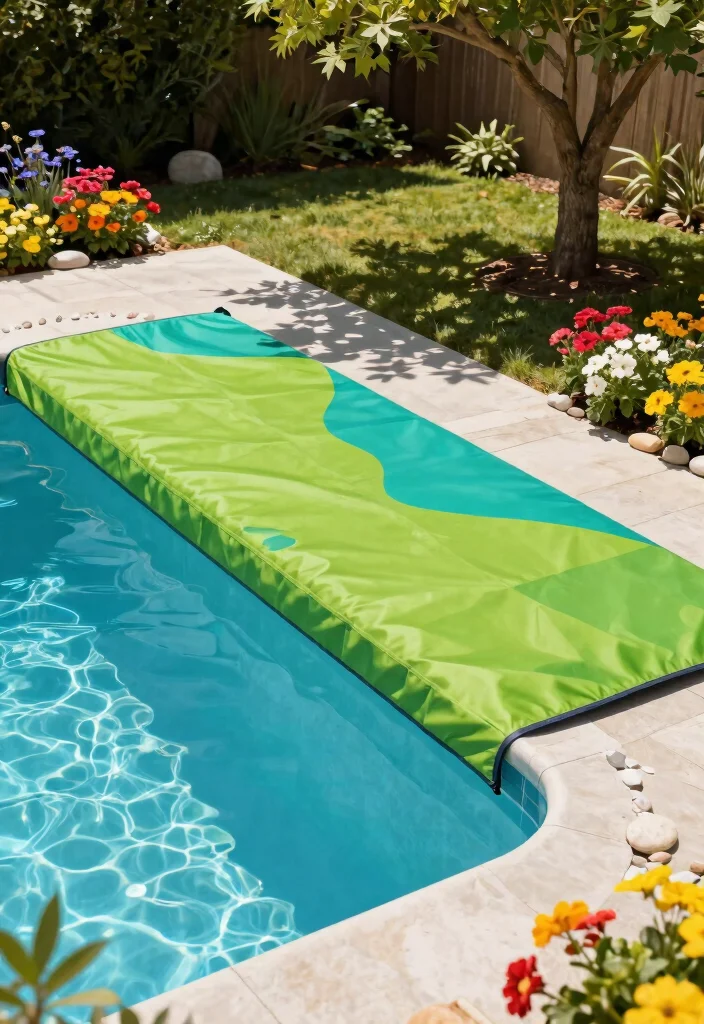
Protect your pool and reduce water evaporation with eco-friendly pool covers! Constructed from sustainable materials, these covers help maintain water temperature and minimize debris. Choosing the right cover can significantly lessen your maintenance workload.
Keep these features in mind when selecting a pool cover:
– Identify material type: Opt for covers made from recycled or biodegradable materials.
– Ensure a proper fit: Covers should snugly fit your pool and be easy to handle daily.
– Explore additional benefits: Some covers can act as solar blankets, warming the pool water naturally.
Investing in an eco-friendly cover not only safeguards your pool but also promotes a more sustainable environment in your backyard.
6. Landscaping with Pool-Friendly Plants
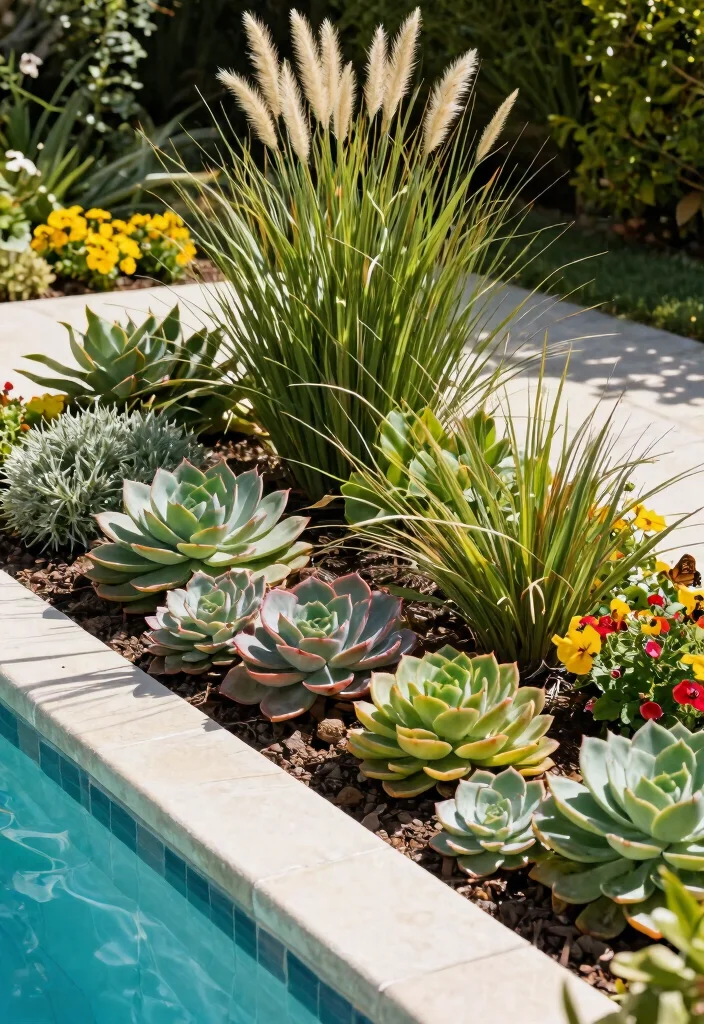
Enhance the beauty of your pool area by landscaping with the right plants that require less maintenance. Look for pool-friendly varieties that resist pests and thrive in your climate.
Here are some fantastic options for your poolside landscaping:
– Choose succulents and cacti: These low-water plants flourish in warm settings and are easy to care for.
– Incorporate ornamental grasses: They add texture and movement, perfectly complementing your pool’s curves.
– Select flowering shrubs: Opt for native varieties that attract pollinators without dropping debris into the pool.
Thoughtful landscaping creates a tranquil environment, merging nature with relaxation while supporting eco-friendliness.
7. Solar Pool Heating Systems
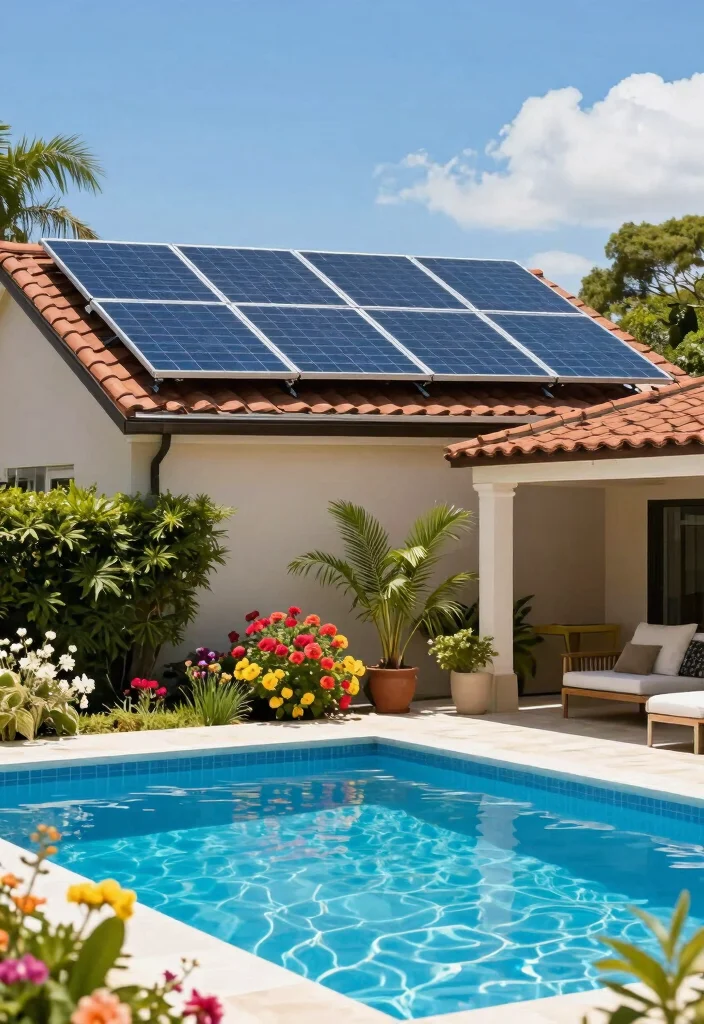
Extend your swimming enjoyment with solar pool heating systems! These solutions harness sunlight to warm your pool water, significantly cutting down on electricity and fossil fuel use.
Here’s how to get started with solar heating:
– Choose the right solar panels: The number of panels needed will depend on your pool size for optimal heating.
– Ensure proper installation: Position panels on your roof or nearby structure to maximize sunlight exposure.
– Incorporate a reliable pump: This is essential for circulating heated water back into your pool.
Solar heating is a sustainable option that lowers energy costs and enhances your swimming experience year-round.
Key Trade-offs & Our Top Pick
Option Comparison
1. Natural Swimming Pool
– Pros:
– Uses plants to filter water naturally, reducing chemical use.
– Provides a beautiful and eco-friendly aesthetic to your backyard.
– Offers a unique swimming experience that mimics a natural pond.
– Cons:
– Higher initial installation costs compared to traditional pools.
– Requires more maintenance to keep the plant life healthy.
– May not be suitable for small backyards.
– Best for: Homeowners looking for an attractive and sustainable swimming option while minimizing chemical use.
2. Biofilter Pool System
– Pros:
– Effective at cleaning water without harsh chemicals.
– Can be integrated easily into existing pool structures.
– Offers a chemical-free swimming experience for family and pets.
– Cons:
– Initial setup costs can be high.
– Requires regular maintenance and monitoring of the filtration system.
– May take longer to filter water compared to traditional systems.
– Best for: Families who prioritize a chemical-free environment and are willing to invest in maintenance.
3. Chlorine-Free Pool Solutions
– Pros:
– Reduces skin and eye irritation caused by traditional chlorine pools.
– More environmentally friendly options available, such as saltwater systems.
– Often leads to lower chemical purchase costs over time.
– Cons:
– Some systems like saltwater can still require occasional chlorine use.
– Initial setup costs may be higher compared to traditional chlorine pools.
– May not be suitable for all types of pool designs.
– Best for: Those looking for a comfortable swimming experience with lower chemical exposure.
4. Rainwater Harvesting Systems
– Pros:
– Eco-friendly way to collect and use rainwater for pool maintenance.
– Reduces reliance on municipal water sources, saving money.
– Helps conserve water during droughts and dry seasons.
– Cons:
– Initial setup can be complex and may require professional help.
– Effectiveness depends on local rainfall patterns.
– Not all areas allow for rainwater harvesting due to regulations.
– Best for: Environmentally conscious homeowners eager to implement water-saving measures.
5. Eco-Friendly Pool Covers
– Pros:
– Reduces water evaporation and energy consumption for heating.
– Helps keep the pool clean and reduces maintenance time.
– Can be made from recycled materials, enhancing sustainability.
– Cons:
– Some covers may not fit all pool shapes and sizes.
– Initial costs can be high depending on material quality.
– Requires regular removal and storage when not in use.
– Best for: Pool owners looking to minimize water waste and reduce heating costs.
Expert Recommendation:
Best Overall: Natural Swimming Pool
This option stands out as the top pick for many reasons. It combines beauty and sustainability, creating a swimming experience that feels natural. Although the initial investment is higher, the long-term benefits, like reduced chemical use and a unique aesthetic, make it worthwhile. Plus, the natural filtration system can significantly lower maintenance costs over time.
Why We Picked This:
While the Natural Swimming Pool is our favorite, each option has its place. If you want a simpler solution, the Biofilter or Chlorine-Free options might be more suitable. If your focus is on sustainability, the rainwater harvesting system is a great choice. Consider your specific needs, budget, and the look you want for your outdoor space when making your decision. Remember, there’s no one-size-fits-all solution, so choose what aligns best with your lifestyle and values!
8. Water-Saving Pool Filters
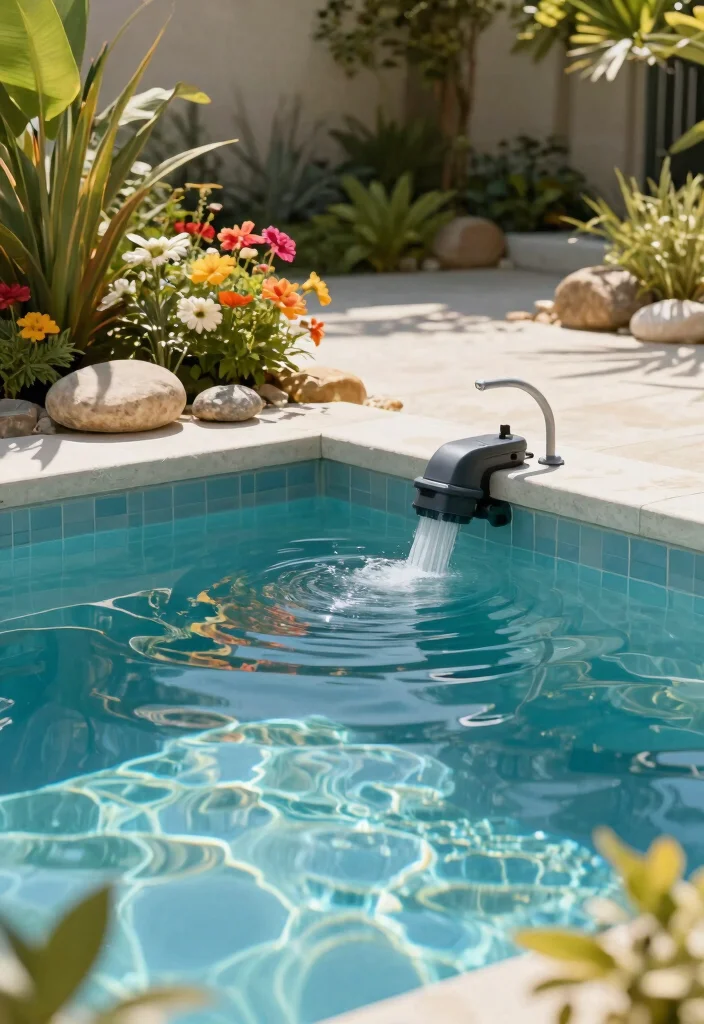
Adopting a water-saving pool filter can dramatically decrease your pool’s water consumption. These innovative filters are designed to keep your water clear while using less water.
Consider these types of filters for a sustainable choice:
– Opt for cartridge filters: They require minimal backwashing, reducing water waste significantly.
– Explore diatomaceous earth (DE) filters: New models use less water during backwashing compared to traditional sand filters.
– Seek energy-efficient models: Filters designed for efficiency use less power to operate effectively.
By choosing water-saving filters, you not only save money but also conserve precious resources in your backyard.
9. Smart Pool Technology
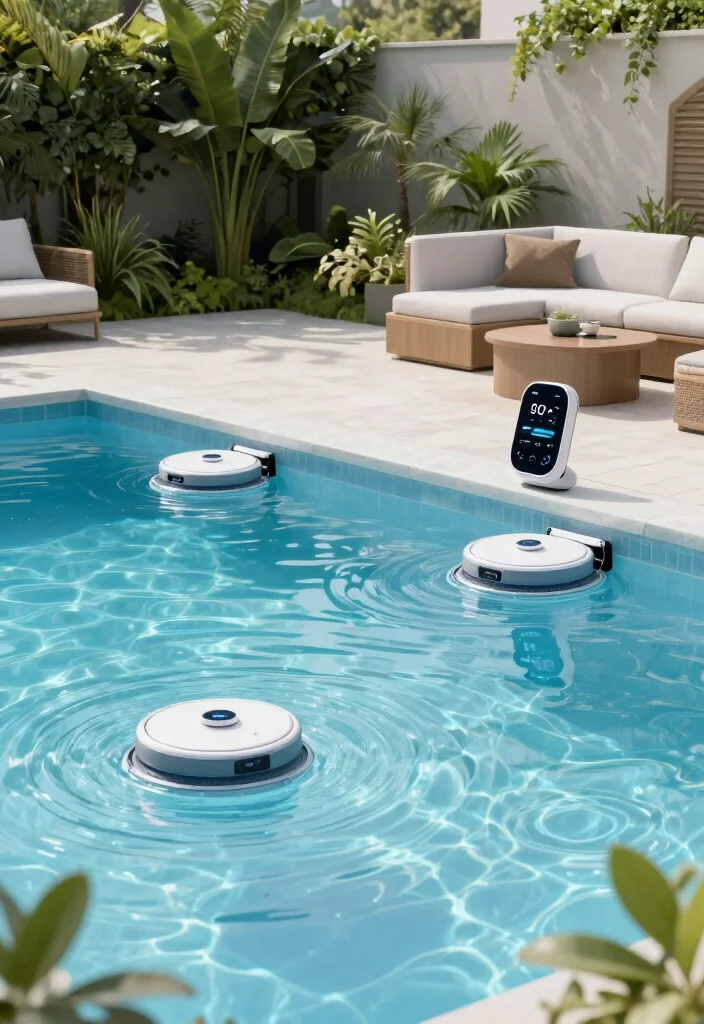
Step into the future with smart pool technology! Automated systems monitor water quality, adjust chemical levels, and even alert you when maintenance is needed—all from your smartphone.
Here’s how smart technology can enhance your pool care:
– Utilize water quality monitoring: Smart sensors detect pH, chlorine, and temperature levels for optimal pool conditions.
– Implement automated cleaning: Robotic pool cleaners save you time by effectively cleaning surfaces and scrub walls.
– Enjoy remote control access: Adjust your pool’s settings from anywhere, simplifying maintenance.
Investing in smart technology streamlines your pool care while promoting eco-friendly practices through resource optimization.
10. Recycled Pool Materials
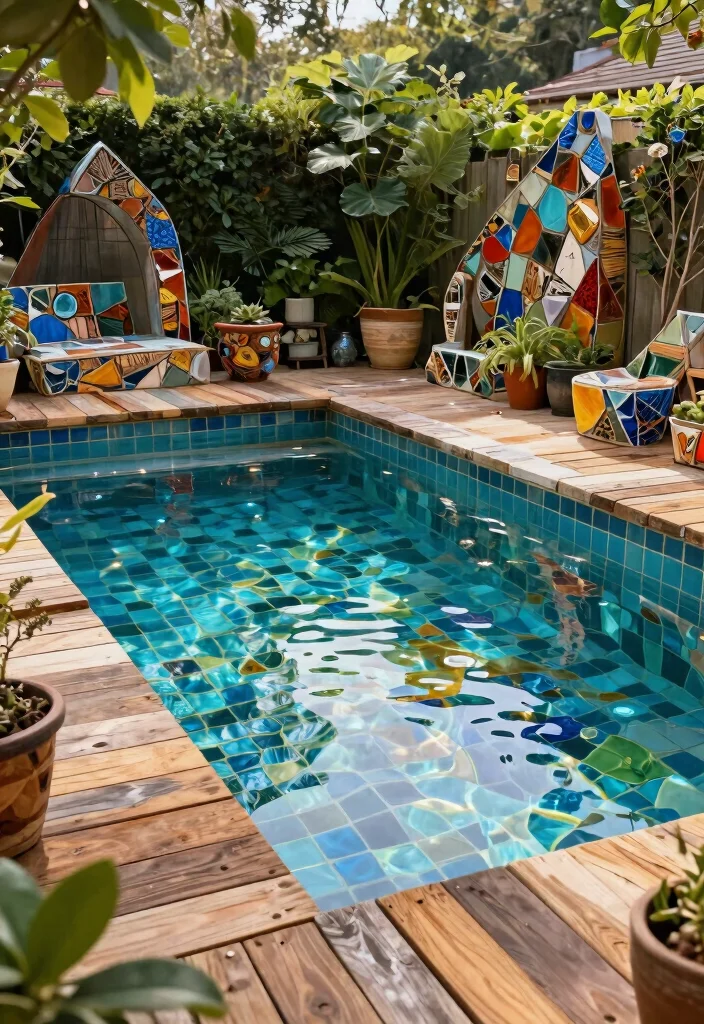
Building or renovating your pool with recycled materials is a fantastic step toward sustainability. Using reclaimed wood, recycled glass tiles, and eco-friendly liners can create unique and stylish designs.
Here are tips for incorporating recycled materials into your pool project:
– Select locally sourced materials: This minimizes the carbon footprint associated with transportation.
– Experiment with creative designs: Combining different recycled materials results in stunning visual effects.
– Focus on durability: Choose long-lasting materials to reduce the need for frequent replacements.
Utilizing recycled materials not only reduces waste but also adds character and charm to your outdoor living space.
11. Composting Pool Waste
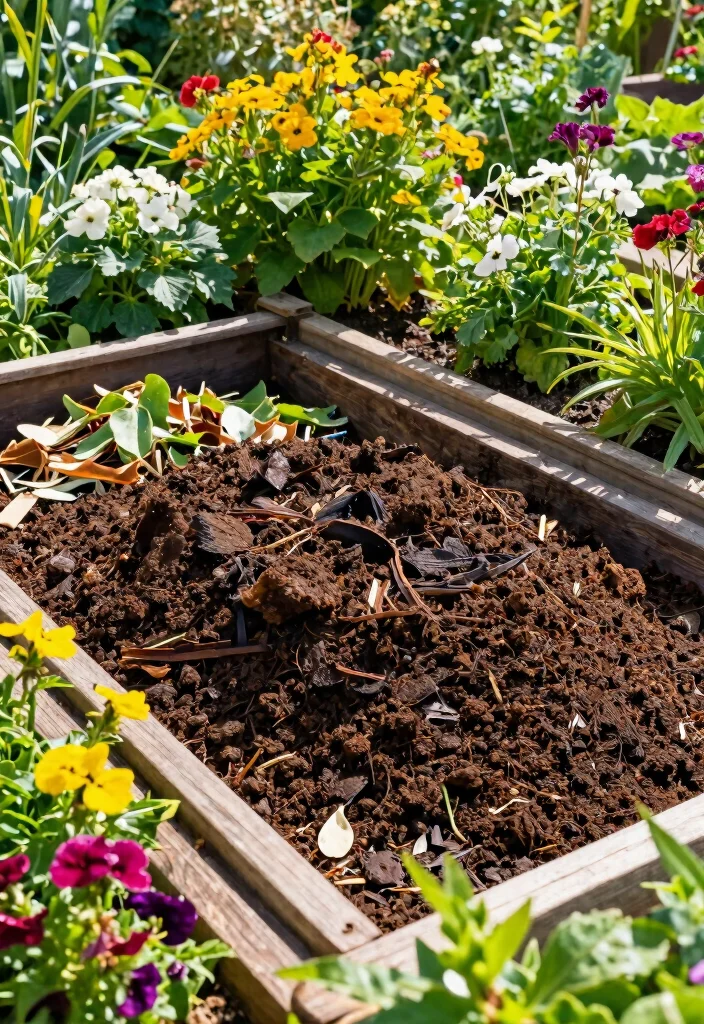
Composting is a brilliant way to manage pool waste while enriching your garden. You can compost organic materials such as leaves and plant clippings to create nutrient-rich soil.
Here’s how to effectively compost pool waste:
– Create a compost bin: Designate a specific area in your yard for a compost bin or pile.
– Layer your waste materials: Alternate layers of green materials like plant clippings with brown materials like dried leaves for optimal decomposition.
– Maintain moisture levels: Regularly check and turn the compost to aerate it.
By composting pool waste, you reduce landfill impact and create valuable resources for your garden, closing the loop between your pool and plants.
Fun fact: A greens-and-browns balance speeds composting by up to 2x, turning pool waste like leaves and clippings into rich garden soil in weeks. Start with a dedicated compost bin, layer greens over browns, and keep moisture steady.
12. Green Roofs Over Pool Houses
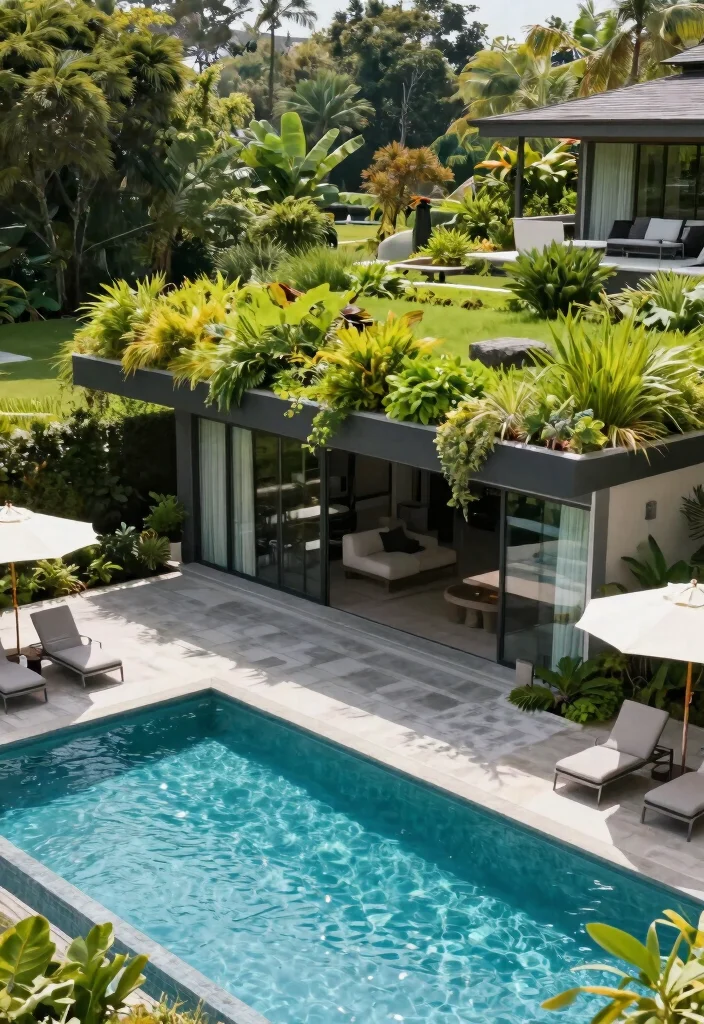
Enhance your outdoor aesthetic and promote sustainability with a green roof on your pool house. These roofs provide insulation, reduce heat retention, and can absorb rainwater effectively.
Here are important considerations for creating a green roof:
– Choose appropriate plants: Opt for low-maintenance, drought-resistant varieties suited to your climate.
– Ensure proper drainage: A well-designed drainage system is essential to prevent waterlogging and ensure plant health.
– Facilitate access points: Create easy access for maintenance and enjoyment of your green roof.
This beautiful addition not only enhances your outdoor living space but also supports local biodiversity and sustainability.
13. Outdoor Shower Spaces
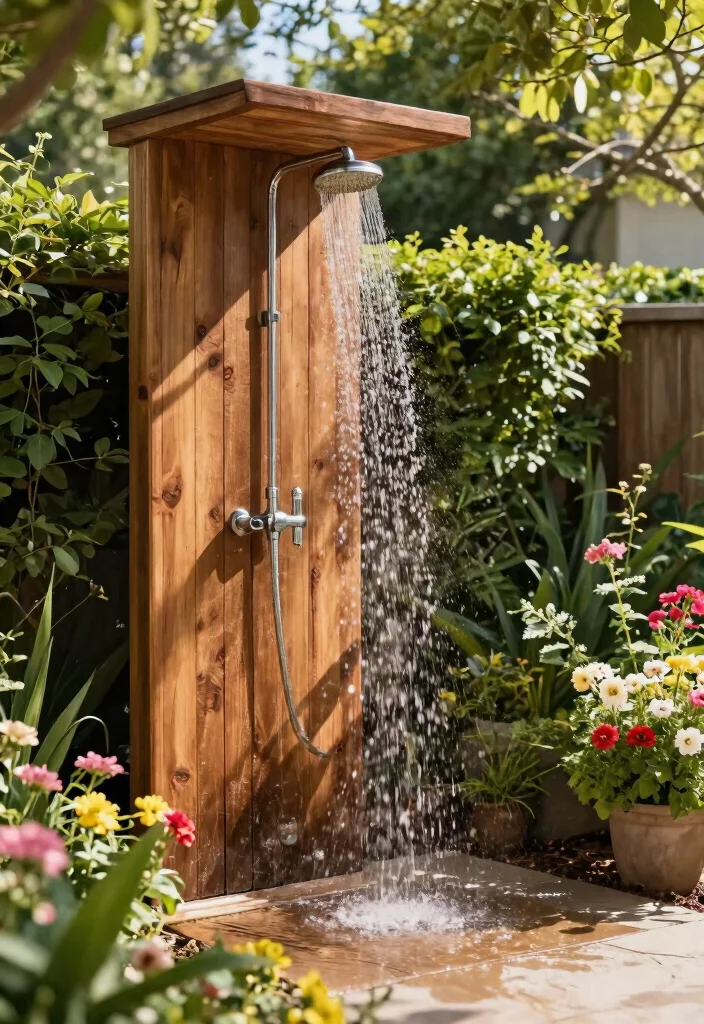
Designing an outdoor shower space elevates your pool experience while promoting water conservation. Stylish yet practical, outdoor showers provide a natural way to rinse off before diving in.
Here are some creative ideas for your outdoor shower design:
– Use natural materials: Wooden enclosures or stone walls blend seamlessly with your landscape.
– Install eco-friendly fixtures: Low-flow showerheads help reduce water usage effectively.
– Incorporate privacy features: Use plants or screens to create a cozy and private atmosphere.
An outdoor shower not only offers convenience but also enhances your backyard’s aesthetic, making it a delightful spot for relaxation and refreshment.
Conclusion
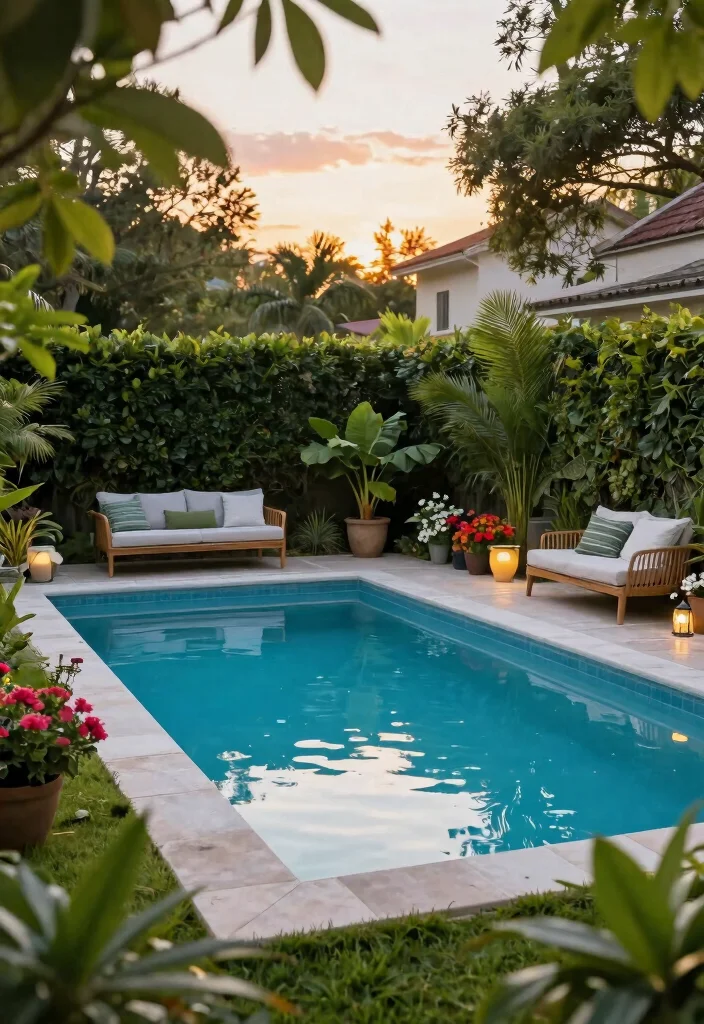
Creating a sustainable and beautiful backyard with eco-friendly pool filter ideas significantly enhances both the environment and your lifestyle.
From natural swimming pools to smart technology, each upgrade promotes both relaxation and responsibility. Consider incorporating these ideas into your outdoor space, making it a peaceful sanctuary that aligns with your values. Explore how these enhancements can benefit not just your pool, but your entire backyard garden. Let’s embrace sustainability together!
Note: We aim to provide accurate product links, but some may occasionally expire or become unavailable. If this happens, please search directly on Amazon for the product or a suitable alternative.
This post contains Amazon affiliate links, meaning we may earn a small commission if you purchase through our links, at no extra cost to you.
Frequently Asked Questions
What are practical pool filter ideas for eco-friendly backyard upgrades?
Here are practical pool filter ideas for an eco-friendly backyard upgrade:
Install a high-efficiency, variable-speed pump paired with an energy-saving cartridge or multi-media filter to cut energy use and maintenance time.
Choose a cartridge filter if you want easy cleaning with low water waste, or a modern multi-media filter for longer filter cycles and better overall filtration.
Add a solar-powered pump controller or timer to run filtration during peak sun hours, reducing electricity costs.
Use a saltwater chlorine generator or mineral sanitizer to lower chemical demand, so your pool maintenance tips can focus on filtration performance rather than chemicals.
Adopt water-saving backwash practices: backwash only when the pressure rises and consider auto-backwash settings to conserve water.
Pair the system with simple landscaping choices that minimize debris, like keeping trees away from the pool and using a leaf trap near the skimmer.
When renovating, explore eco-friendly upgrades like rainwater top-ups for pool fill where allowed by code.
How can backyard landscaping and outdoor living spaces support eco-friendly pool filter solutions?
Design around native plants and smart layouts to keep debris out of the pool and reduce filter load.
Incorporate drought-tolerant plants and a rain garden to manage runoff, which helps your backyard landscaping stay clean and eco-friendly.
Use permeable paving and a screened equipment area to blend pool filtration into the landscape while keeping maintenance easy.
Place shade, seating, and outdoor living spaces to reduce evaporation and energy use, and keep filter access convenient for regular pool maintenance tips.
Hide bulky equipment with evergreen screens or lattice with climbers to maintain aesthetics without blocking airflow or filtration efficiency.
What pool maintenance tips maximize the efficiency of eco-friendly pool filters?
Keep chemistry balanced so the filter does its job without overworking. Maintain pH 7.4–7.6, alkalinity, calcium hardness; this helps filters trap contaminants more efficiently.
Clean skimmers and baskets regularly to prevent clogging and ensure smooth water flow.
Backwash or clean cartridge filters only as needed to save water; monitor filter pressure with a gauge and backwash when it rises.
Run the pump at the lowest effective speed and use a timer or smart controller to optimize runtime for your pool size.
Consider a saltwater or mineral system to reduce the chemical load, allowing your eco-friendly upgrades to focus on filtration performance.
Which garden design ideas pair with pool filter innovations to create a cohesive sustainable space?
Integrate garden design ideas that soften equipment areas and support outdoor living spaces:
Plant evergreen screens or tall grasses to hide the pool equipment without blocking airflow.
Create a rain garden or bioswale to capture runoff from the pool area and support eco-friendly upgrades.
Use native, water-wise plants around the pool to reduce debris and moisture demand.
Incorporate seating and pathways with permeable pavers that lead to the pool, keeping maintenance access clear for filter checks.
Choose garden design ideas that use durable, low-maintenance materials for the deck and planters, so the space remains inviting while easy to care for.
What eco-friendly upgrades should I choose to improve pool filtration and overall backyard ecosystems?
Start with a high-efficiency pump and a compatible cartridge or multi-media filter to maximize energy savings and water efficiency.
Look for Energy Star labeling, low-noise operation, and easy cartridge cleaning.
Consider solar or battery-powered controls to run filtration during sun hours and reduce grid demand.
Plan for easy maintenance and accessibility to filters, skimmers, and chemistry stations, so ongoing pool maintenance tips stay simple.
Add complementary eco-friendly upgrades like LED lighting, permeable decking, and rainwater capture for pool top-ups where allowed, creating a cohesive backyard ecosystem.




![21 Genius Garden Hose Storage Ideas [End the Clutter]](https://nestire.com/wp-content/uploads/2026/04/21-Genius-Garden-Hose-Storage-Ideas-End-the-Clutter-150x150.webp)
![15 Dreamy Canopy Tent Wedding Reception Ideas [Elegant]](https://nestire.com/wp-content/uploads/2026/04/15-Dreamy-Canopy-Tent-Wedding-Reception-Ideas-Elegant-150x150.webp)