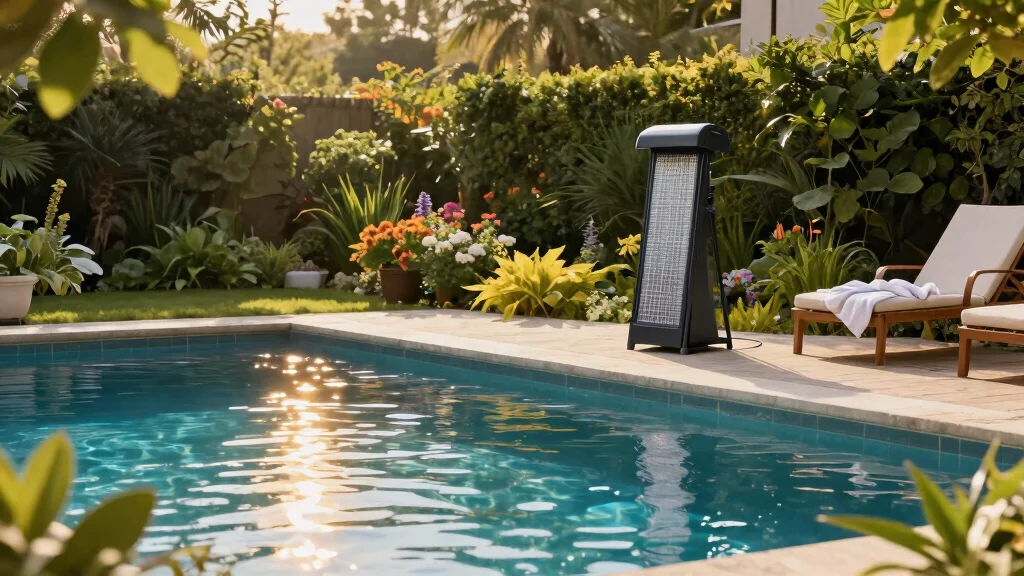
With summer around the corner, many of us find ourselves dreaming of sun-soaked days spent lounging by the pool. There’s nothing quite like the refreshing feeling of jumping into warm water on a hot day. That’s why I put together this guide on the 10 best pool heater options for fast water heating. If you’ve ever experienced the discomfort of chilly pool water, you’ll understand the importance of finding the right pool heating solutions to keep your swimming experience enjoyable.
This post is for anyone who loves spending time in their backyard pool, whether you’re a homeowner looking to upgrade your heating system or a new pool owner trying to figure out how to maximize your swimming time. You care about comfort, efficiency, and eco-friendliness. With so many choices available, it’s easy to feel overwhelmed. You want to know which options are the most energy-efficient, affordable, and effective in heating your pool quickly.
In this guide, you’ll discover a carefully curated list of the best pool heater choices, along with insightful comparisons of solar pool heater reviews, the advantages of gas pool heaters, and electric pool heater comparisons. You’ll walk away with a better understanding of what each option offers and how to select the right heater to meet your needs. Let’s dive in!
Key Takeaways
– Explore various pool heating solutions that suit different budgets and preferences.
– Learn about the benefits of solar pool heaters and why they are eco-friendly champions.
– Understand the advantages of gas pool heaters for instant warmth and fast heating.
– Compare electric pool heaters for their versatility and ease of use in different settings.
– Discover smart and traditional options like pool blankets and liquid solar covers that can enhance your heating efforts.
1. Solar Pool Heaters: Eco-Friendly Champions
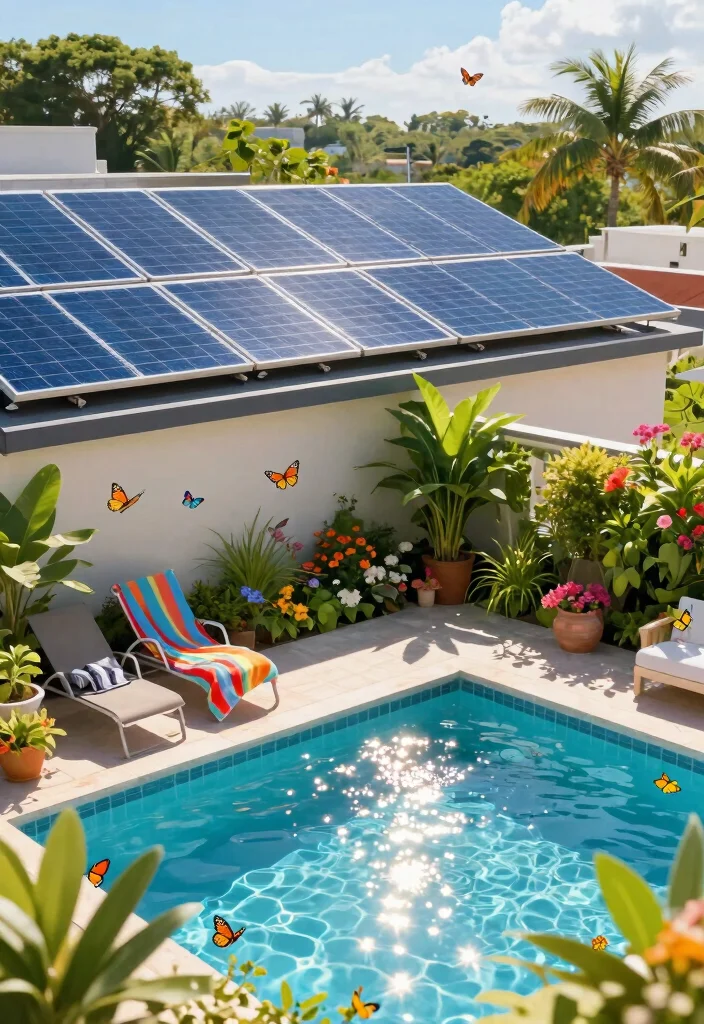
Solar pool heaters tap into the sun’s energy to warm your pool water, making them an appealing choice for environmentally conscious owners. These systems use solar panels to convert sunlight into heat, significantly lowering both your energy bills and carbon emissions. Although the initial setup might be pricier, the long-term savings and ecological benefits make it a wise investment.
These heaters are ideal for those who want to live sustainably, especially in sunny areas. Even in less sunny climates, you can still enjoy some benefits. To maximize their efficiency, consider these tips:
– Position solar panels on a south-facing roof for optimal sunlight.
– Clean the panels regularly to enhance performance.
– Use a solar cover at night to maintain heat.
Many users report that solar heaters can greatly extend their swimming season. Not only do they contribute to lower energy costs, but they also support a greener future.
2. Gas Pool Heaters: Instant Warmth
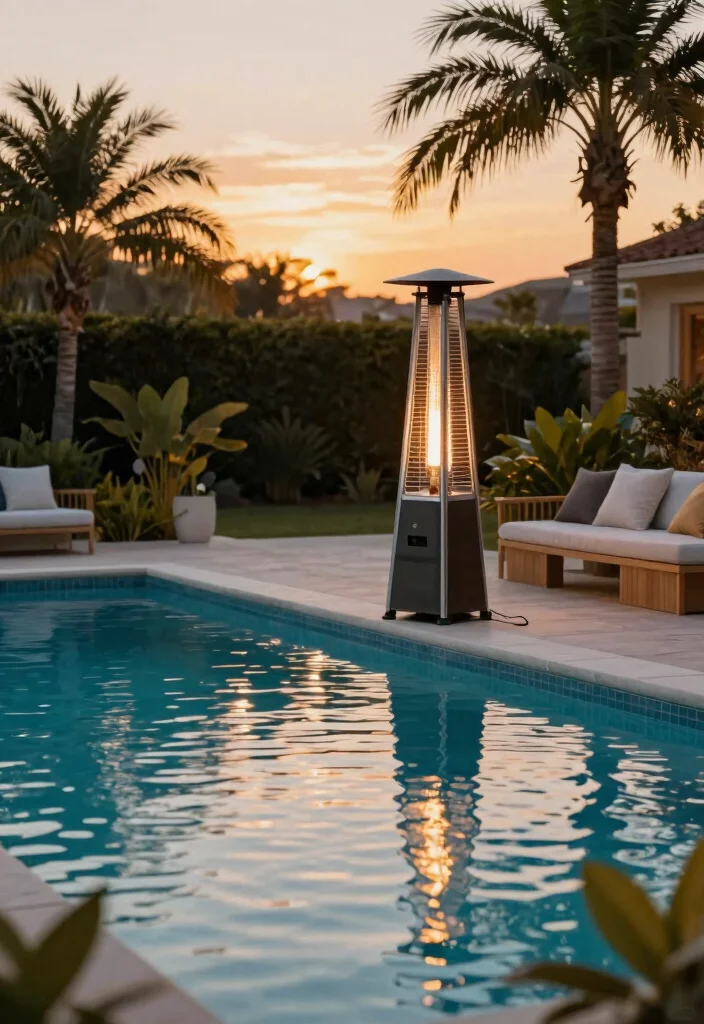
If you’re looking for quick heating solutions, gas pool heaters are your best bet. These systems can rapidly warm pool water, often achieving desired temperatures in just a few hours. This makes them perfect for spontaneous gatherings or cool evenings when a quick swim is on your mind.
Gas heaters run on natural gas or propane, ensuring consistent and reliable warmth regardless of weather. They’re particularly effective for year-round pool use. Here are some key benefits of gas heaters:
– Enjoy fast heating times for last-minute swims!
– Count on reliable performance even in colder temperatures.
– Heat both your pool and spa effortlessly.
Keep in mind the environmental aspect. While gas heaters provide convenience, they’re not the most eco-friendly option available. Opting for a high-efficiency model can help lessen environmental impacts, but consider your priorities carefully.
3. Electric Pool Heaters: Versatility at Its Best
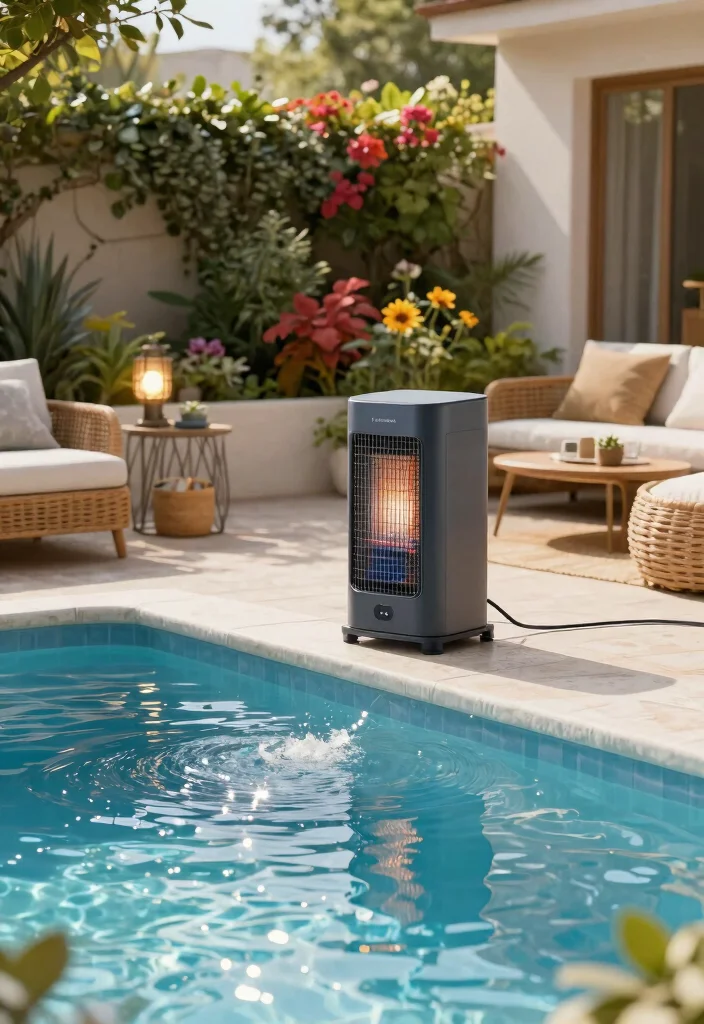
Electric pool heaters are popular for their versatility and ease of use. These units convert electricity into heat, which is then transferred to your pool water. Compared to gas heaters, electric models tend to be quieter and easier to install, making them a great option for smaller pools or spas.
The energy efficiency of electric heaters is a significant advantage. Although they may take longer to heat water than gas models, they are cost-effective for long-term use. Here are some points to consider:
– Ideal for smaller in-ground or above-ground pools.
– Generally easier to maintain with fewer moving parts.
– Provide consistent temperature control.
When choosing an electric heater, prioritize energy-efficient models with high ratings to save money and reduce emissions.
4. Heat Pumps: The Eco-Friendly Choice
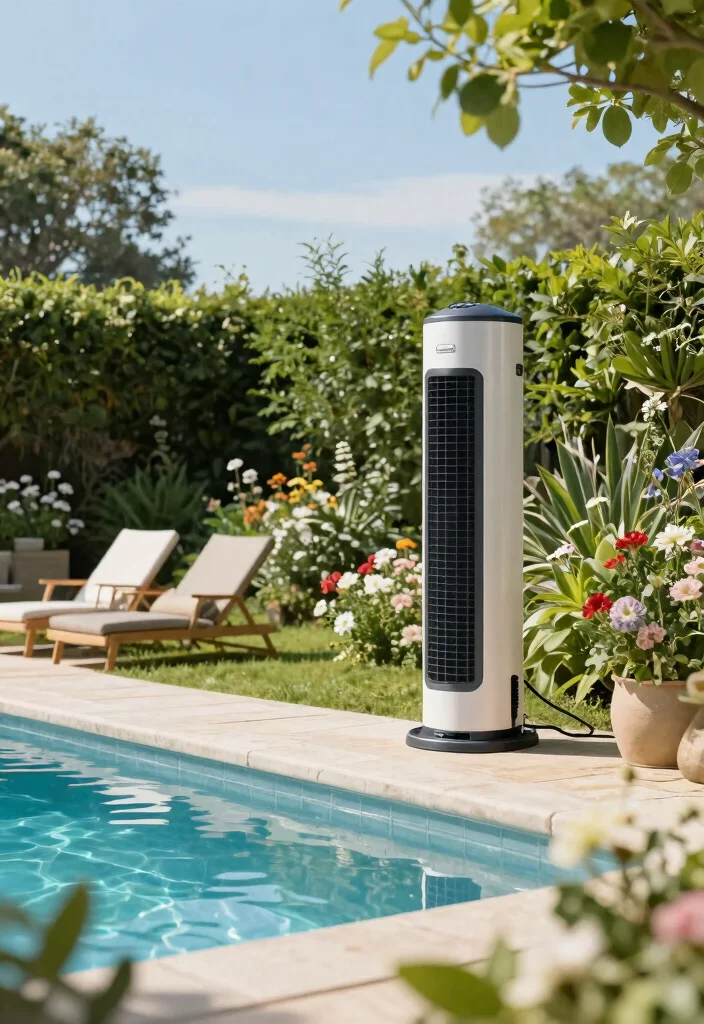
For those prioritizing environmental impact, heat pumps offer an outstanding option for efficient pool heating. These systems extract heat from the air, even in cooler temperatures, and transfer it to your pool water. Although they require a higher upfront investment, their lower operating costs make them a smart long-term choice.
Known for their durability, heat pumps can last many years with proper maintenance. Here are some reasons to consider them:
– Energy-efficient with lower operational costs than gas heaters.
– Environmentally friendly, utilizing renewable energy sources.
– Operate quietly, ideal for tranquil evenings by the pool.
While they may not heat as quickly as gas heaters, the long-term savings and eco-friendliness make heat pumps a favored choice for sustainability-minded homeowners.
Key Trade-offs & Our Top Pick
Option Comparison
1. Solar Pool Heaters
– Pros:
– Eco-friendly and sustainable energy source ☀️
– Low operating costs after initial investment
– Can raise water temperature by 15-20°F on sunny days
– Cons:
– Performance highly depends on weather conditions 🌦️
– Higher upfront costs compared to gas heaters
– Requires sufficient roof space for installation
– Best for: Homeowners looking to minimize their carbon footprint while enjoying warm pool water.
2. Gas Pool Heaters
– Pros:
– Heats water quickly, providing instant warmth ⏱️
– Works well in cooler climates
– Often requires less maintenance than electric options
– Cons:
– Higher operational costs due to gas prices 💸
– Less eco-friendly due to fossil fuel use
– Requires a gas line installation which can be costly
– Best for: Pool owners wanting rapid heating, especially in colder months.
3. Electric Pool Heaters
– Pros:
– Easy to install and maintain ⚡
– More affordable initial cost compared to gas heaters
– Can be used in any weather condition
– Cons:
– Higher energy bills in comparison to gas or solar options 📈
– Slower heating time
– Limited heating capacity for larger pools
– Best for: Those who prioritize ease of use and have smaller pools or warmer climates.
4. Heat Pumps
– Pros:
– Efficient energy use; less electricity needed for heating 🌱
– Long lifespan and durable
– Can also cool your pool in summer months
– Cons:
– Higher upfront costs 💰
– Slower heating than gas options
– Requires ambient air temperature to be above 50°F for optimal performance
– Best for: Eco-conscious users seeking an efficient long-term solution.
5. Liquid Solar Covers
– Pros:
– Simple to use and store
– Low-cost alternative to traditional covers
– Can reduce heat loss significantly overnight 🌙
– Cons:
– Not as effective in very cold weather
– Requires diligent application for effectiveness
– May not heat water significantly on its own
– Best for: Budget-friendly users looking to retain heat without a significant investment.
Expert Recommendation:
Best Overall: Solar Pool Heaters
Solar pool heaters are a fantastic choice for most pool owners. They provide an eco-friendly solution that significantly reduces energy costs after installation. While the initial price may be higher, the long-term savings and reduced environmental impact make them a wise investment. Additionally, they can efficiently heat your pool when the sun shines, allowing for extended swimming seasons.
Why We Picked This:
We understand that not everyone has the same needs. If you seek instant heat and live in a cooler climate, a gas pool heater might be your best bet. Electric heaters offer a great alternative for smaller pools or warmer areas, while heat pumps balance efficiency and versatility. Liquid solar covers, while simple, may be ideal for casual users or those on a budget. Each option has its benefits; it’s all about what works best for your situation!
5. Liquid Solar Covers: Simple Yet Effective

If you’re searching for a budget-friendly way to keep your pool warm, liquid solar covers could be your answer. These innovative solutions create a thin layer on the water’s surface, reducing evaporation and retaining heat. It’s a hassle-free option for those who prefer not to deal with traditional covers.
Despite being less visible than other covers, liquid solar covers offer impressive benefits:
– Easy to apply: Simply pour it in!
– Compatible with any pool size or type.
– Reduce evaporation by up to 85%, conserving water.
Using liquid solar covers helps maintain warmth while promoting water conservation, making it an intelligent choice for eco-friendly pool owners.
6. Pool Blankets: Traditional but Effective
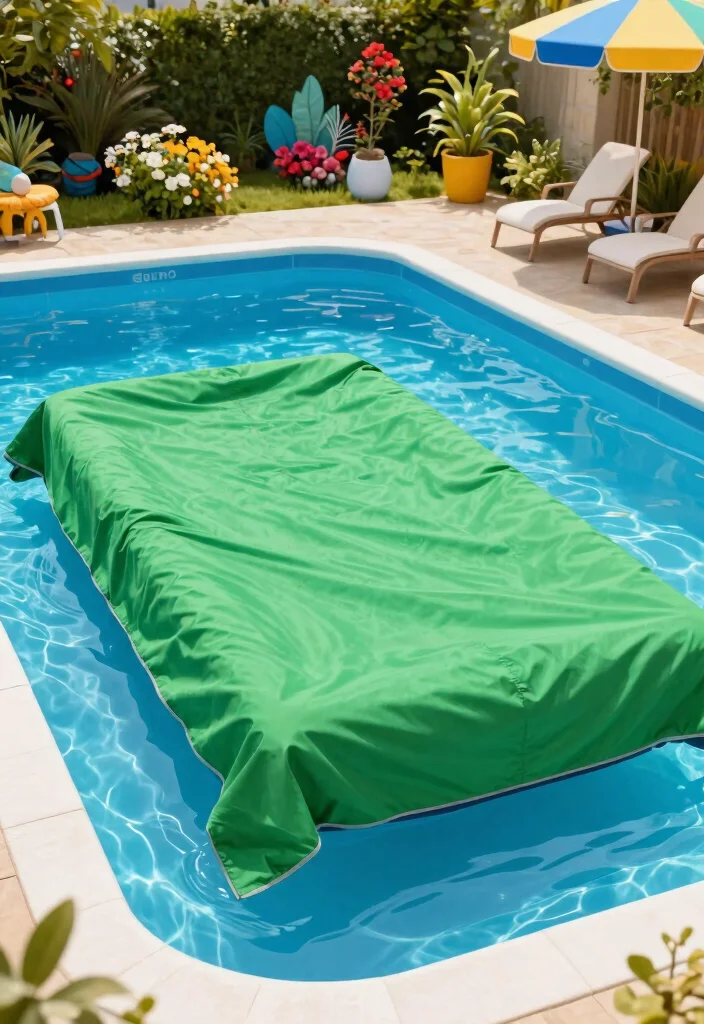
Don’t overlook the effectiveness of classic pool blankets. These covers are excellent for retaining heat and keeping debris out of your pool, improving water quality. While they may not boast modern technology, pool blankets can significantly extend your swimming season.
Benefits of using a pool blanket include:
– Reduce nighttime heat loss by up to 90%.
– Prevent evaporation, which is beneficial for your garden.
– Easily use roller systems for simple covering and uncovering.
Available in various sizes and materials, you can find a pool blanket that suits your needs and style while keeping your pool clean and ready for a swim whenever you desire.
Fun fact: a traditional pool blanket can slash nighttime heat loss by up to 90% and curb evaporation. This simple layer boosts water quality and extends your swimming season, all while supporting eco-friendly garden living.
7. Smart Pool Heaters: Technology Meets Convenience
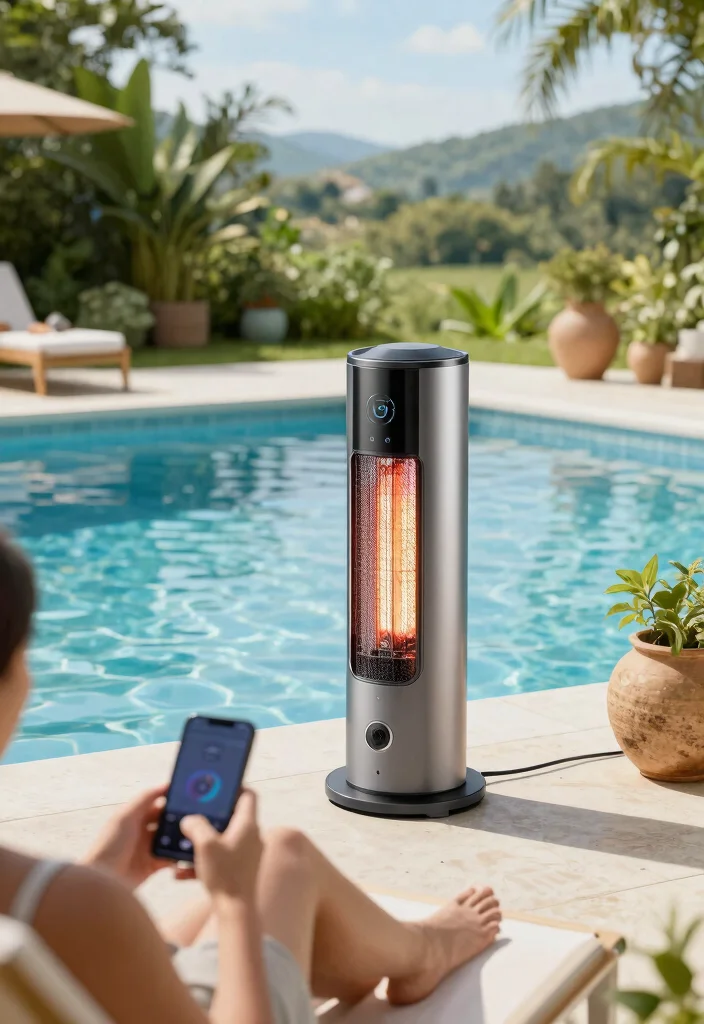
Smart pool heaters blend cutting-edge technology with effective heating solutions, allowing you to manage your pool’s temperature via your smartphone. This feature is perfect for tech-savvy pool owners who value convenience.
With smart heaters, you can:
– Schedule heating based on your routine.
– Track energy usage and adjust settings for efficiency.
– Receive system performance alerts directly to your phone.
While smart technology may come with higher initial costs, the convenience and energy savings can be worthwhile over time. Enjoy the comfort of controlling your pool’s heating with just a few taps, whether you’re relaxing at home or away!
8. Electric Resistance Heaters: The Reliable Choice

For a straightforward and dependable heating solution, electric resistance heaters are a reliable choice. These systems use electrical energy to directly warm the water, making them best suited for smaller pools or spas where efficiency shines without high energy bills.
Notable features include:
– Quick heating response time for spontaneous swims.
– No gas lines required, simplifying installation.
– Compact designs suitable for various pool types.
While they may not be as effective for larger pools, electric resistance heaters are favored for their user-friendly operation and reliability, making them an excellent addition for homeowners seeking simple heating solutions.
Did you know electric resistance heaters convert nearly 100% of electricity into heat, with no gas lines to install? For smaller pools, that means fast, reliable warmth without high energy bills—it’s one of the best pool heater options for quick comfort!
9. In-Floor Heating Systems: Luxurious Warmth
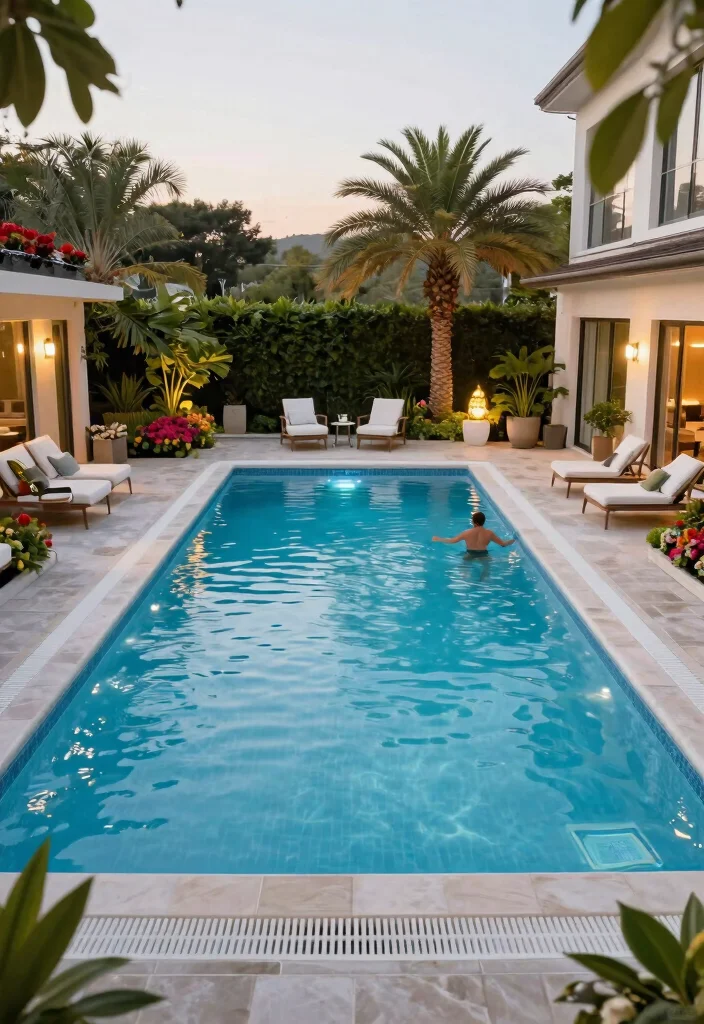
If you’re aiming for a luxurious pool experience, consider in-floor heating systems. These setups install heating elements beneath the pool floor, distributing warmth evenly throughout the water. Although this method is among the pricier options, the benefits often justify the costs.
Advantages of in-floor heating include:
– Even heating, eliminating cold spots in your pool.
– Lower operational costs compared to traditional heaters.
– Enhanced comfort for swimmers, improving overall enjoyment.
With minimal maintenance and a long life span, in-floor heating systems are a worthwhile investment for those who desire maximum comfort in their backyard oasis.
Fun fact: In-floor heating can deliver evenly warm water, eliminating cold spots. Many owners see payback in 3-5 years thanks to lower operating costs, making in-floor systems a smart, luxury option among the best pool heater options.
10. Combination Systems: The Best of Both Worlds
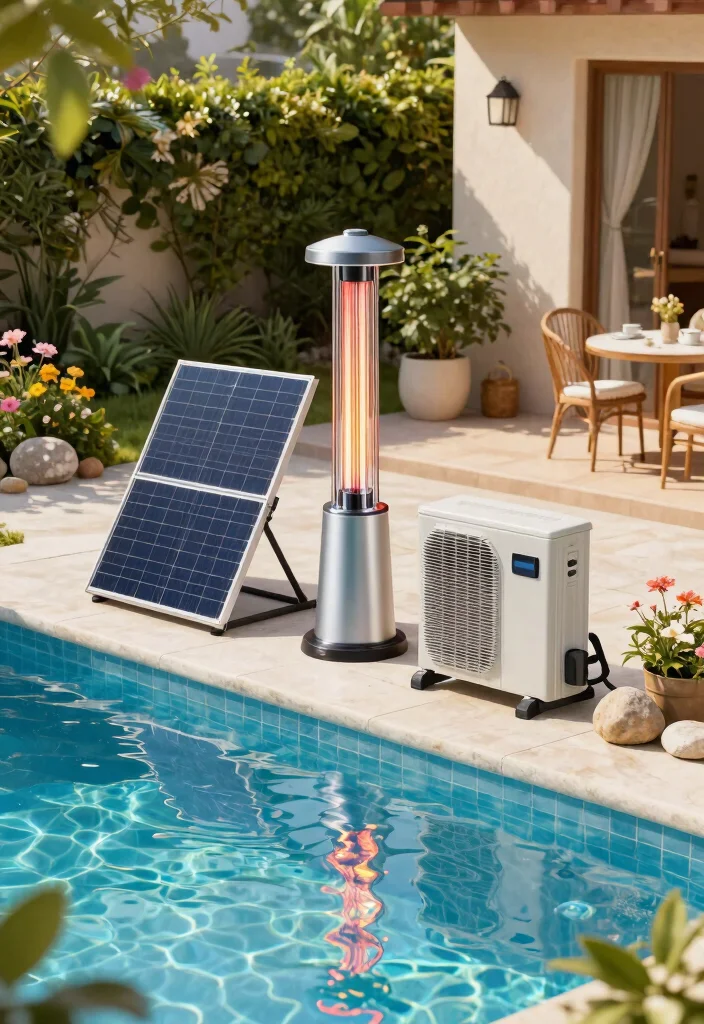
For ultimate flexibility, combination heating systems provide the best of both worlds. These setups merge different heating methods—like solar and electric—to optimize efficiency and performance. This allows you to reap the benefits of various technologies while keeping energy costs low.
Combination systems enable:
– Flexible operation: Use solar during the day and switch to electric for night swims.
– Increased efficiency by prioritizing renewable energy sources.
– Year-round access to warm water, ensuring enjoyable swims anytime.
This option is ideal for dedicated gardeners who want to maximize their pool’s efficiency while minimizing their carbon footprint. With a combination system, comfort and sustainability truly go hand in hand.
Conclusion: Choosing the Right Pool Heater

Selecting the right pool heater can transform your swimming experience from chilly to delightful. As you explore the best pool heater options, consider your unique needs, budget, and environmental commitment. Whether you opt for solar solutions, gas heaters, or the innovative technologies of smart systems, the right choice can enhance both comfort and sustainability.
Embrace the summer with a warm pool ready for your enjoyment and make a positive impact on the environment at the same time.
Note: We aim to provide accurate product links, but some may occasionally expire or become unavailable. If this happens, please search directly on Amazon for the product or a suitable alternative.
This post contains Amazon affiliate links, meaning we may earn a small commission if you purchase through our links, at no extra cost to you.
Frequently Asked Questions
What are the best pool heater options for an eco-friendly backyard?
Choosing eco-friendly pool heating starts with the best pool heater options, focusing on solar pool heater options, energy-efficient heat pumps, and energy-efficient electric models. To pick the right one for your garden, assess your climate, pool size, and sun exposure, then estimate BTU needs and ongoing operating costs. Solar pool heater options are often the cheapest to run, while heat pumps excel in milder climates with steady sun. In the article, we review 10 options with real-world performance and clear pros and cons to help you decide quickly.
Practical tips: measure your pool’s surface area, maximize solar gain with proper orientation, insulate pipes, and choose a unit with a solid warranty and durable components.
How do energy-efficient pool heaters compare in terms of cost, efficiency, and maintenance?
To compare energy-efficient pool heaters, start with upfront cost versus long-term savings, then check efficiency metrics like COP (coefficient of performance) for heat pumps and solar performance for solar models. Electric pool heaters are typically lower maintenance but can have higher operating costs, while gas pool heaters offer rapid heating but higher fuel costs and emissions. The article’s electric pool heater comparisons section walks you through side-by-side specs, so you can pick the most energy-efficient pool heaters for your climate.
Tips: calculate seasonal energy cost, review warranties, and consider climate and sun exposure to choose a model that balances speed and efficiency.
What are the advantages of solar pool heaters compared to other pool heating solutions?
Solar pool heaters have the advantage of free energy after installation, especially in sunny gardens. They’re quiet, low-maintenance, and scalable from roof-mounted panels to ground systems. Yet performance hinges on sun exposure and climate. Our solar pool heater reviews in the article show typical payback timelines, installation considerations, and real-world results. To maximize efficiency, pair solar with a pool cover, optimize collector surface area, and consider a hybrid setup that uses a backup heater on cloudy days.
Practical steps: calculate collector area relative to pool size, ensure proper tilt and orientation, and verify compatibility with your plumbing.
When should you consider a gas pool heater and what are its advantages?
Gas pool heaters are excellent for fast heating, larger pools, or when you have limited sun. They heat quickly, work in cold weather, and require minimal space for solar collectors. Drawbacks include higher operating costs and emissions, so they’re often best as a backup or in hybrid systems with solar or heat pumps. In the article, we cover gas pool heater advantages and show how to size and pair them with eco-friendly options to keep running costs in check.
Tips: ensure proper venting, select the right BTU rating for your pool, and compare with energy-efficient pool heaters to avoid overspending.
How can you compare electric pool heaters to find the best option for fast water heating?
Electric pool heaters are a straightforward choice for fast water heating and simple installation. When doing electric pool heater comparisons, focus on BTU sizing, element type, efficiency, installation costs, and warranty. For rapid heat-up, match the heater to your pool volume and consider a backup solar or heat pump for energy savings. The article’s list of best pool heater options highlights units that heat quickly but differ in operating cost and climate suitability.
Practical steps: calculate required BTUs, compare COP and efficiency ratings, evaluate payback periods, and read solar pool heater reviews for hybrid setups.




![21 Genius Garden Hose Storage Ideas [End the Clutter]](https://nestire.com/wp-content/uploads/2026/04/21-Genius-Garden-Hose-Storage-Ideas-End-the-Clutter-150x150.webp)
![15 Dreamy Canopy Tent Wedding Reception Ideas [Elegant]](https://nestire.com/wp-content/uploads/2026/04/15-Dreamy-Canopy-Tent-Wedding-Reception-Ideas-Elegant-150x150.webp)