
Creating a beautiful outdoor space has become a passion for many, especially as we seek ways to enjoy nature right at home. One of the best ways to enhance your patio is by adding some greenery, and that’s where deck planter boxes come into play. If you’ve been dreaming about turning your outdoor area into a vibrant garden oasis, you’re in for a treat. This post was crafted to inspire you with creative and practical DIY ideas that will transform your patio into a green getaway.
Whether you’re an experienced gardener or just starting out, this guide is perfect for anyone interested in outdoor planter designs. We know you want to maximize your space and elevate your patio’s aesthetic. That’s why I gathered 13 unique deck planter box ideas that are not only stylish but also functional. You’ll learn how to incorporate vertical planter boxes, tiered solutions, and even some clever upcycled materials to foster a thriving garden right on your deck.
By exploring these DIY planter box ideas, you’ll discover practical container gardening ideas that suit any style or space. Get ready to unleash your creativity and enjoy the fresh air as you cultivate your dream garden. Let’s dive into these innovative projects that promise to make your outdoor space more inviting and sustainable.
Key Takeaways
– Explore Various Designs: Discover 13 unique deck planter box ideas that cater to different styles and gardening needs, offering creativity to your outdoor space.
– Maximize Space: Learn how vertical planters can help you make the most out of limited areas, perfect for patios of any size.
– Sustainable Solutions: Get inspired by planter boxes made from recycled materials, promoting eco-friendly gardening practices.
– Functional Beauty: Find out how to create multi-functional planter tables that serve both as gardening solutions and outdoor furniture.
– Practical Tips: Gain insights and tips on container gardening that will help you succeed in growing a variety of plants and herbs on your deck.
1. Vertical Pallet Planter
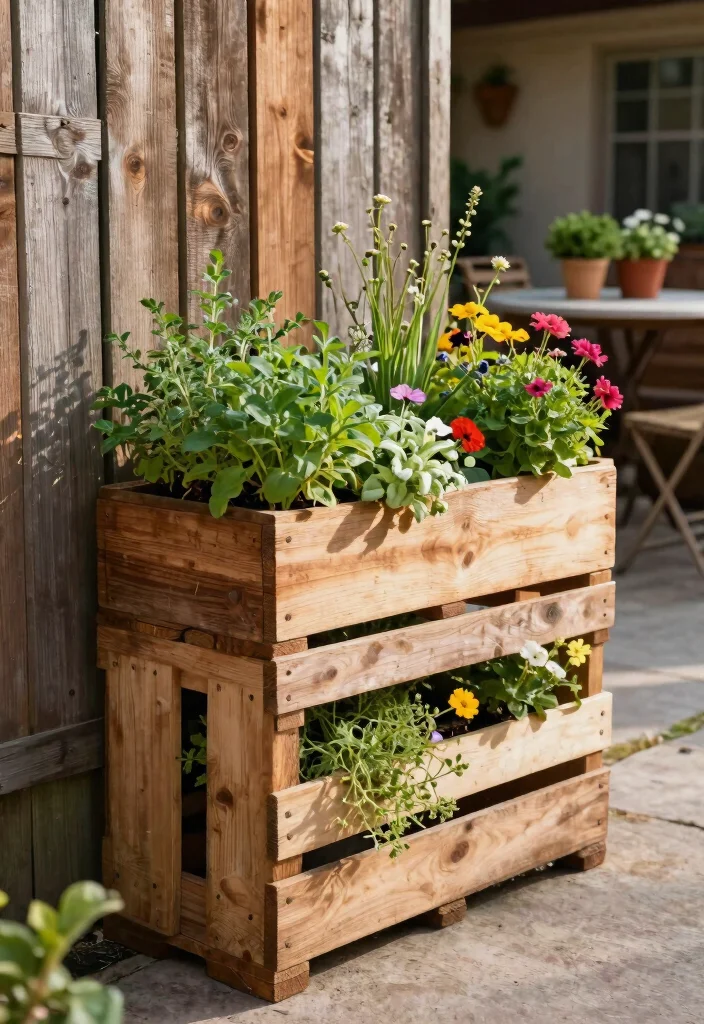
If you’re looking to maximize your space, a vertical pallet planter could be the perfect solution. Transforming an old wooden pallet into a vertical garden not only conserves ground space but also injects personality into your patio. Simply lean the pallet against a wall or fence, fill the slats with soil, and plant your choice of herbs, flowers, or vegetables for a lush display.
Embrace this budget-friendly project as a way to recycle materials creatively. Personalize it by painting the pallet in bright colors or opting for a rustic, natural finish. As your plants grow skyward, they create an inviting green backdrop that thrives in sunlight.
Here are some tips to get you started:
– Ensure the pallet is clean and untreated to prevent harmful chemicals from leaching.
– Choose plants of various heights for an eye-catching arrangement.
– Water regularly and use a liner inside the pallet for proper drainage.
This vertical planter not only beautifies your deck but also offers the convenience of fresh herbs just a step away.
2. Tiered Planter Box
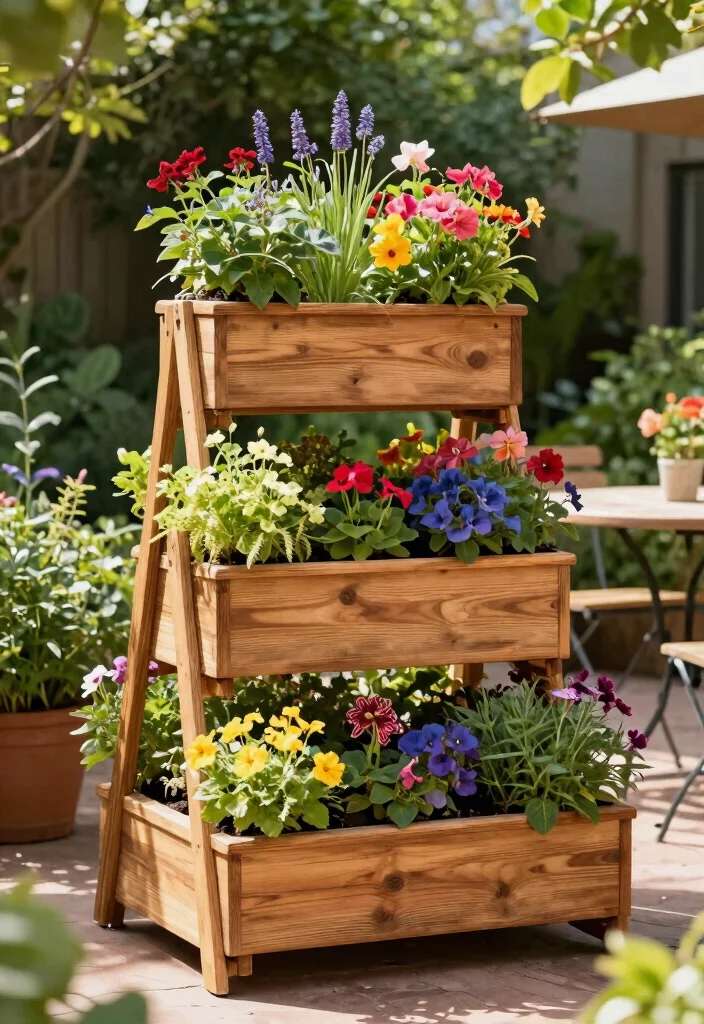
A tiered planter box provides a stunning visual display while making the most of your gardening area. With multiple levels, each tier can showcase different heights of plants, enhancing both beauty and accessibility for care. This design is ideal for herbs, small flowers, or even strawberries, allowing for a colorful variety.
Create this by stacking rectangular boxes or building a custom structure with angled shelves. Each tier can host unique plants, resulting in a diverse array of colors and textures that will brighten your space.
Consider these ideas for your tiered planter:
– Use weather-resistant wood or treat it for durability against the elements.
– Ensure proper drainage to prevent water buildup in lower tiers.
– Think about adding a drip irrigation system for effortless upkeep.
This tiered option enhances your garden’s visual appeal while saving space, making it easier to experiment with different plant varieties at varying heights.
3. Hanging Planter Boxes
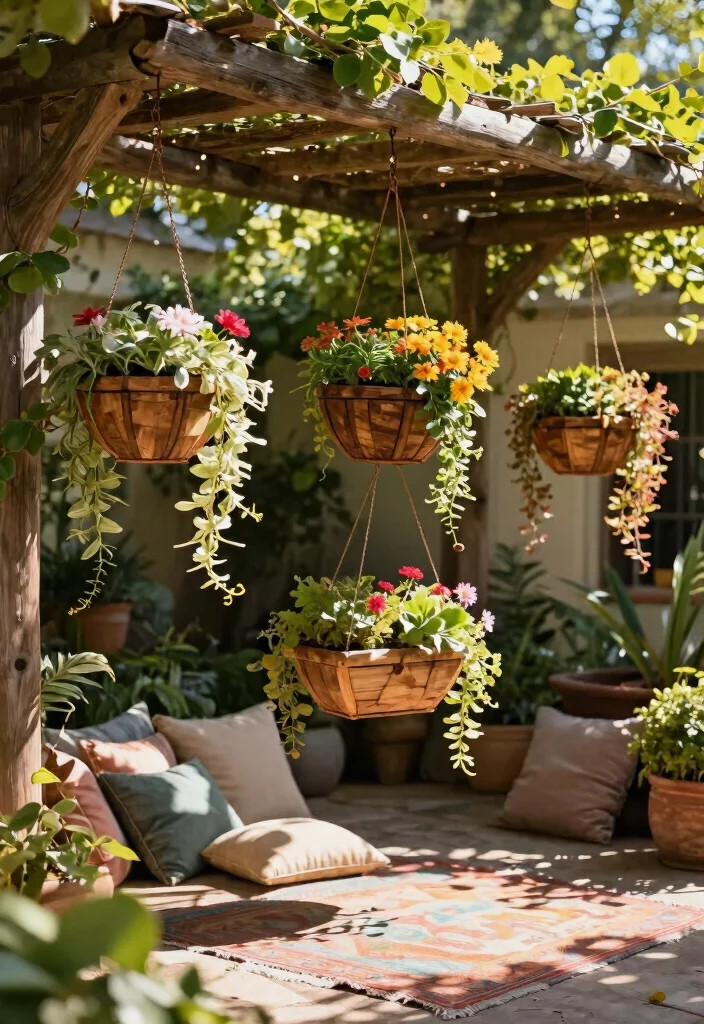
Elevate your outdoor space with hanging planter boxes. These planters not only save valuable ground space but also introduce a charming vertical element to your patio. Suspend them from ceilings, pergolas, or beams to bring greenery to eye level.
Craft these planters from wooden boxes, tin cans, or repurposed crates, filling them with trailing plants like ivy, petunias, or succulents for a captivating cascade. The upward eye movement created by hanging planters can make your area feel more spacious and dynamic.
Here are some tips to keep in mind:
– Ensure secure fastening to support the weight of soil and plants.
– Select plants that thrive in your patio’s light conditions.
– Mix different plant types for a diverse display of textures and colors.
These hanging planters can create a whimsical vibe, turning your deck into a delightful garden oasis.
Difficulty Rating & Requirements
Overall Difficulty Rating: Medium
Creating DIY deck planter boxes offers a satisfying challenge. While many designs are accessible, certain projects may require a bit of carpentry skill. This is suitable for those with some DIY experience or a strong willingness to learn.
Time Estimate: ⏱ Estimated time: 4-10 hours
– Planning and gathering materials: 1-2 hours
– Construction of the planter box: 2-6 hours (depending on complexity)
– Finishing touches (painting, sealing): 1-2 hours
Skill Requirements:
– Required skills: Basic woodworking, measuring, and potentially some painting or staining.
– Beginner-friendly: Yes, with caveats. Beginners can tackle simpler designs like pallet planters or window boxes. More complex projects, like tiered or built-in planters, may require prior woodworking experience.
– Skills that can be learned: Basic measuring and cutting can easily be learned through online tutorials. More advanced skills, like joinery, may require practice and guidance.
Tools & Materials Needed: 🧰 Essential items checklist
– Measuring tape (required)
– Saw (hand saw or circular saw, required)
– Drill (required)
– Wood screws (required)
– Sandpaper (optional for a smoother finish)
– Outdoor wood sealant or paint (optional, but recommended)
– Planter liners or landscape fabric (optional, for easier planting)
– Safety glasses (required for protection)
Step-by-Step Overview:
1. Planning and Designing (1-2 hours): Sketch your planter box design. Decide on dimensions and materials based on available space on your deck.
2. Gathering Materials (1 hour): Purchase wood, screws, and any additional materials. Ensure you have all necessary tools ready.
3. Building the Planter Box (2-6 hours): Cut the wood to size, then assemble the pieces using screws. Make sure to follow your design plan carefully.
4. Finishing Touches (1-2 hours): Sand any rough edges and apply a protective finish. If you’re using landscaping fabric, install it along the interior to retain soil.
Professional vs DIY:
For professional installation, you might spend anywhere from $150 to $500, depending on the size and materials used. A DIY planter box can cost between $30 to $100 for materials, making it a budget-friendly option. If you enjoy crafting and want to personalize your outdoor space, DIY is rewarding. However, if you’re short on time or unsure about your skills, hiring a professional could be the better choice.
4. Recycled Materials Planter Box
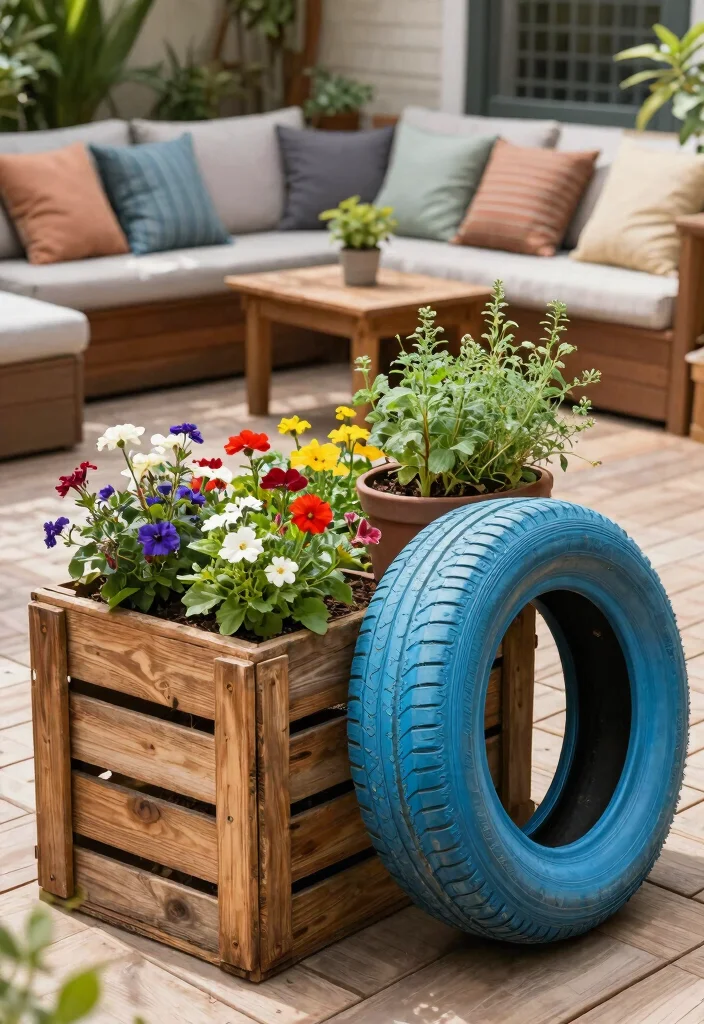
Utilizing recycled materials not only saves you money but also supports sustainable gardening practices. Old wooden crates, tires, or cans can be transformed into unique and eco-friendly planter boxes for your deck. Embrace the character that reclaimed materials bring, resulting in a garden feature with a story.
This DIY project allows for creativity in design—paint or stencil for a personal touch or embrace the weathered look for rustic charm. Each box has its own character that new materials can’t replicate.
Here’s how to get started:
– Thoroughly clean the materials to remove any dirt or chemicals.
– Drill drainage holes to prevent overwatering.
– Line the interior with landscape fabric to retain soil while allowing water to escape.
By repurposing materials, you contribute to a greener planet while creating eye-catching and functional decor for your patio.
5. Built-In Bench Planter
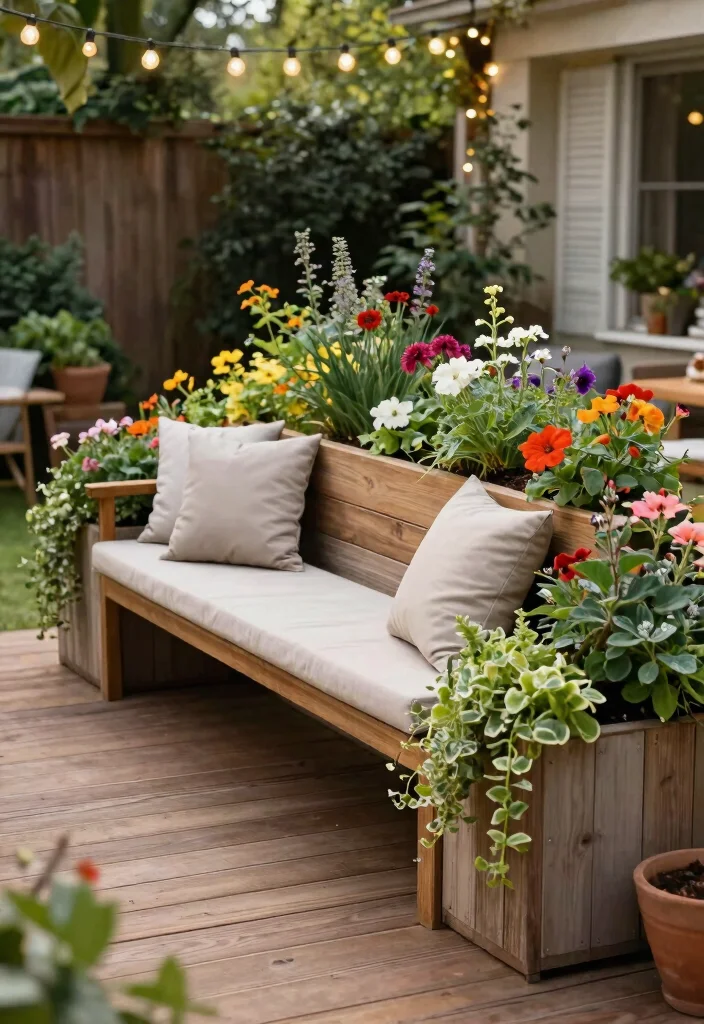
A built-in bench planter combines seating with gardening, making it an ideal choice for maximizing space while creating a welcoming atmosphere on your deck. By integrating planter boxes into the sides of a bench, you can enjoy easy access to your plants while providing comfortable seating for relaxation and entertaining.
Opt to plant colorful flowers, fragrant herbs, or even vegetables to enhance your outdoor experience. This design is perfect for social gatherings, merging functionality with beauty to create an inviting environment.
Keep these ideas in mind when building your bench planter:
– Use rot-resistant wood for durability.
– Add weather-proof cushions for comfort.
– Ensure the planters have adequate drainage to keep plants healthy.
This delightful blend creates a social space where guests can unwind, surrounded by the beauty of nature.
6. Stackable Planter Boxes
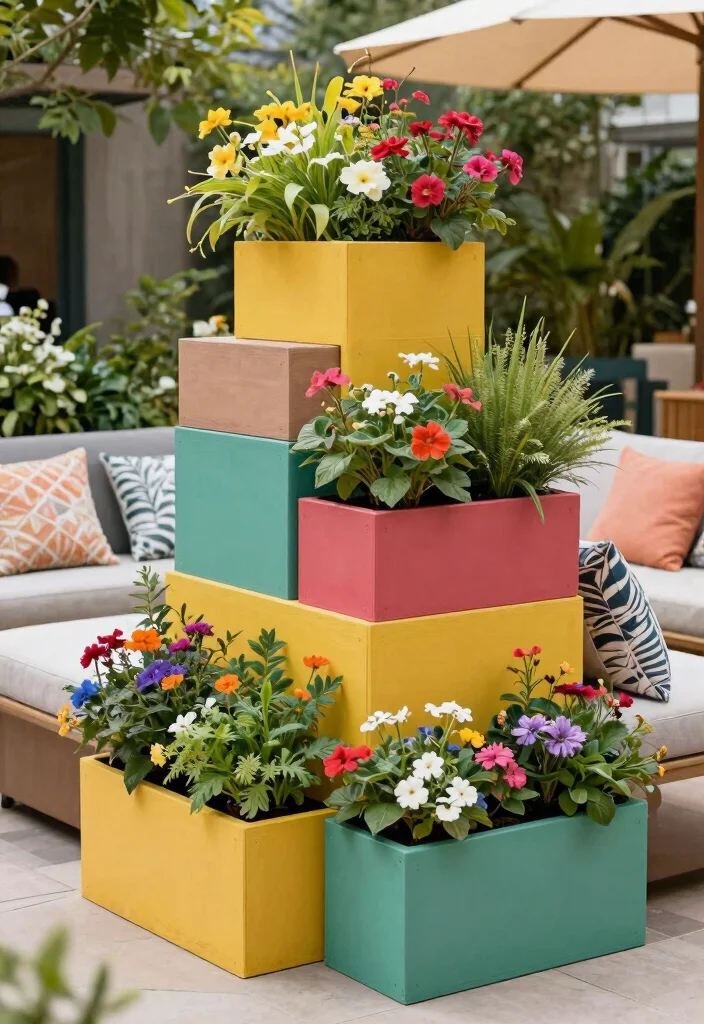
For an adaptable and creative approach, stackable planter boxes can invigorate your patio gardening. These planters can be arranged in various heights and configurations to perfectly suit your space, offering opportunities for imaginative designs.
Crafted from durable plastic or wood, these planters are easy to assemble and disassemble, making them perfect for seasonal changes in your garden. Stack them high for a striking effect or spread them out for a laid-back look.
Here’s how to use stackable planters effectively:
– Combine different plant types for a vibrant mix of colors and textures.
– Position in a sunny location to promote healthy growth.
– Rotate plants occasionally to keep them thriving and lively.
This versatile gardening solution allows you to showcase a variety of plants throughout the seasons while keeping your space fresh and engaging.
7. Corner Planter Boxes
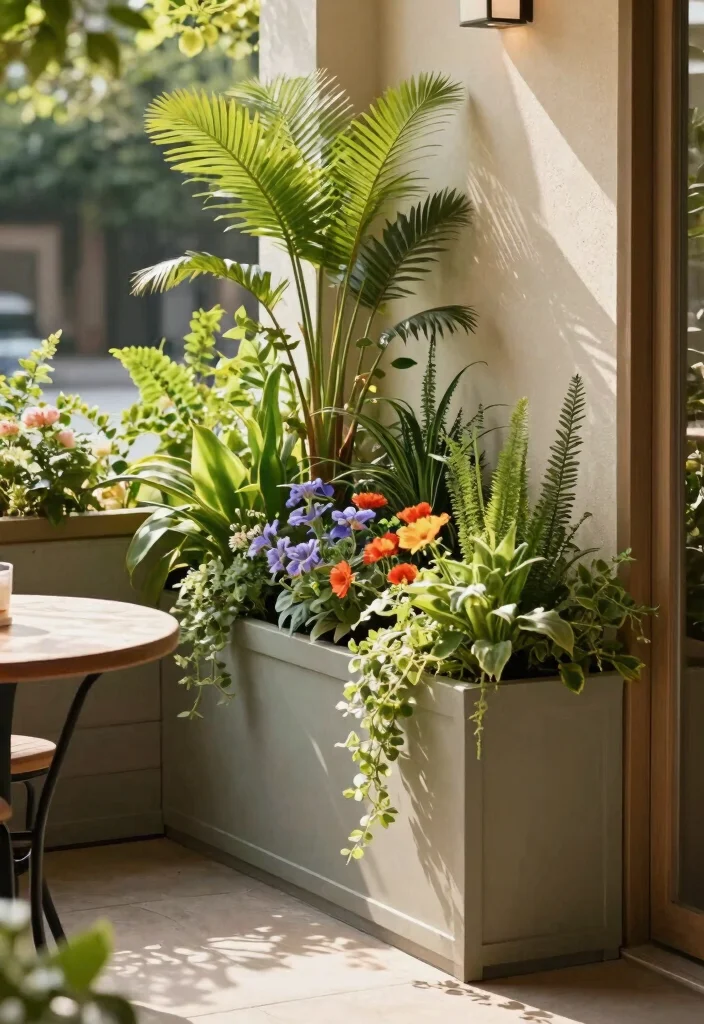
Transform neglected corners of your patio into lush green spots with corner planter boxes. These planters fit snugly into corners, making use of often-overlooked areas and adding depth and dimension to your outdoor design.
Design these planters to curve or fit the corner shape for a more organic appearance. Fill them with a mix of tall and trailing plants to create visual interest and draw the eye upward.
Here are some tips for corner planters:
– Select plants that thrive in partial sun or shade if the corner lacks direct light.
– Use structured plants to effectively frame the space.
– Add decorative mulch to retain soil moisture and reduce weeds.
This approach can dramatically enhance any dull corner, creating a vibrant area that beautifully complements the rest of your patio.
8. Window Box Planters
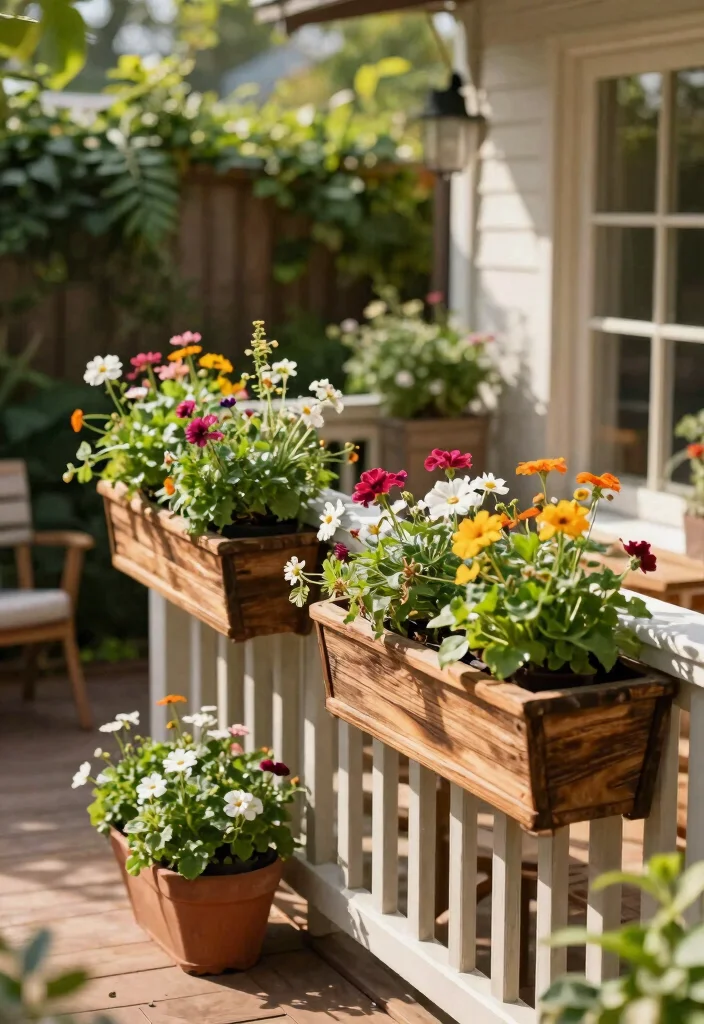
Window box planters are not just for windows; they can beautifully enhance any railing or ledge on your deck. These window box planters are perfect for elevating the aesthetic of your space while showcasing delightful blooms or fresh herbs.
Available in various materials like wood or metal, you can choose a style that aligns with your decor. Securely mount them on railings or ledges to cultivate flowers, herbs, or small vegetables without consuming valuable patio area.
To make the most of window box planters:
– Select plants that drape over the edges for a stunning effect.
– Ensure proper drainage by drilling holes in the bottom.
– Regularly check soil moisture, especially during warmer months.
These charming additions create a cohesive look for your deck while allowing for easy gardening right at your fingertips.
9. Rustic Barrel Planters
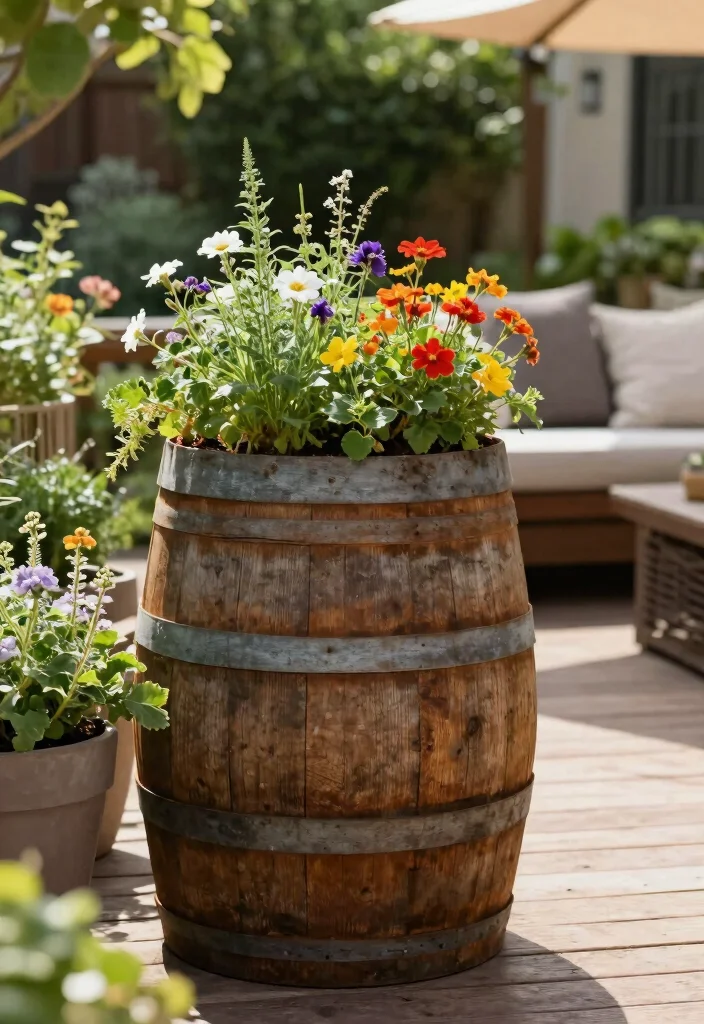
Rustic barrel planters bring a touch of countryside charm to your patio. These planters are ideal for crafting a unique, vintage feel while being functional. Using wooden barrels, you can create an attractive garden space to house various plants.
Cut the barrel in half or use it whole for a larger planting area. Fill it with soil and your favorites—think vibrant flowers or fragrant herbs. Over time, the natural wood will weather beautifully, enhancing the rustic aesthetic many love.
Consider these points for barrel planters:
– Drill drainage holes if using whole barrels to prevent water accumulation.
– Line the interior with landscape fabric to retain soil while allowing drainage.
– Group several barrels together for a more striking visual effect.
Utilizing rustic barrel planters provides a stunning focal point while adding charm and character to your patio space.
Rustic barrel planters bring countryside charm—cut the barrel in half or use it whole, fill with soil, and plant herbs or vibrant flowers. The weathered wood ages beautifully, giving your deck planter box ideas a timeless, farmhouse twist that’s easy to maintain and share.
10. Vertical PVC Planter Tower
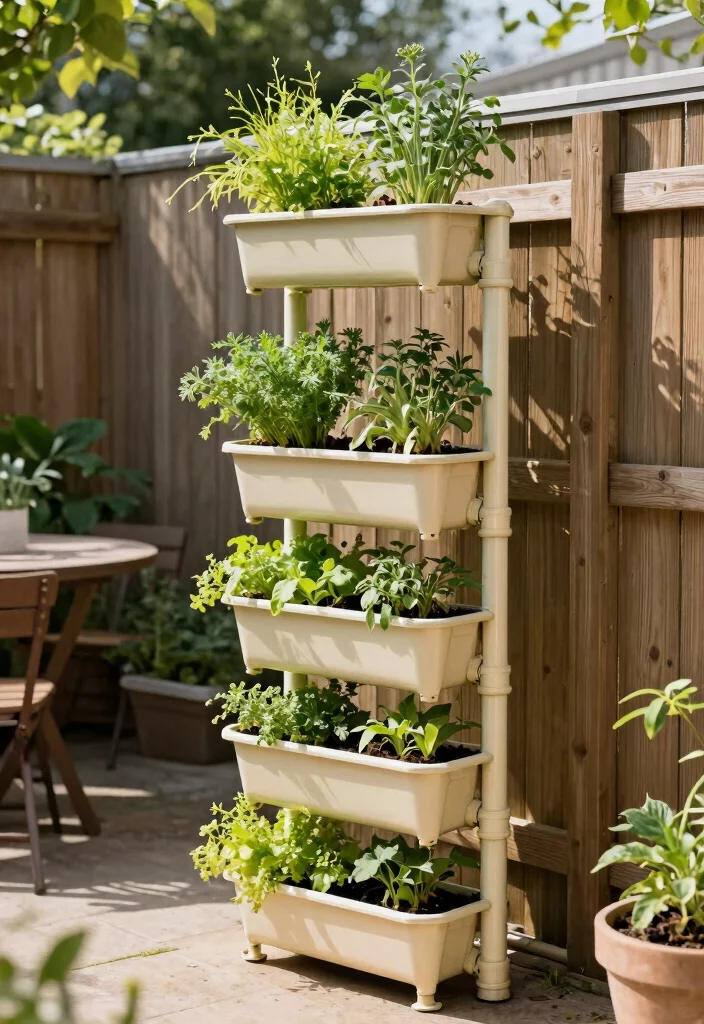
For those looking to garden creatively while conserving space, a PVC planter tower is a fantastic option. This innovative design uses PVC pipes to create a vertical gardening system. Simply cut the pipes, drill holes for your plants, and stack them to save space while cultivating various herbs or smaller vegetables.
This method is appealing for DIY enthusiasts who enjoy unique gardening solutions. The vertical setup not only maximizes your growing area but also introduces an interesting visual element to your patio.
Tips for creating a PVC planter tower:
– Ensure the pipe sections are securely connected to prevent falling.
– Use landscape fabric to line the holes, keeping soil in while allowing drainage.
– Place the tower in a sunny spot to boost plant growth.
This inventive setup encourages experimentation and is sure to be a conversation starter in your outdoor space.
11. Herb Spiral Planter
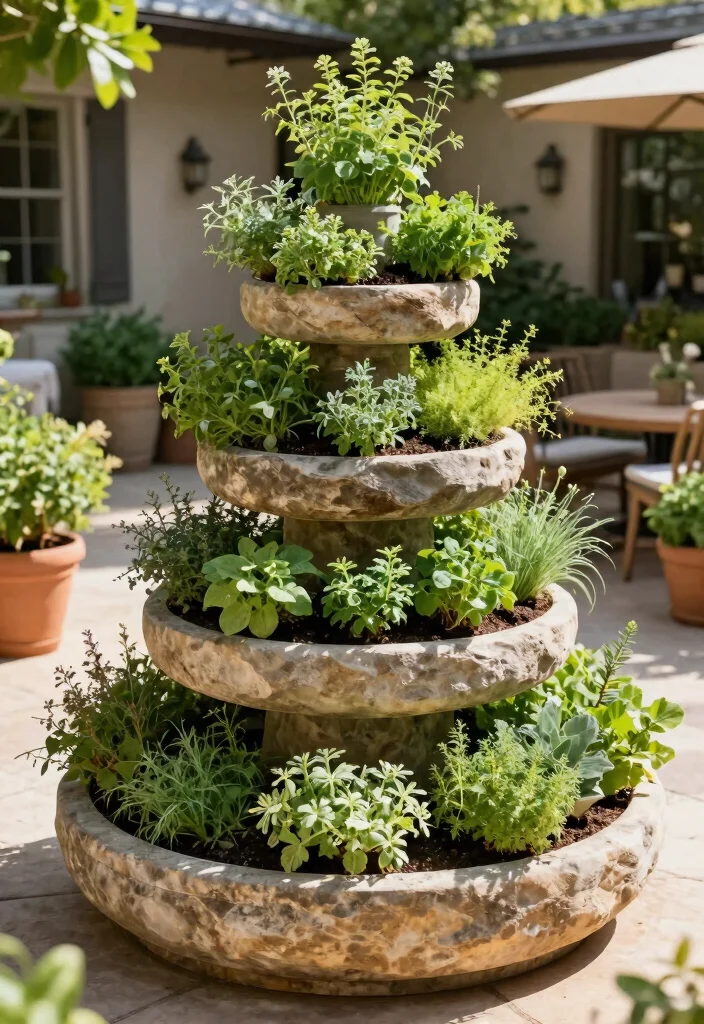
Discover the beauty of functional gardening with a herb spiral planter. This unique structure allows various herbs to thrive in their ideal conditions—taller plants at the top and trailing ones at the base. Building a herb spiral is not only an engaging project but also creates a stunning garden feature that promotes biodiversity.
Utilize stones or bricks to construct the spiral, forming different planting zones tailored to each herb’s needs. This design also saves space while providing an attractive focal point that can attract pollinators to your garden.
Here’s how to create a herb spiral:
– Choose a sunny location for optimal growth.
– Start with a flat base and gradually build up your spiral.
– Fill the planting pockets with soil and arrange your herbs accordingly.
This design enriches your gardening experience while creating an eye-catching feature that enhances your outdoor space.
12. Decorative Concrete Planters
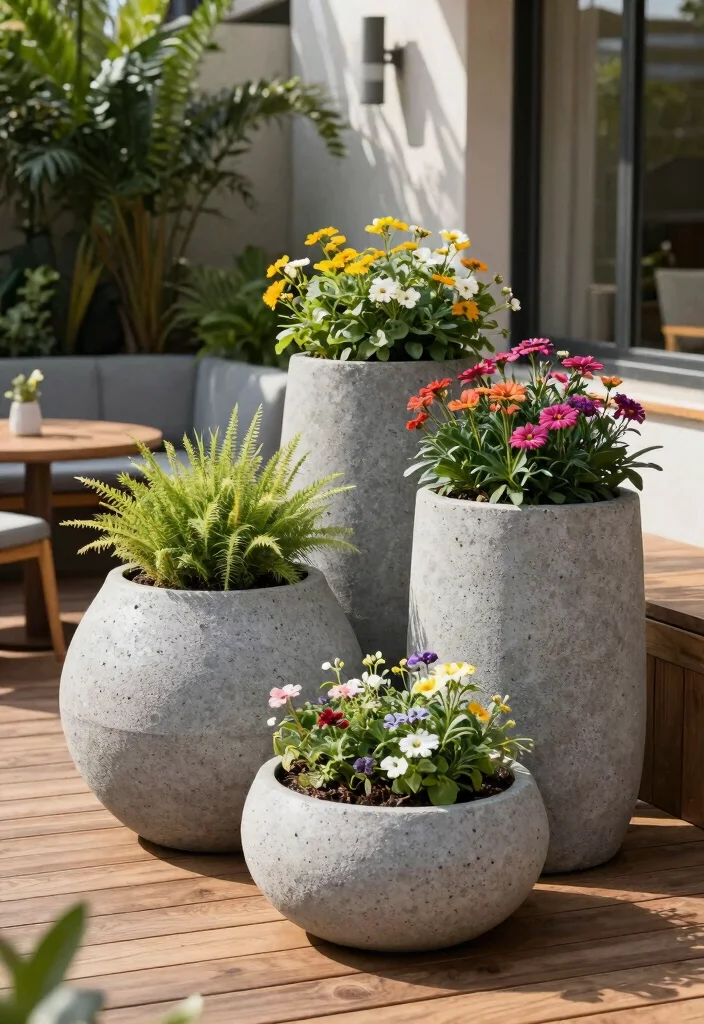
Decorative concrete planters are perfect for anyone seeking a modern and sleek design. These planters can be molded into various shapes and sizes, allowing for endless customization. The durability of concrete ensures these planters withstand the seasons beautifully.
You can mix concrete to create planters in different styles, whether minimalist or textured. Fill them with colorful flowers or lush greenery to contrast the gray material, resulting in a stunning visual display.
Keep these tips in mind for decorative concrete planters:
– Use molds or forms to craft unique shapes and designs.
– Drill drainage holes to prevent excess water accumulation.
– Paint or seal the concrete for added aesthetics and protection.
These planters not only add an artistic touch to your patio but also provide a sturdy and stylish home for your favorite plants.
❝Concrete planters bring a sleek, modern vibe to any deck planter box ideas. Pro tip: mold them into clean shapes, pair neutral gray with vibrant blooms, and swap in textured finishes for seasonal updates.❞
13. Multi-functional Planter Tables
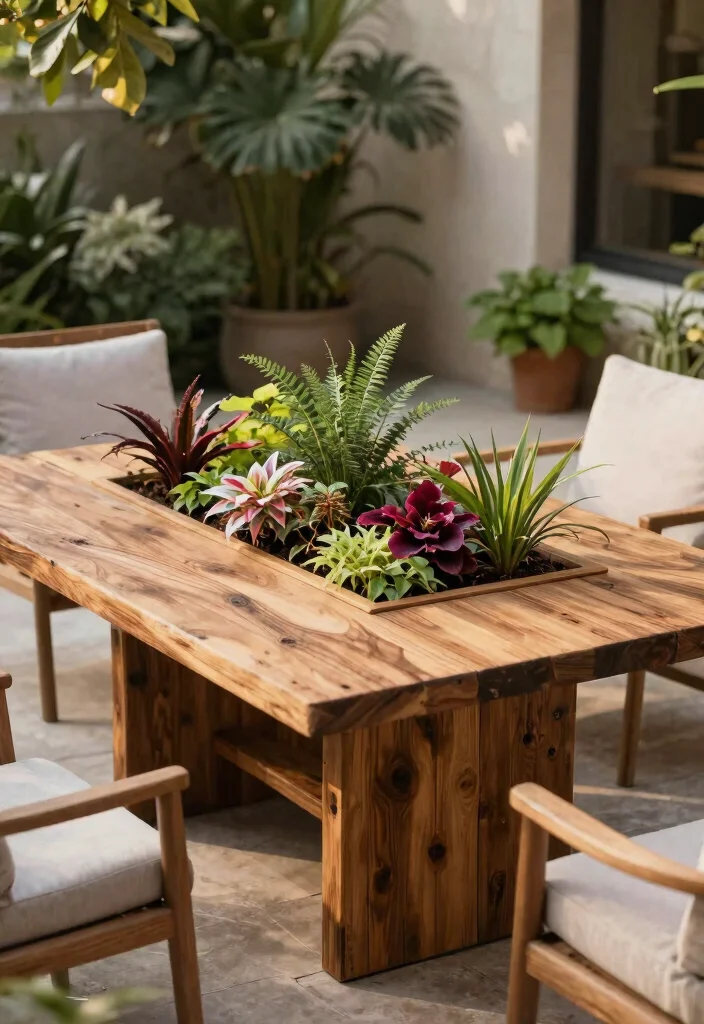
Merge function with beauty by creating multi-functional planter tables. These innovative tables serve as both dining or coffee tables and planter boxes, making them ideal for smaller patios. Design a table with compartments for plants in the center, allowing you to enjoy greenery while dining or entertaining.
Craft these tables from wood, metal, or even repurposed materials to reflect your style and creativity. Fill the compartments with flowers, herbs, or succulents to create a welcoming atmosphere.
Keep these tips in mind:
– Ensure the table is sturdy enough to support the weight of plants and diners.
– Choose plants that won’t obstruct views or interfere with table use.
– Consider adding a drip tray underneath to capture excess water.
These tables elevate your patio experience, creating a beautiful blend of functionality and nature that will impress your guests.
Fun fact: These deck planter box ideas can be a 2-in-1 table and planter, saving up to 25% of patio space on tiny decks. Place herbs in the center, then dine or entertain around them—greenery and meals mix effortlessly.
Conclusion
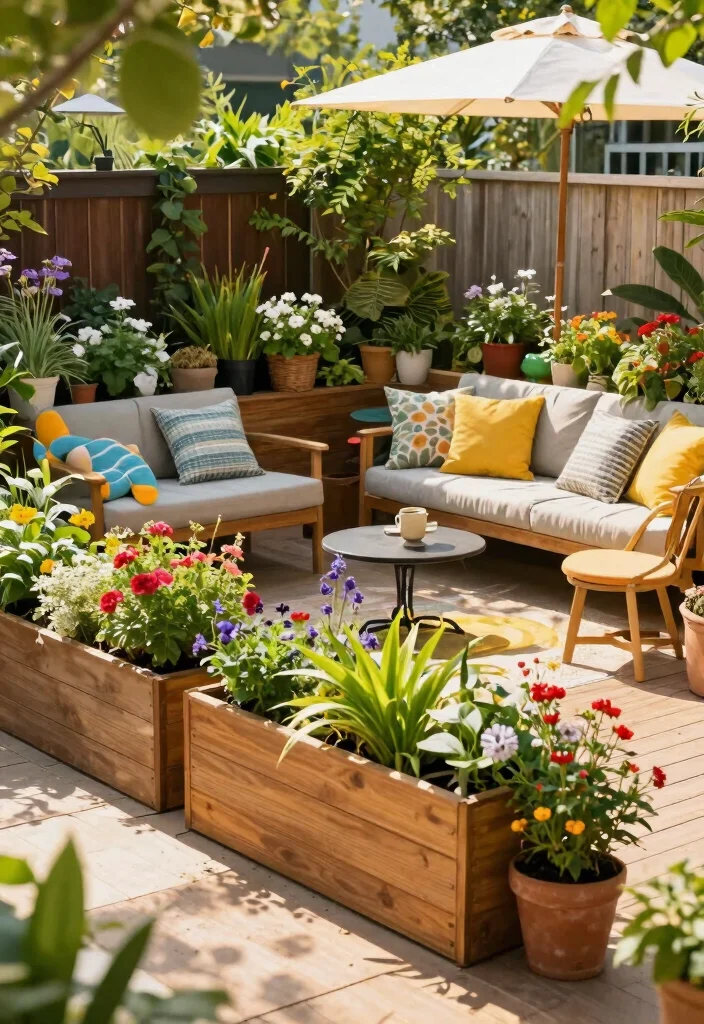
Incorporating DIY deck planter boxes into your patio space can turn an ordinary area into a beautiful garden oasis. With creativity and a little effort, these planters not only serve practical gardening purposes but also enhance the aesthetic appeal of your outdoor area. Consider which styles resonate with you and embrace the joy of nurturing plants as you witness your patio transform into a vibrant retreat.
Share your favorites or your own unique creations in the comments below and let’s inspire each other to grow greener spaces!
Note: We aim to provide accurate product links, but some may occasionally expire or become unavailable. If this happens, please search directly on Amazon for the product or a suitable alternative.
This post contains Amazon affiliate links, meaning we may earn a small commission if you purchase through our links, at no extra cost to you.
Frequently Asked Questions
What are the best deck planter box ideas for a small patio to maximize space and greenery?
Here’s how to make the most of deck planter box ideas on a compact patio. Start with lightweight, modular boxes you can stack or angle to fit corners. Consider freestanding units or railing planters to save floor space and enjoy lush greenery.
Choose shallow, wide containers for herbs and trailing flowers to increase sun exposure, and add vertical elements like a trellis or wall-mounted panels for a vertical planter boxes effect. Add a simple drip irrigation or self-watering insert to reduce maintenance and keep soil evenly moist.
For sustainability, upcycle crates or pallets with a weatherproof finish and fill with a quality container gardening ideas soil mix. A few adjustable pieces can create multiple levels of interest and keep your deck feeling airy.
How can I install vertical planter boxes on a deck without damaging the surface?
Vertical planter boxes are perfect for a green patio, but protection matters. Use freestanding vertical planters or attach planters to a railing with corrosion-proof brackets rather than drilling into the deck. Place a waterproof underlay or tray beneath soil-filled boxes to catch drainage and shield the deck.
Choose materials like cedar or powder-coated metal that hold up in weather, and ensure planters have drainage to avoid water pooling. When using modular wall panels, anchor them to a sturdy frame to create a vertical planter boxes setup with minimal deck damage.
Regularly check for moisture and consider a wind guard if you’re on a breezy patio; this keeps soil in place and protects your outdoor planter designs and the deck.
Which sustainable gardening solutions work well for deck planters?
Sustainable gardening pays off on a green patio. Start with a rainwater harvesting option or a simple self-watering system to cut water use while keeping soil moist for your deck planter box ideas.
Use recycled or reclaimed materials for the boxes and liners to reduce waste, and choose a lightweight, well-draining soil mix designed for container gardening (look for container gardening ideas ingredients).
Choose drought-tolerant plant combos and native species to reduce watering, rotate crops or herbs to keep soil healthy, and mulch the top. Finally, compost leftovers and feed with organic compost or compost tea for ongoing sustainable gardening solutions.
What plants thrive in deck planter boxes and how should I care for them?
Many plants do well in deck planter boxes, from compact herbs to ornamental foliage. For full sun, try deck planter box ideas with basil, thyme, and chives, plus compact tomatoes or peppers. For shade, plant lettuce, spinach, and other leafy greens. Use a high-quality potting mix with drainage and refresh soil every season to keep your container gardening ideas vibrant.
Water consistently—containers dry out faster—preferably in the morning. Fertilize with a balanced organic fertilizer every 4–6 weeks and prune to promote airflow. If you’re growing vertically, add a trellis or cascading plants to maximize space and maintain healthy outdoor planter designs.
How do I choose the right container for deck planter box ideas?
Choosing the right container is key for durability, plant health, and style on a deck. Look for UV-resistant, lightweight materials like high-quality plastics, fiberglass, or cedar that won’t warp in sun and rain.
Check for drainage holes and add liners or saucers to protect the deck. Size matters: shallow boxes suit herbs; deeper tubs support lettuces, greens, or small shrubs in container gardening ideas. Pair with a balanced soil mix and a simple watering routine so you can manage deck planter box ideas with confidence.

![21 Genius Garden Hose Storage Ideas [End the Clutter]](https://nestire.com/wp-content/uploads/2026/04/21-Genius-Garden-Hose-Storage-Ideas-End-the-Clutter-150x150.webp)
![15 Dreamy Canopy Tent Wedding Reception Ideas [Elegant]](https://nestire.com/wp-content/uploads/2026/04/15-Dreamy-Canopy-Tent-Wedding-Reception-Ideas-Elegant-150x150.webp)