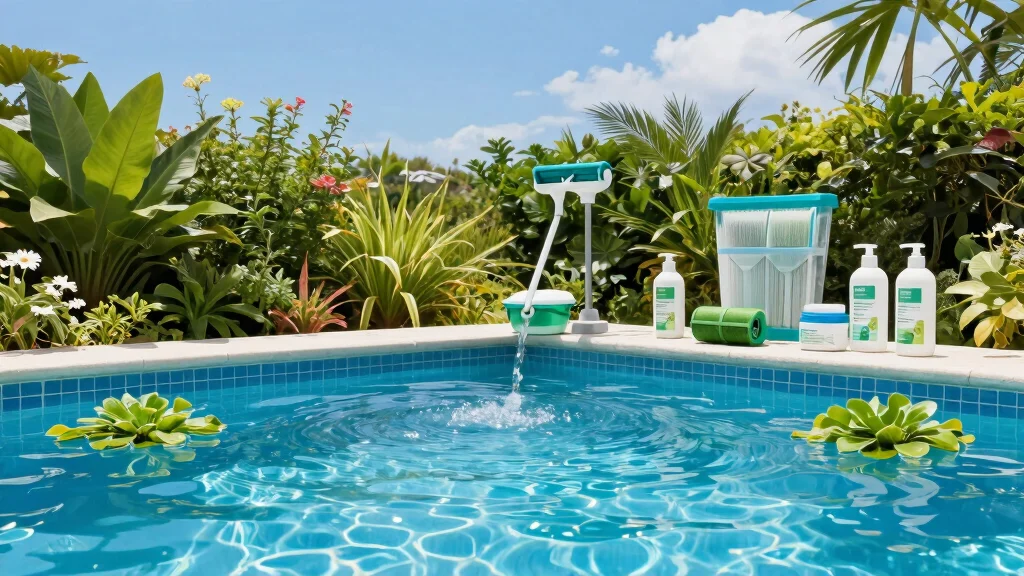
Selecting the right pool filter can feel overwhelming, especially with so many options available. Pool maintenance has its challenges, and having a clean pool is crucial for enjoyment and safety. This post aims to guide you through the process of choosing the best pool filter, ensuring you make a well-informed decision that suits your needs.
If you’re a pool owner or someone interested in eco-friendly pool maintenance solutions, this guide is tailor-made for you. You care about keeping your pool pristine and environmentally friendly, and you want to avoid the hassle that comes with poor filtration. I pulled together 7 pro tips that are clear, actionable, and perfect for anyone looking to improve their pool maintenance routine.
By the end of this post, you will have a solid understanding of how to select the best pool filter for your setup. You’ll learn about various types of pool filtration systems, how to assess your pool size and usage, and even explore energy-efficient and eco-friendly options. Let’s dive in and get your pool water crystal clear!
Key Takeaways
– Understanding different types of pool filters—like sand, cartridge, and diatomaceous earth—will help you choose the right one for your pool.
– Evaluating your pool size and how often you use it is crucial in determining the appropriate filter capacity and type needed.
– Local climate plays a significant role in filter selection; warmer areas may need more robust systems to handle increased debris and algae growth.
– Eco-friendly options are available, allowing you to maintain your pool while being kinder to the environment.
– Regular maintenance is essential for optimal water clarity, and it’s wise to seek recommendations and reviews before making a purchase.
1. Understand the Types of Pool Filters
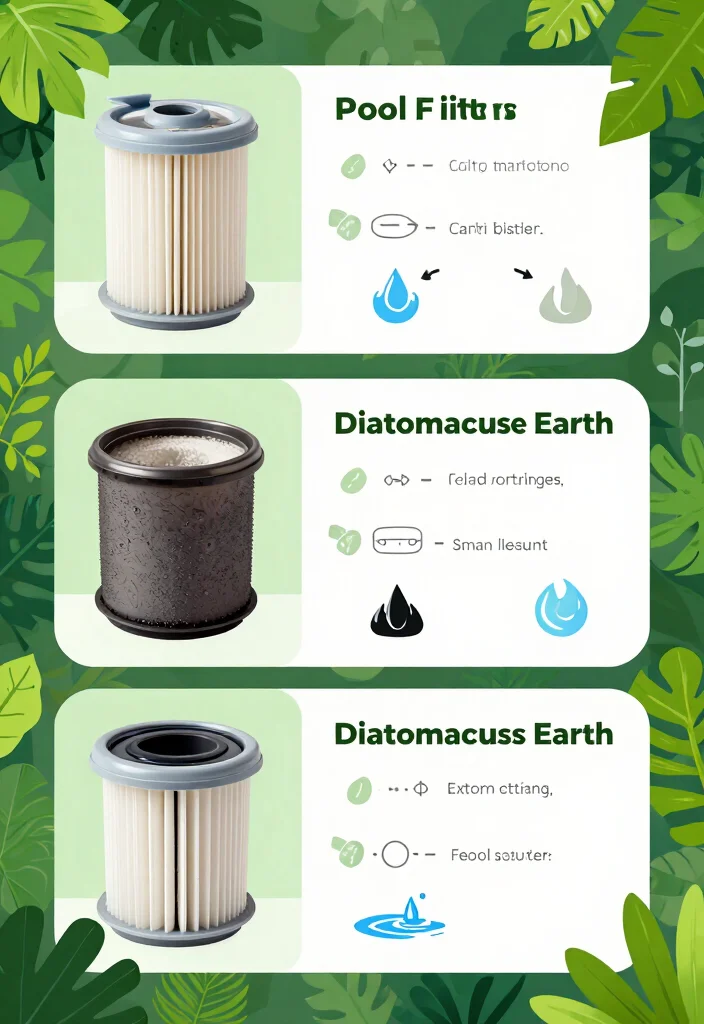
Choosing the right pool filter is essential for keeping your swimming area clean and inviting. Understanding the different types available can help you make a more informed decision. The main categories include sand filters, cartridge filters, and diatomaceous earth (DE) filters, each with unique benefits and drawbacks. Selecting the ideal filter not only improves water clarity but can also reduce maintenance efforts and costs over time.
Begin by evaluating your pool’s size and your maintenance preferences. Sand filters are great for large pools but may miss smaller debris. Cartridge filters offer low upkeep and are eco-friendly, while DE filters are top-notch for fine particle filtration but require more care. Knowing your options allows you to choose a filter that aligns with your lifestyle.
Key filter types to consider:
– Sand Filters: Affordable and easy to use, ideal for larger pools.
– Cartridge Filters: Energy-efficient, low maintenance, and eco-friendly.
– DE Filters: Excellent for fine filtration, though more costly and maintenance-heavy.
– Consider Pool Size: Match filter type with your pool’s dimensions and usage.
With the right filter, you’ll enjoy a clearer pool and a more sustainable approach to your outdoor space.
2. Evaluate Your Pool Size and Usage
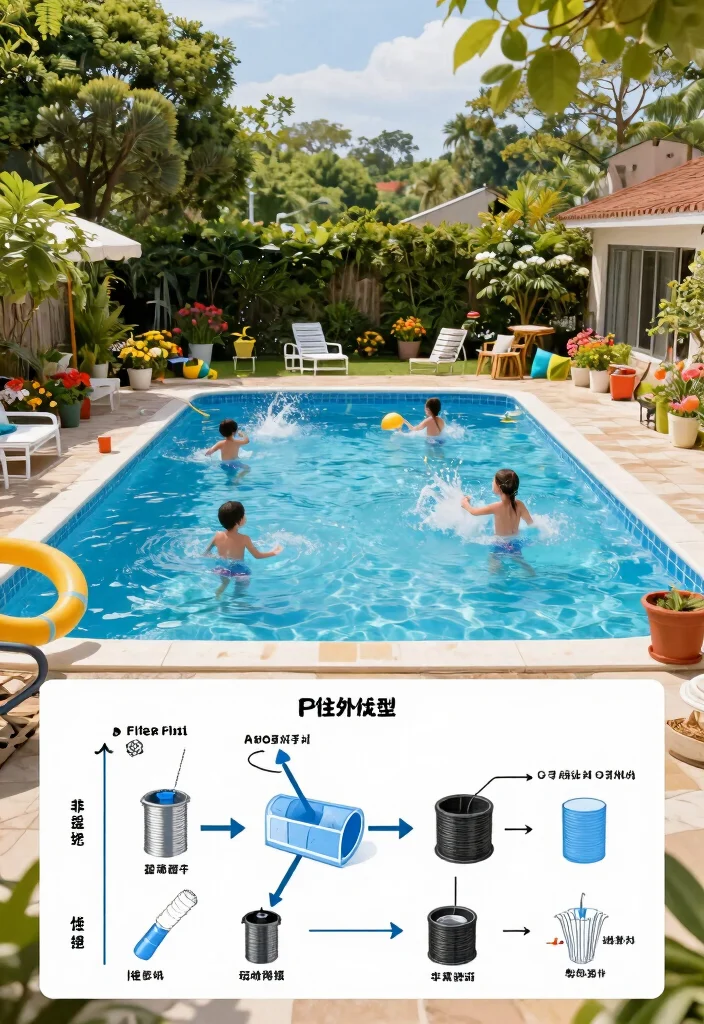
Understanding your pool’s size and how often it’s used is crucial for selecting an effective filter. Larger pools demand more powerful filtration systems, while smaller ones can function well with less robust options. Always refer to the manufacturer’s guidelines for the proper filter capacity to ensure optimal performance.
Consider how frequently you use your pool. If it’s a popular gathering spot, it will accumulate more dirt and debris, necessitating a more efficient filter. Think about factors like kids running in and out or pets splashing around, as these can affect the filter’s effectiveness.
Important factors to assess:
– Determine Pool Size: Choose a filter that matches your pool’s volume.
– Analyze Usage Frequency: More use means needing a stronger filter.
– Consider Lifestyle: Kids and pets can increase debris levels.
By aligning your filter selection with your pool’s needs, you’ll ensure a cleaner swimming experience and save on energy and maintenance costs.
3. Assess Your Local Climate
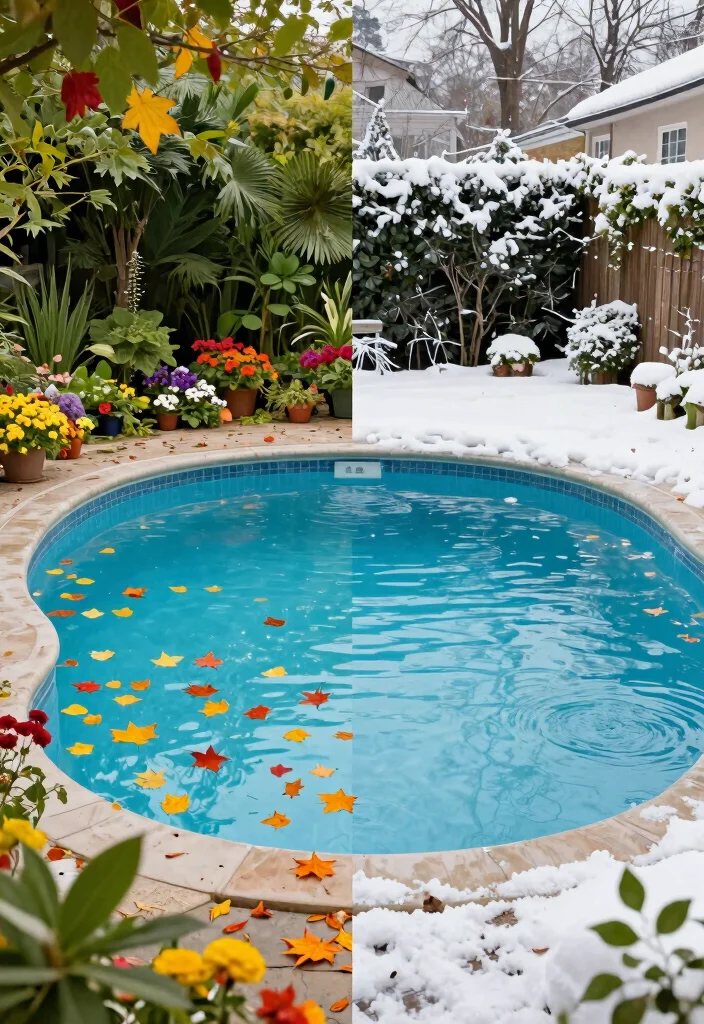
Your local climate plays a significant role in choosing the right pool filter. In warmer areas, your pool may gather more leaves and insects, so a robust filter that can handle larger debris is essential. Conversely, cooler climates may see more algae growth, requiring a filter that effectively manages fine particles and bacteria.
Seasonal changes also affect pool maintenance. Understanding how weather impacts debris accumulation can guide you in selecting a filter that meets your specific needs. A filter suited to your local conditions helps maintain water quality while reducing the need for harsh chemicals.
Climate considerations include:
– Debris Management: Choose a filter that handles larger particles in warm climates.
– Algae Prevention: Opt for filters that effectively manage fine particles in cooler areas.
– Seasonal Maintenance: Adjust filtration efforts based on seasonal debris levels.
By factoring in your climate, you can select a filter that promotes a cleaner pool while supporting eco-friendly practices.
“Seasonal weather makes pool care personal—what works in summer won’t cut it in winter. If you see more debris in warm months and more algae in cool months, how to select the best pool filter for your climate: pick one that handles both big scraps and fine particles.”
Key Trade-offs & Our Top Pick
Option 1: Sand Filters
– Pros:
– Sand filters are easy to maintain and operate.
– They can effectively filter out large particles, making them great for regular pool use.
– Cons:
– They may not filter out smaller debris and particles as effectively as other options.
– You need to replace the sand every 3-5 years, which can add to the cost.
– Best for: Pools with average usage that need a reliable and low-maintenance option.
Option 2: Cartridge Filters
– Pros:
– Cartridge filters offer excellent filtration for small particles, enhancing pool water clarity.
– They do not require backwashing, making them eco-friendly and conserving water.
– Cons:
– The cartridges need to be cleaned and replaced every few years, which can be cumbersome.
– They may not handle heavy debris very well.
– Best for: Smaller pools or those with low debris, where water clarity is a priority.
Option 3: Diatomaceous Earth (DE) Filters
– Pros:
– DE filters provide the finest level of filtration, trapping tiny particles for crystal-clear water.
– They have a longer lifespan if maintained properly and require less frequent cleaning.
– Cons:
– They can be more complicated to operate and maintain compared to other filters.
– DE powder can be hazardous if not handled correctly, so extra caution is needed.
– Best for: Pools needing top-notch water clarity and regular maintenance.
Option 4: Saltwater Pool Systems
– Pros:
– Saltwater systems use salt to create chlorine, resulting in softer water that’s easier on the skin.
– Lower maintenance with fewer chemicals needed, allowing for a more natural swimming experience.
– Cons:
– Initial setup can be more expensive than traditional filters.
– They may require special care for salt cell maintenance and can lead to corrosion in some pool types.
– Best for: Homeowners looking for a more eco-friendly option and who are willing to invest upfront.
Option 5: Eco-Friendly Pool Filters
– Pros:
– They use natural materials and methods to keep your pool clean, reducing chemical use.
– Many designs are energy-efficient and can save money in the long run.
– Cons:
– They may not always offer the same level of filtration as traditional filters.
– Availability can be limited depending on your location.
– Best for: Eco-conscious pool owners who want to minimize their environmental impact.
Best Overall: Cartridge Filters
Cartridge filters are our top pick for most people. They strike a great balance between excellent filtration and eco-friendliness. With no backwashing needed, they conserve water while effectively cleaning your pool. Plus, they’re relatively easy to maintain, making them perfect for busy homeowners.
Why We Picked This:
While cartridge filters are versatile and user-friendly, some might prefer sand filters for low maintenance or DE filters for superior clarity. Saltwater systems appeal to those wanting a gentler swimming experience. Ultimately, your choice should reflect your pool size, usage, and environmental priorities.
4. Consider Eco-Friendly Options
When selecting a pool filter, it’s essential to consider eco-friendly options that align with sustainability goals. Many modern filters, like cartridge filters, are designed with recyclable materials and consume less water and energy. This helps reduce your environmental footprint while maintaining your pool’s cleanliness.
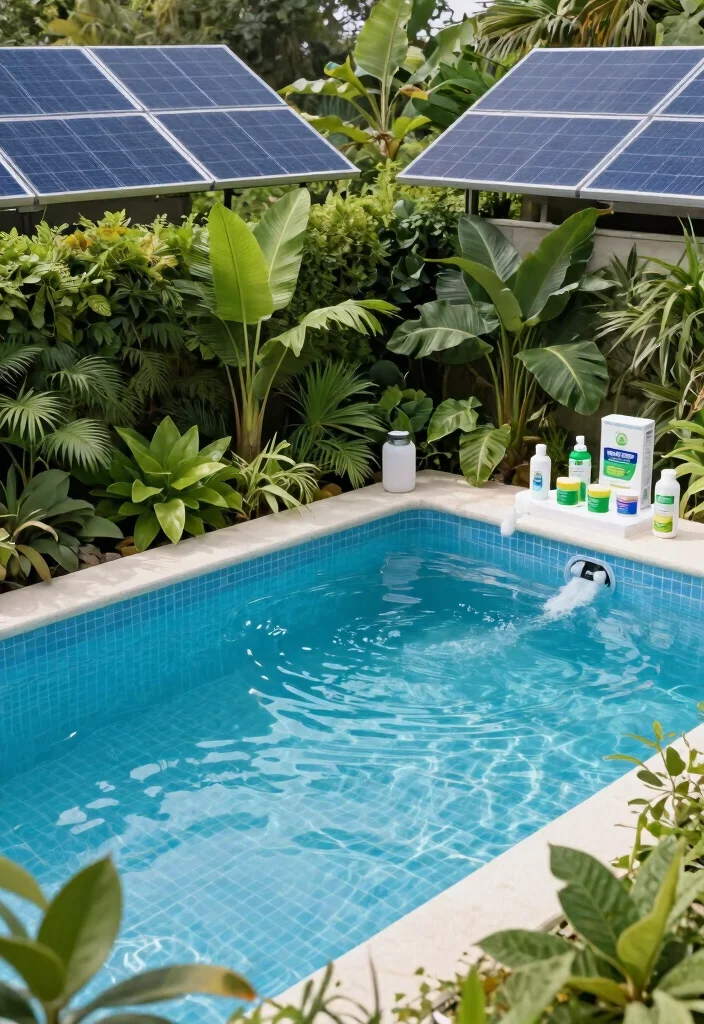
Natural pool systems also offer a unique approach by integrating biological filtration alongside plants, which minimizes chemical use and supports biodiversity. Alternatively, solar-powered filters harness sunlight to operate, making them an excellent choice for energy-conscious pool owners.
Eco-friendly options to explore:
– Choose Cartridge Filters: Eco-friendly and energy-efficient, requiring fewer resources.
– Explore Natural Pool Systems: Utilize plants for natural filtration and reduced chemicals.
– Consider Solar Filters: Harness solar energy to power your filtration.
By opting for eco-friendly filters, you enhance your swimming experience while contributing to a healthier environment around your pool.
Filter Type |
Cost |
Maintenance |
Eco-Friendly |
|---|
Sand Filters |
Affordable |
Low upkeep |
N/A |
Cartridge Filters |
Moderate |
Low maintenance |
Yes |
DE Filters |
High |
High maintenance |
N/A |
Natural Pool Systems |
Varies |
Low chemical use |
Yes |
Solar Filters |
Varies |
N/A |
Yes |
Energy Star Filters |
Varies |
N/A |
Yes |
5. Look for Energy Efficiency
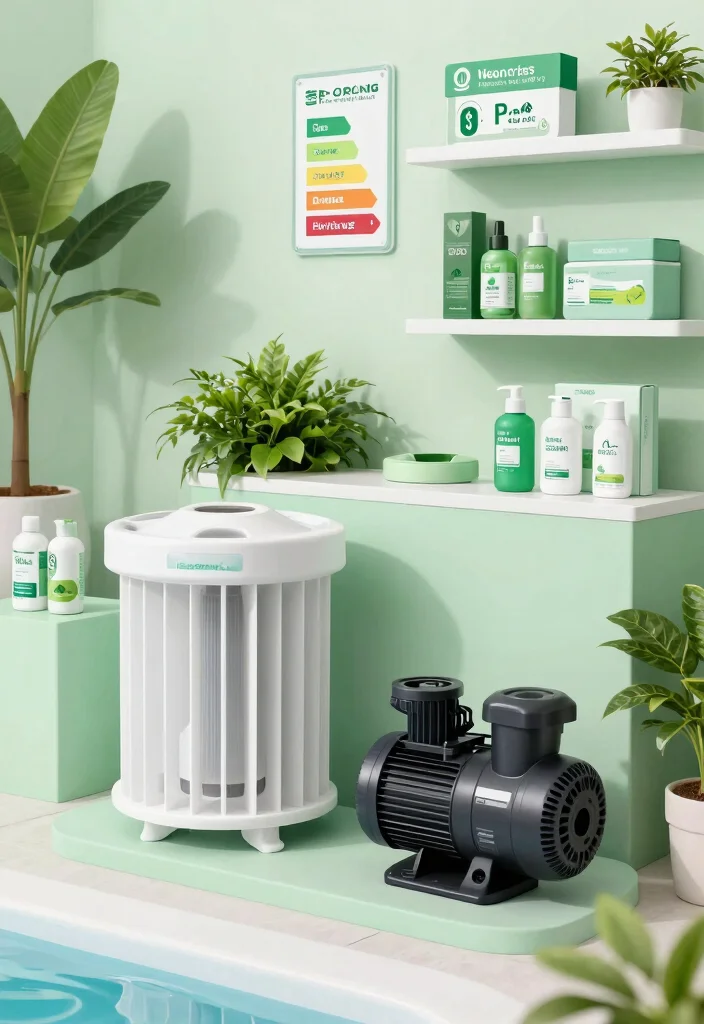
Selecting an energy-efficient pool filter is not just environmentally friendly, but it can also save you money. Filters that are Energy Star rated are designed to minimize electricity use, leading to lower utility bills over time. High-efficiency models maintain water clarity without excessive energy consumption.
Consider filters compatible with variable speed pumps, allowing you to adjust the flow rate based on your filtration needs. Smart technology can also help monitor and optimize your filter’s settings for better energy use.
Energy efficiency highlights:
– Choose Energy Star Rated Filters: Designed for lower electricity consumption.
– Use Variable Speed Pumps: Adjust flow rates to suit your pool’s needs.
– Implement Smart Technology: Monitor filter settings remotely for optimization.
Focusing on energy efficiency enhances your wallet while supporting a greener planet and your gardening goals.
Fun fact: Energy Star-rated pool filters sip power—up to 20% less energy than standard models. Pair that with a variable-speed pump, and you could shave monthly bills while keeping water crystal clear.
6. Maintenance is Essential
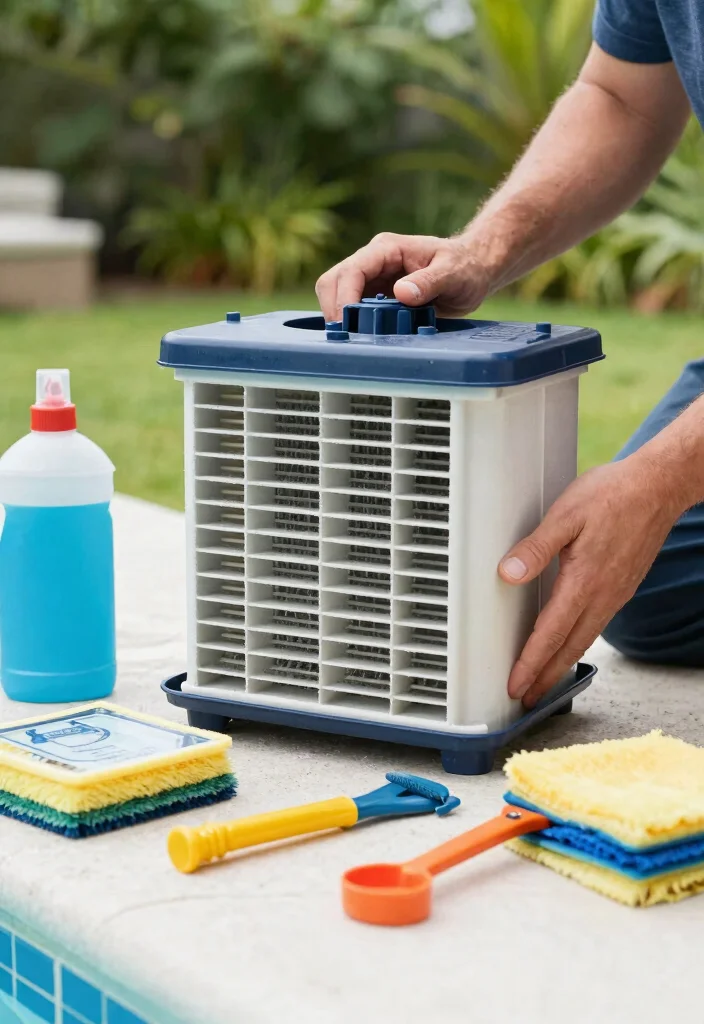
To keep your pool filter working effectively, regular maintenance is essential. Depending on the type of filter, you’ll need to clean or replace cartridges or sand periodically. A well-maintained filter ensures your pool water remains clear and inviting for swimmers.
Monitoring water chemistry is also crucial. Keeping your pool’s pH and chlorine levels balanced helps reduce wear on your filter while preventing algae growth. If you’re unsure about the filter’s condition, consider hiring a professional for an annual inspection to catch issues early.
Key maintenance practices include:
– Regular Cleaning: Clean or replace filters as needed for optimal performance.
– Check Water Chemistry: Balance pH and chlorine to protect your filter.
– Arrange Professional Inspections: Get expert help for condition assessments.
By prioritizing maintenance, you ensure your filter operates at peak efficiency, contributing to a clean pool and supporting your eco-friendly gardening efforts.
7. Seek Recommendations and Reviews
Don’t overlook the value of community feedback when choosing a pool filter. Asking friends, family, or local gardening groups for their experiences can provide insights into reliable options that may fit your needs. First-hand recommendations often highlight the pros and cons of various filters.
Online reviews are another valuable resource. Websites and forums often host user experiences that reveal important information about different filtration systems. Look for common themes in praises or complaints to make a better-informed decision. Additionally, pool maintenance professionals can provide expert opinions on which filters perform best in specific environments.
Consider these steps:
– Ask for Recommendations: Gather insights from friends and local groups.
– Read Online Reviews: Check user experiences for different filter options.
– Consult Professionals: Seek expert advice for tailored recommendations.
By leveraging shared knowledge, you can confidently choose a filter that keeps your pool sparkling and aligns with your eco-friendly goals.
Fun fact: 85% of pool-filter picks come from trusted recommendations. Asking friends, family, or local groups helps you learn how to select the best pool filter—especially eco-friendly options—and you’ll uncover pros and cons before you buy.
💡
Key Takeaways
Essential tips from this article
🔍
BEGINNER
Know Filter Types
Familiarize yourself with sand, cartridge, and diatomaceous earth filters to choose the best one for your needs.
📏
ESSENTIAL
Match Pool Size
Evaluate your pool size and typical usage to ensure the filter can handle the water volume effectively.
🌦️
PRO TIP
Consider Your Climate
Assess your local climate’s impact on pool maintenance to select a filter that’s suitable for your environment.
♻️
ADVANCED
Eco-Friendly Choices
Explore eco-friendly filtration options that reduce chemical use and environmental impact while maintaining clean water.
⚡
QUICK WIN
Energy Efficiency Matters
Look for energy-efficient filters to save on utility bills while ensuring effective water circulation.
🗣️
WARNING
Seek Advice
Ask for recommendations and read reviews from other pool owners to make an informed decision on filters.
Conclusion
Selecting the best pool filter is a blend of understanding your needs and embracing eco-friendly practices.
By considering factors like pool type, climate, maintenance, and energy efficiency, you can choose a filter that enhances not only your swimming experience but also your gardening goals.
Ready to take the plunge? Dive into these tips and enjoy a sparkling, environmentally-friendly pool this season!
Note: We aim to provide accurate product links, but some may occasionally expire or become unavailable. If this happens, please search directly on Amazon for the product or a suitable alternative.
This post contains Amazon affiliate links, meaning we may earn a small commission if you purchase through our links, at no extra cost to you.
Frequently Asked Questions
How to select the best pool filter for an eco-friendly garden pool?
If you’re wondering how to select the best pool filter, start with your pool’s size in gallons and the desired turnover. Then compare pool filtration systems like cartridge, sand, and DE for eco-friendly operation. Cartridges tend to be energy-efficient and easy to maintain for garden pools, sand filters are durable with simple maintenance, and DE filters offer the finest filtration at the cost of more routine upkeep. Size the filter to your pump’s flow rate and head pressure to avoid wasted energy. Look for energy-saving motors or compatibility with a variable-speed pump, and choose a design that minimizes backwash. In short, it’s all about smart choosing a pool filter that boosts pool water clarity while supporting eco-friendly pool maintenance tips.
What are the main differences between pool filtration systems and which is most energy-efficient?
Here’s a practical comparison to help you pick the right pool filtration systems for your setup:
• Cartridge filters: excellent filtration for residential pools, low backwash, compact, and energy-friendly when paired with a variable-speed pump.
• Sand filters: simple, durable, and low-maintenance but require periodic backwashing and may not trap the tiniest particles as efficiently. They’re typically cost-effective and reliable for eco-friendly maintenance.
• DE (diatomaceous earth) filters: superb filtration down to the smallest particles, but higher maintenance and chemical considerations; they can be energy-efficient if your pump is well-matched and you backwash wisely.
For energy efficiency, pair any filter with a variable-speed pump and optimize turnover to minimize head loss. This makes your overall system a strong fit for best pool filter types without wasting water or energy.
How can I improve pool water clarity while keeping maintenance tips eco-friendly?
Great question for pool water clarity and sustainability. Start with proper circulation and filtration: run the filter long enough to complete at least one full turnover per day (adjust for your pool size). Keep skimmers and returns well-positioned to maximize flow, and monitor pH and sanitizer levels to avoid cloudy water. Use eco-friendly maintenance tips like reducing chemical overuse, backwashing only when needed, and choosing a filter type that matches your pump for efficient filtration. A simple weekly check of pressure gauges can prevent clarity problems before they start.
Incorporate natural or low-toxicity clarifiers if you prefer a greener approach, and always aim for pool maintenance tips that balance water quality with environmental impact.
What size and flow rate do I need when selecting a pool filter to avoid wasted energy?
To avoid wasting energy, size your filter to match the pool’s volume and the desired turnover. A practical rule is: Flow rate (gallons per hour, GPH) = Pool gallons ÷ Turnover hours. For example, a 20,000‑gallon pool aiming for one turnover every 8 hours needs about 2,500 GPH (roughly 42 GPM). Make sure your pump and filter work well together; a high-capacity filter on a small pump wastes energy, while an under-sized filter can stall water clarity. Check the system’s head loss and consider a variable-speed pump to dial in the exact flow. This approach helps you confidently answer how to select the best pool filter while keeping energy use in check.
How often should I clean or replace a pool filter and what are signs it’s time to upgrade to a better pool filter type?
Clean or replace based on your filter type and usage. Cartridge filters usually need cleaning every 4–6 weeks and replacement every 2–3 years. Sand filters require backwashing when the pressure rises 8–10 psi above clean, typically every few weeks during heavy use, and the sand may need replacement every 5–7 years. DE filters require backwashing and recharging with DE powder regularly. Signs it’s time to upgrade include persistent cloudy water despite cleaning, rising energy costs, frequent backwashing, or noticeable pressure drops and wear on the system. If you’re consistently battling water clarity and maintenance demands, it may be time to revisit choosing a pool filter and consider a best pool filter types upgrade for better efficiency.


![21 Genius Garden Hose Storage Ideas [End the Clutter]](https://nestire.com/wp-content/uploads/2026/04/21-Genius-Garden-Hose-Storage-Ideas-End-the-Clutter-150x150.webp)
![15 Dreamy Canopy Tent Wedding Reception Ideas [Elegant]](https://nestire.com/wp-content/uploads/2026/04/15-Dreamy-Canopy-Tent-Wedding-Reception-Ideas-Elegant-150x150.webp)