
Have you ever been poolside, enjoying the warmth of the sun while dipping into a heated pool, only to find that your heater isn’t performing as it should? It’s frustrating, right? I created this guide because I want you to get the most out of your pool heater and enjoy those relaxing moments without worry. Pool heater maintenance might not sound thrilling, but trust me, these tips will save you time, money, and headaches in the long run.
If you’re a pool owner who values a well-maintained swimming area and cares about energy efficiency, this post is for you. You deserve to dive into a warm pool without the fear of unexpected problems. Whether you enjoy hosting summer pool parties or simply want a serene space to unwind, keeping your pool heater in top shape is key. With my collection of 11 essential pool heater maintenance tips, you’ll learn the ins and outs of heater care, ensuring that you can enjoy your swimming pool season after season, while also being eco-friendly.
You can expect practical advice that’s easy to follow, regardless of your experience level. Each tip is designed to enhance your heater’s performance and longevity, so you can swim comfortably while also being mindful of energy use. By the end of this guide, you’ll be equipped with knowledge to keep your pool heater running smoothly, helping you create the perfect aquatic oasis in your eco-friendly garden.
Key Takeaways
– Regularly inspect your pool heater for leaks to prevent costly repairs and maintain efficiency.
– Clean the filter frequently to ensure optimal water flow and better heater performance.
– Check and balance your water chemistry consistently to protect both your pool and heater.
– Schedule professional inspections annually to catch any potential issues early.
– Protect your heater during winter months to extend its lifespan and maintain energy efficiency.
1. Regularly Inspect for Leaks
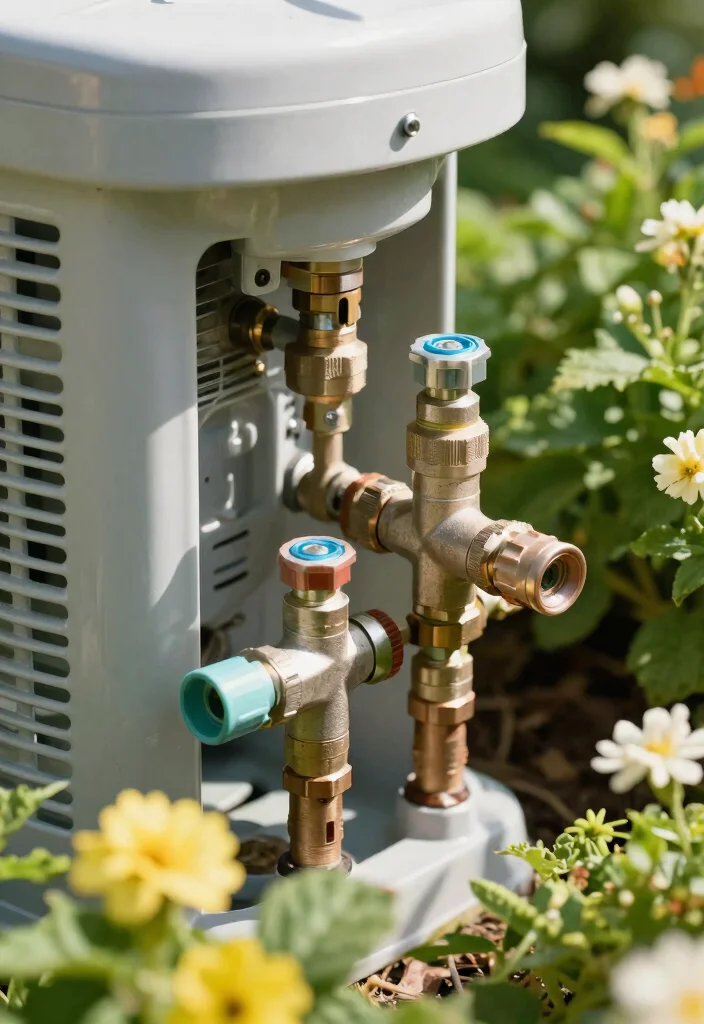
Regular inspections for leaks are essential for keeping your pool heater in top shape. Even minor leaks can drain energy and lead to inefficiency, which can be costly. Begin your checks by looking at the heater’s connections and plumbing for any signs of moisture or water accumulation. Pay special attention to joints, fittings, and valves, as these are common leak points. If you find a leak, act quickly—tighten loose fittings or replace worn parts right away. Staying vigilant about leaks not only helps your heater run better but also conserves water, making your setup more eco-friendly.
Use environmentally friendly sealants to patch small leaks as needed. Make checking for leaks a regular habit, especially during the pool season. This proactive approach saves you both time and energy, ensuring a smoother operation in the long run!
Key steps for effective leak inspection:
– Inspect connections for moisture or damp spots
– Tighten fittings and replace worn parts
– Use eco-friendly sealants for minor repairs
Keeping an eye on leaks ensures your heater operates efficiently and conserves water. You’ll notice a significant difference in performance and lower operating costs.
2. Clean the Filter Regularly
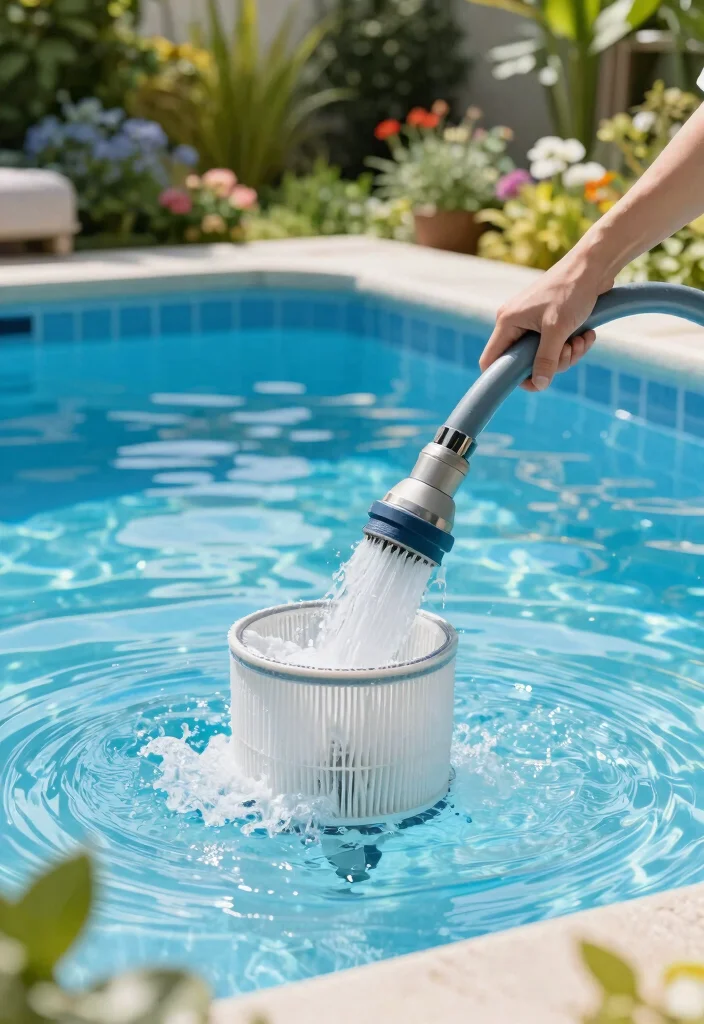
Keeping your pool heater’s filter clean is crucial for optimal performance. Filters can quickly become clogged with dirt, leaves, and other debris, which can hinder efficiency. To maintain your heater’s effectiveness, check the filter at least once a month and clean it when necessary. Usually, this involves removing the filter and rinsing it off with a hose until the water runs clear. If you notice any damage or excessive wear, it may be time to replace the filter.
Regular cleaning not only boosts energy efficiency but also enhances your swimming experience by keeping the water clear and inviting. Remember, a clean filter leads to less energy use and more enjoyment in your eco-friendly garden oasis!
Essential filter cleaning tips:
– Check the filter monthly for clogs
– Rinse with a hose until clear
– Replace if damaged or worn out
Maintaining a clean filter enhances your heater’s performance and keeps your pool inviting. You’ll enjoy a cleaner swimming environment while saving energy.
3. Check Water Chemistry
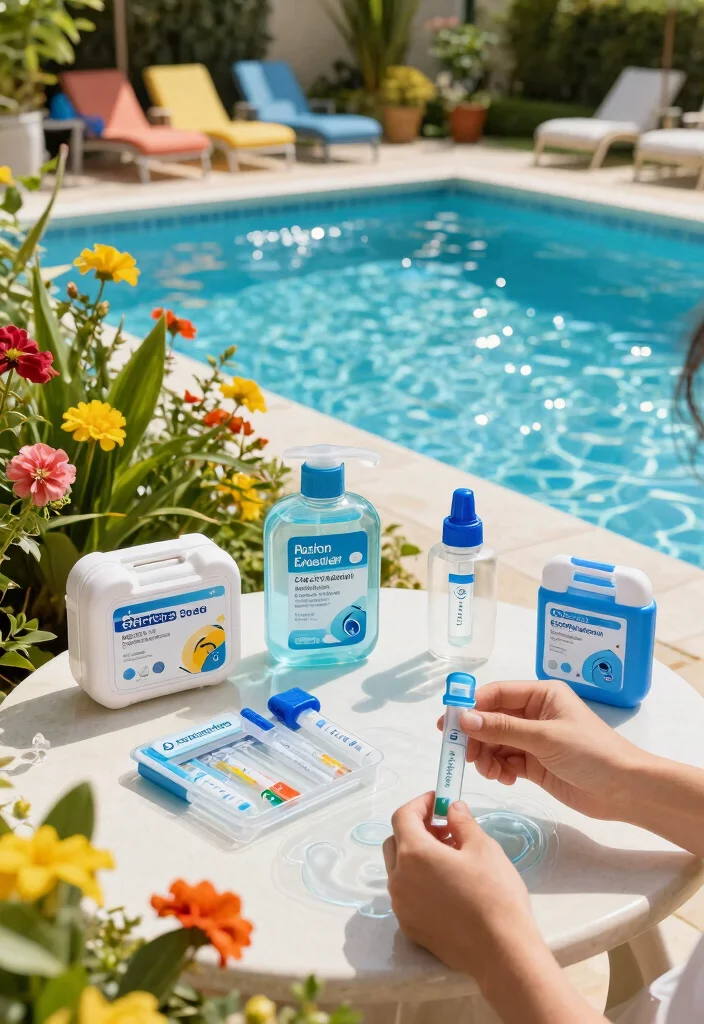
Maintaining the right water chemistry is vital for both your comfort and the longevity of your pool heater. If pH levels are off, it can lead to corrosion in the heating elements, resulting in costly repairs. Regularly test your water for pH, chlorine, and alkalinity to ensure it’s in the ideal range. Aim for a pH level between 7.2 and 7.8 for optimal swimming conditions, while proper chlorine levels keep the water clean.
Consider using eco-friendly water testing kits to keep your pool chemistry balanced without harmful chemicals. Monitoring your water chemistry protects your heater and creates a healthier swimming environment for everyone.
Steps to maintain proper water chemistry:
– Test pH, chlorine, and alkalinity regularly
– Aim for pH levels between 7.2 and 7.8
– Use eco-friendly testing kits for safety
Keeping your water chemistry balanced not only protects your heater but also promotes a safe swimming experience. Your family will appreciate a cleaner and healthier pool!
Fun fact: When you keep pH at 7.2–7.8 and balanced chlorine, your pool heater lasts longer and repairs drop by up to 30%. Regular testing with eco-friendly kits is one of the best pool heater maintenance tips to keep water chemistry steady.
4. Schedule Professional Inspections
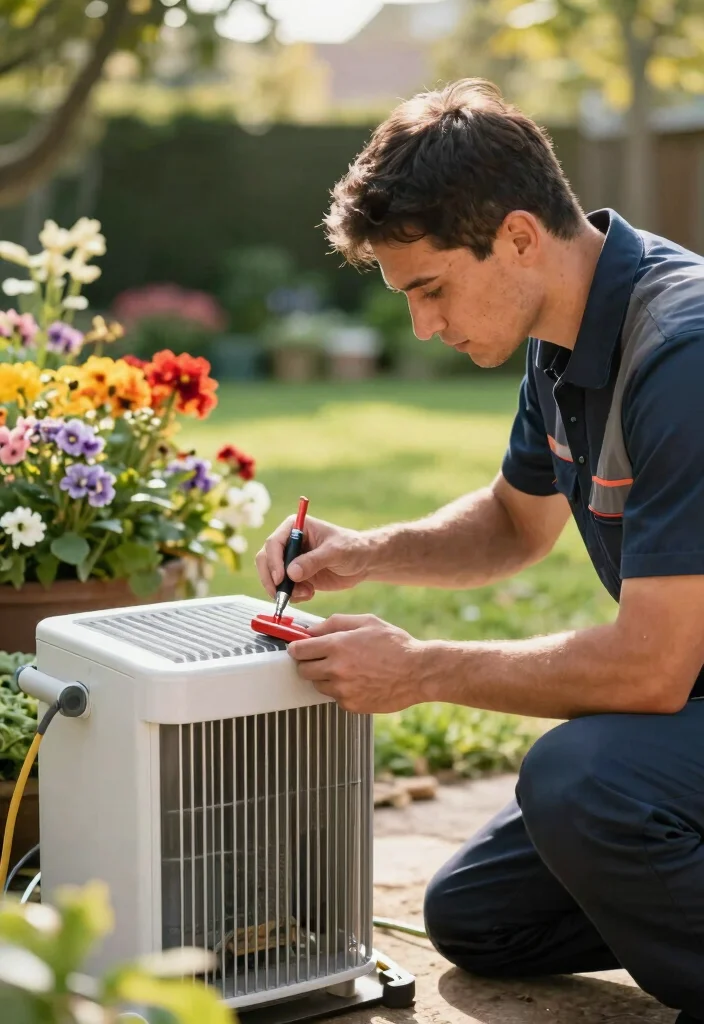
While you can handle a lot of maintenance yourself, don’t underestimate the value of professional inspections. Having an expert examine your pool heater at least once a year allows for the detection of potential issues before they escalate. Professionals can conduct thorough checks on all components, ensuring everything is functioning properly. They also have the ability to clean internal parts more effectively than typical DIY methods allow.
Choosing a technician who specializes in eco-friendly systems can improve your garden’s sustainability. They can offer insights into energy-efficient practices and suggest upgrades that lower energy consumption, benefiting both your heater and the environment. Investing in professional inspections is a wise choice for peace of mind and extending the life of your heater.
Benefits of professional inspections:
– Detect issues before they escalate
– Conduct thorough cleaning of internal parts
– Gain insights into energy-efficient practices
Regular professional checks ensure your heater remains efficient and reliable. You’ll enjoy a longer-lasting system and lower energy costs!
5. Protect Your Heater in Winter
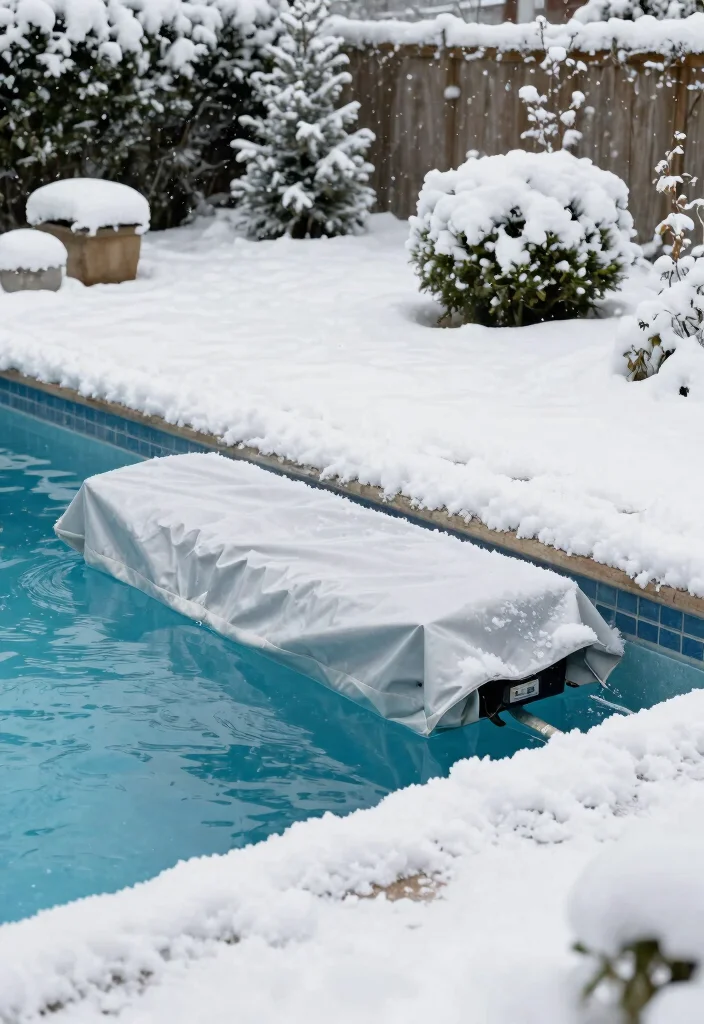
For those in colder climates, protecting your pool heater during winter is essential. Before the cold weather arrives, winterize your heater by draining all the water and ensuring it’s completely dry. Leaving water in the heater can lead to freezing and cracking, causing expensive repairs when spring comes.
Invest in an insulated cover for your heater to provide extra protection against winter’s chill. This simple step helps maintain efficiency for the upcoming season and saves energy by ensuring the heater doesn’t have to work harder than necessary when the warm weather returns.
Steps to winterize your heater:
– Drain all water from the heater
– Ensure it’s completely dry
– Invest in an insulated cover for protection
Winterizing your heater protects it from damage and enhances its efficiency. You’ll be ready for warm weather without the hassle of repairs!
Fun fact: as part of pool heater maintenance tips, winterizing can reduce energy use by up to 25% and prevent costly spring repairs. Drain all water, dry the unit, and snug an insulated cover to keep efficiency high all season.
6. Optimize Heater Settings
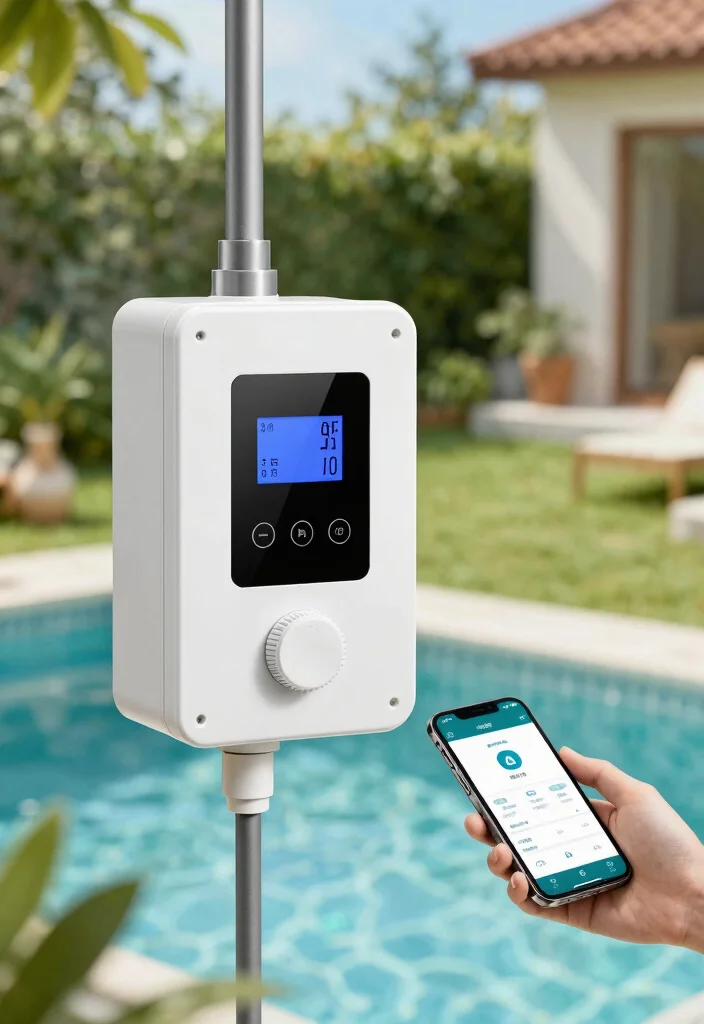
To keep your pool heater running efficiently, optimizing its settings based on usage is crucial. If you have a gathering planned, adjust the heater settings to preheat the water to your desired temperature ahead of time. Conversely, if the pool will remain unused for a while, lower the temperature to conserve energy.
Consider investing in smart thermostats, which allow you to control your heater settings remotely. This ensures maximum efficiency while minimizing energy use. Maintaining the right temperature not only enhances swimming comfort but also protects your heater from unnecessary strain, promoting a longer lifespan.
Tips for optimizing heater settings:
– Adjust settings for gatherings in advance
– Lower temperature during extended periods of non-use
– Use smart thermostats for remote control
Optimizing your heater settings enhances comfort and energy efficiency. You’ll enjoy a pleasant swimming experience while reducing energy costs!
Fun fact: The best pool heater maintenance tips can cut energy use by up to 30% with smart scheduling. When you preheat for gatherings and lower temps during long absences, you’ll save 15-25% on monthly bills.
7. Use Pool Covers Wisely
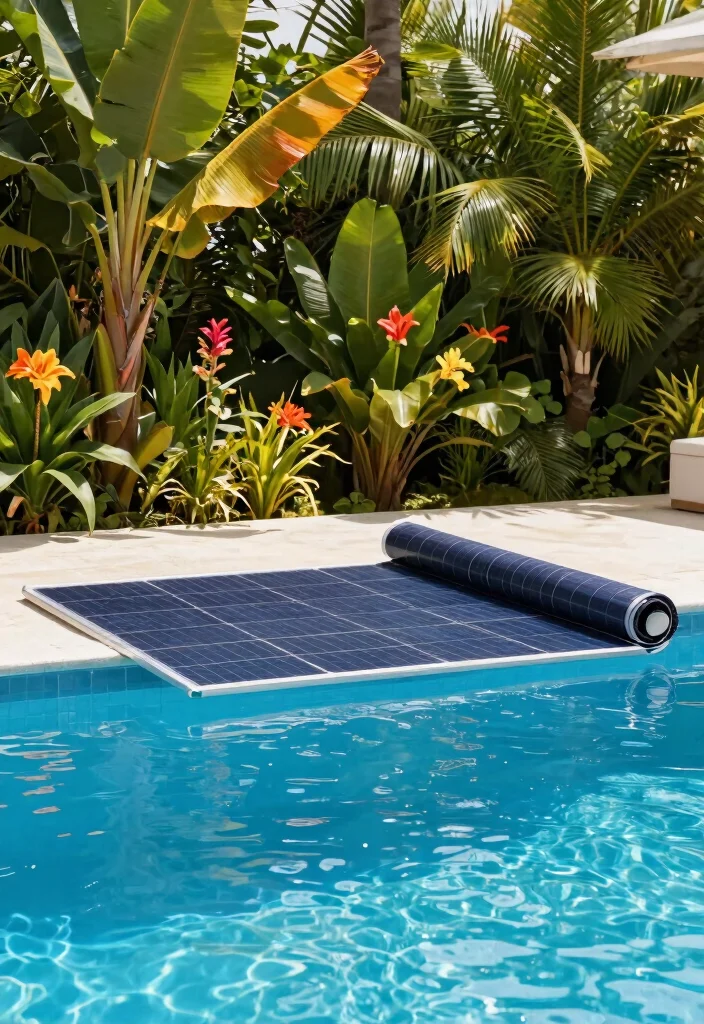
Utilizing a pool cover is a smart way to maintain water temperature and cut down on energy consumption. A well-fitted cover reduces heat loss at night and keeps debris out during the day. This means your heater won’t have to work as hard to maintain the desired temperature. Covers are available in different materials, including solar covers that naturally retain heat while providing other benefits.
Make it a routine to cover your pool whenever it’s not in use, especially during cooler months or periods of inactivity. This easy practice can significantly lower maintenance needs and create a more energy-efficient heating solution, aligning perfectly with eco-friendly garden principles.
Benefits of using pool covers:
– Minimize heat loss during the night
– Keep debris out during the day
– Choose solar covers for added heat retention
Using pool covers effectively enhances energy efficiency and reduces your heater’s workload. You’ll enjoy a cleaner pool and lower energy bills!
Ongoing Maintenance & Care Guide
Maintenance Schedule:
Daily/Weekly Tasks:
– Check the pool heater’s power supply to ensure it’s functioning. This only takes about 5 minutes.
– Inspect the heater for any visible signs of wear or damage. Spend around 10 minutes on this task.
– Clear any debris around the heater and ensure airflow is not blocked. Expect to spend about 5 minutes.
– Monitor water temperature settings to make sure they align with your preferences. This should take about 5 minutes.
Monthly/Seasonal Tasks:
– Clean the filter thoroughly to maintain optimal heater performance. This can take about 30 minutes.
– Examine the heater’s connections for any leaks or corrosion. Set aside around 20 minutes for this task.
– Test and adjust the water chemistry to keep the pool safe and comfortable. Allocate about 30 minutes for this.
– Schedule a professional inspection twice a year to catch any issues early. Plan for about 1 hour during this visit.
– Winterize the heater if you live in a colder climate, which can take around 1-2 hours.
Maintenance Summary Table:
| Task | Frequency | Difficulty | Time Needed |
|————————–|————|————-|————–|
| Check power supply | Daily | Easy | 5 mins |
| Inspect for damage | Weekly | Easy | 10 mins |
| Clear debris | Weekly | Easy | 5 mins |
| Monitor temperature | Daily | Easy | 5 mins |
| Clean filter | Monthly | Moderate | 30 mins |
| Check connections | Monthly | Moderate | 20 mins |
| Test water chemistry | Monthly | Moderate | 30 mins |
| Professional inspection | Biannual | Hard | 1 hour |
| Winterize heater | Seasonal | Hard | 1-2 hours |
Common Issues to Watch For:
⚠️ Leaks: If you notice water pooling around the heater, check for loose connections or damaged hoses. Addressing leaks quickly prevents larger issues.
⚠️ Unusual Noises: Sounds like grinding or rattling can indicate mechanical problems. Turn off the heater and consult a technician if you hear these noises.
⚠️ Fluctuating Temperatures: If the water temperature changes unexpectedly, it might suggest a problem with the thermostat or heater settings. Investigate these settings to ensure they are correct.
⚠️ Error Codes: Many modern heaters display error codes. Refer to the user manual for troubleshooting steps specific to your model.
⚠️ Reduced Water Flow: If the water flow is slow, inspect the filter and pump. Clogs can greatly affect heater efficiency.
Care Tips:
💡 Keep It Clean: Regularly clean the heater’s exterior and surrounding area. This prevents dust and debris from entering the system, which can compromise performance.
💡 Use Pool Covers: Cover your pool when not in use. This helps maintain water temperature and reduces the workload on your heater, saving energy and extending its lifespan.
💡 Monitor Water Levels: Maintaining proper water levels is essential for heater function. Low levels can cause the heater to run dry, leading to damage. Check levels weekly.
💡 Educate Yourself: Familiarize yourself with the type of heater you have. Knowing its specific needs helps you care for it better. Read the manual and get to know its features.
💡 Promote Energy Efficiency: Use a timer to limit heater use to peak hours. This not only saves energy but also enhances heater longevity. Adjust settings based on pool usage patterns.
8. Monitor Heater Performance
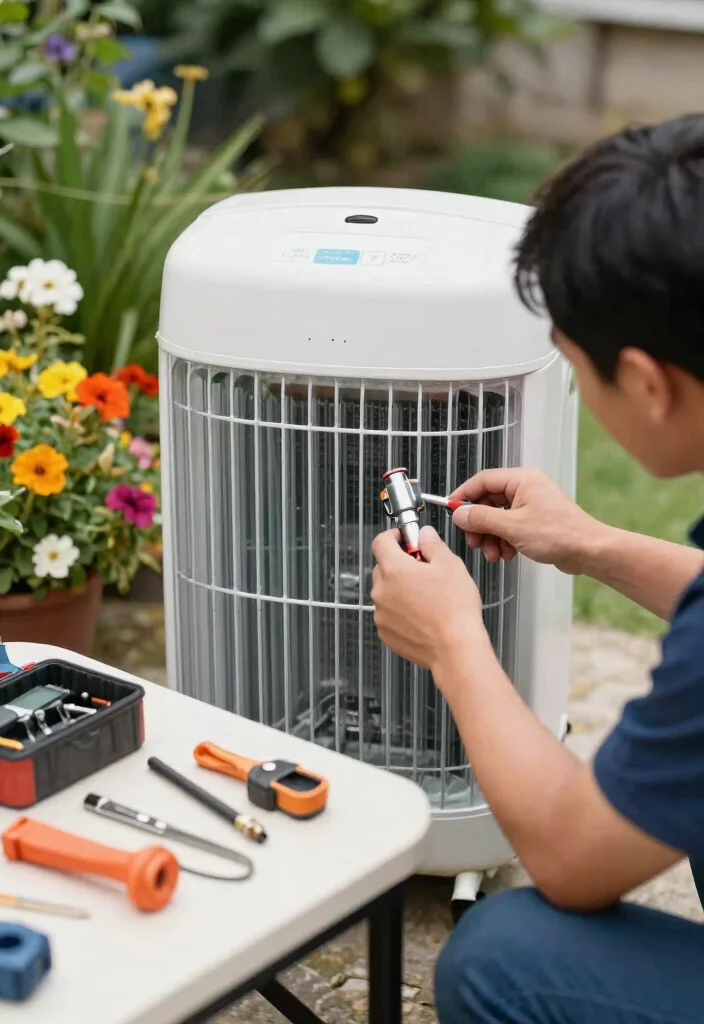
Keeping tabs on your heater’s performance is essential for effective maintenance. Regularly check for unusual noises, temperature fluctuations, or drops in heating efficiency. If your heater starts making strange sounds or takes longer to warm the water, it might be time to seek professional help. Early detection allows you to address minor issues before they turn into major problems, extending your heater’s life.
Consider maintaining a log of heater performance. Track temperatures and any changes you observe over time; this will provide insight into its efficiency and help you identify any necessary adjustments.
Steps for monitoring heater performance:
– Listen for unusual noises during operation
– Note any temperature fluctuations
– Keep a log of performance over time
Monitoring your heater’s performance allows you to catch issues early and maintain efficiency. You’ll enjoy peace of mind knowing your system is functioning well!
9. Maintain Proper Water Levels
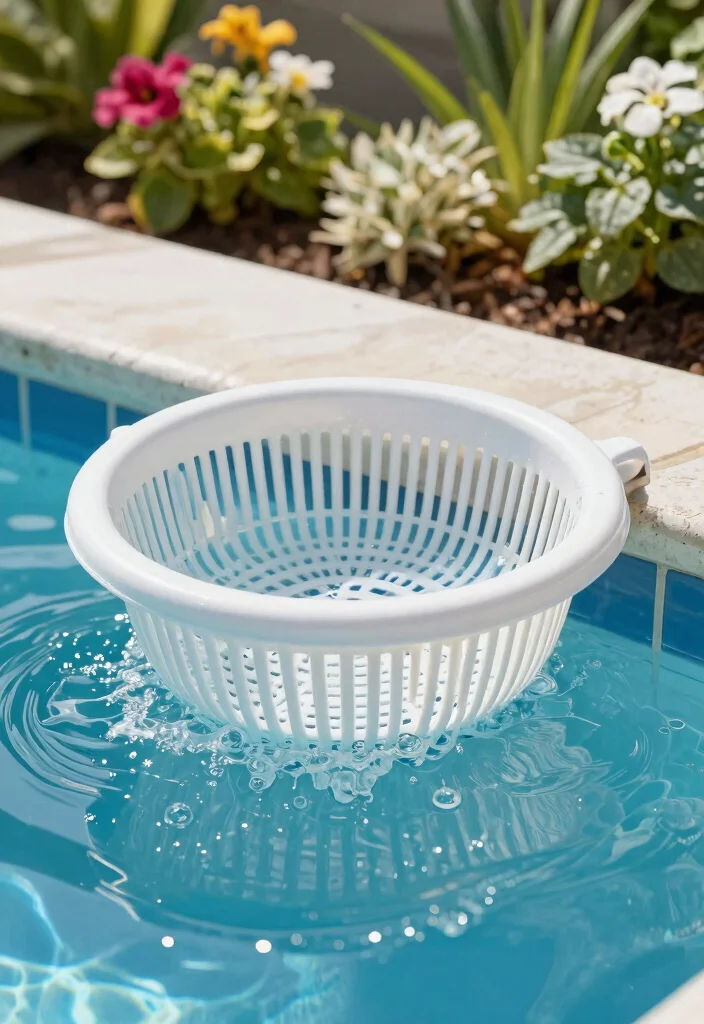
Keeping proper water levels is crucial for the functionality of your pool heater. If the water level is too low, the heater may run dry, leading to overheating and potential damage. Ideally, maintain the water level halfway up the skimmer basket to ensure proper circulation and heating. Regularly check the levels, especially after heavy use or rain.
This practice not only helps ensure the heater operates effectively but also promotes optimal swimming conditions. Consider using automatic fillers to simplify the process of maintaining water levels and keep your pool in excellent condition, enhancing your eco-friendly garden.
Tips for maintaining water levels:
– Check levels regularly, especially after rain
– Keep water halfway up the skimmer basket
– Use automatic fillers for convenience
Maintaining proper water levels protects your heater and ensures a pleasant swimming experience. You’ll enjoy a well-functioning system and optimal conditions for swimming!
10. Educate Yourself on Heater Types
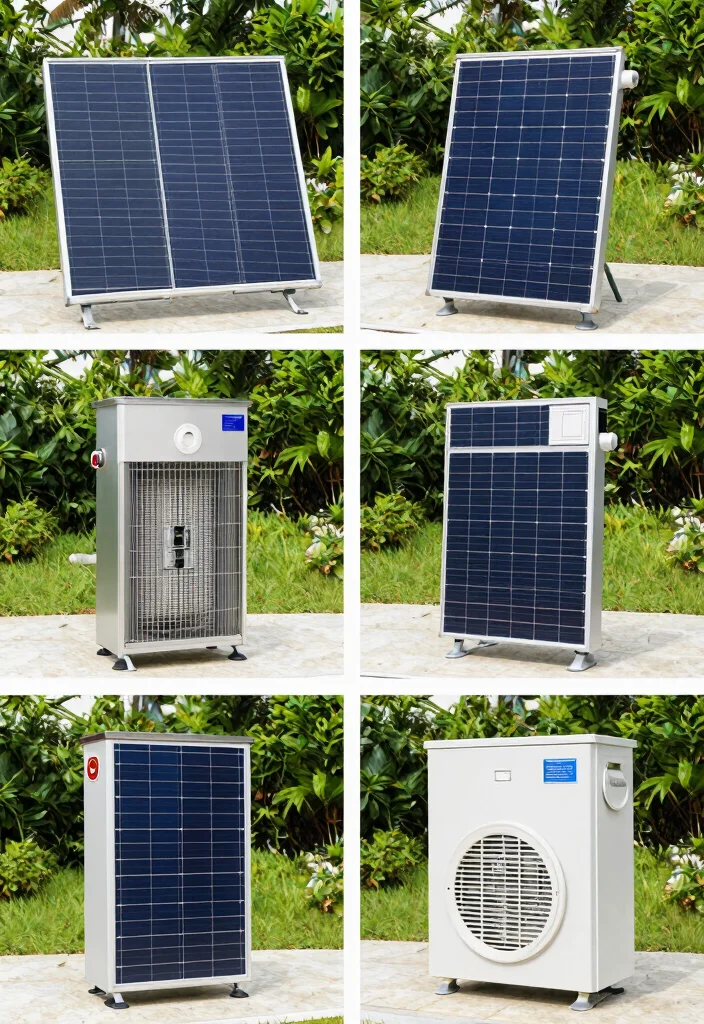
Understanding the different types of pool heaters helps you make informed decisions about maintenance and upgrades. Whether you have a gas, electric, or solar heater, each type comes with unique maintenance requirements and efficiency levels. Familiarizing yourself with your specific heater enables you to implement the best practices for upkeep.
Additionally, staying informed about the latest advancements in energy-efficient heating technologies can guide you in making upgrades that enhance your garden’s sustainability. Many modern heaters offer improved efficiency and environmental benefits, making them perfect for eco-conscious gardeners.
Steps to educate yourself on heater types:
– Research the specific requirements for your heater type
– Stay updated on advancements in heating technology
– Consider efficiency and sustainability in your choices
Understanding your heater type empowers you to perform effective maintenance and make informed upgrades. You’ll benefit from a more efficient system that aligns with your eco-friendly values!
11. Promote Energy-Efficient Practices
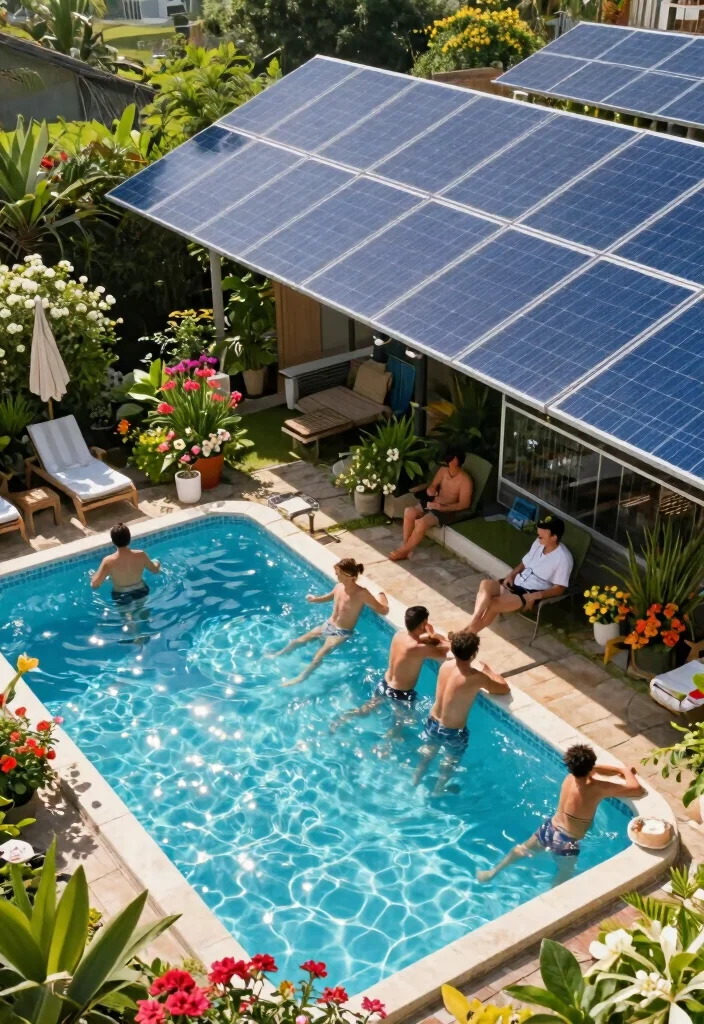
Finally, fostering energy-efficient practices in your pool maintenance routine benefits both your heater and the environment. Consider incorporating renewable energy sources, like solar panels, to power your pool heater. This not only reduces your carbon footprint but can also save you money over time.
Encourage family and friends to adopt similar practices, creating a community of eco-conscious pool owners. The more people understand the importance of energy-efficient pool heating, the larger the positive impact on our environment. Plus, a warm pool in an eco-friendly garden is a fantastic way to gather and enjoy nature responsibly.
Ways to promote energy-efficient practices:
– Incorporate renewable energy sources for heating
– Share knowledge with family and friends
– Create a community of eco-conscious pool owners
Promoting energy-efficient practices leads to a sustainable environment and enhances your pool experience. You’ll enjoy a warm, inviting pool while contributing positively to the planet!
Conclusion

Maintaining your pool heater doesn’t have to be a daunting task. With these 11 essential tips, you can keep your heater running smoothly and efficiently, ensuring a warm swimming experience year-round. Remember, caring for your pool heater is not only about longevity but also about creating a sustainable environment in your garden. By adopting these practices, you’re not just investing in your pool but also in a greener future.
Embrace these tips, and watch your garden and pool thrive together in harmony.
Note: We aim to provide accurate product links, but some may occasionally expire or become unavailable. If this happens, please search directly on Amazon for the product or a suitable alternative.
This post contains Amazon affiliate links, meaning we may earn a small commission if you purchase through our links, at no extra cost to you.
Frequently Asked Questions
What are the essential pool heater maintenance tips for longevity?
To maximize your pool heater’s life, follow a simple routine: regularly inspect for leaks, corrosion, and loose connections.
Clean or repack air intake paths and keep the surrounding area clear for proper airflow.
Verify the thermostat accuracy and reset if needed, and test safety switches and circuit breakers.
Balance pool water chemistry (pH, total alkalinity, calcium hardness) to minimize scale and corrosion, and consider descaling the heat exchanger if you notice mineral buildup.
Keep debris out of skimmers and vents, ensure adequate ventilation, and use a pool cover when not in use to cut heat loss.
Schedule an annual professional service to inspect internal components, connections, and overall health of the system.
For eco-friendly gardening, pair these tips with a high-quality pool cover or solar heating to boost energy-efficient pool heating and reduce energy demand.
How can I boost energy efficiency for my pool heater in an eco-friendly garden?
Start with a few practical changes that make a big impact on energy-efficient pool heating.
Use a tight-fitting pool cover whenever the pool isn’t in use to minimize evaporation and heat loss.
Set the thermostat a few degrees lower and use a timer to avoid unnecessary heating; every degree matters for energy savings.
Keep filters clean and water circulating well so the heater doesn’t work harder than it needs to.
Balance water chemistry to prevent scale and corrosion that reduce heat transfer.
If feasible, explore eco-friendly upgrades like a heat pump, solar pre-heating, or other renewable options to pair with pool heater maintenance tips for greener results.
What seasonal pool upkeep tasks should I perform to keep my heater running smoothly?
A season-by-season plan helps your heater stay efficient year-round.
Spring: inspect for winter damage, clear debris around the unit, test safety switches, and fine-tune thermostat settings.
Summer: keep the pool and filters clean, monitor heater cycles, check for blockages in vents or intakes, and ensure good circulation.
Fall: adjust for cooler nights, ensure the pool cover fits securely, and trim vegetation that could blow debris into the unit.
Winter: in freezing climates, winterize if needed and protect exposed pipes; otherwise, continue light maintenance to prevent surprises.
All along, align tasks with seasonal pool upkeep to support efficient performance.
How can I care for my pool heater to prevent overheating and mineral buildup?
Prevention is your best friend for avoiding overheating and scale buildup.
Maintain adequate water flow through the heater and never run the unit when the pool water is low or stagnant.
Keep pH, alkalinity, and calcium hardness within recommended ranges to minimize scale and corrosion.
Periodically flush or descale the heat exchanger using manufacturer-approved methods if mineral buildup appears.
Consider a scale inhibitor if your water is hard, and inspect for leaks that could cause longer run times.
These steps help sustain reliable heater performance and prolong its life.
What simple at-home checks can boost heater performance without a pro?
You can do several quick checks that have a meaningful impact on performance.
Verify that the thermostat reads correctly and matches your target temperature.
Inspect wiring, outdoor connections, and the power supply for corrosion or loose contacts (power off before inspecting).
Check venting clearance and remove any obstructions around the unit to ensure proper airflow.
Examine the pool pump and filter to ensure strong water flow, which helps the heater work efficiently.
Keep a maintenance log and note any unusual noises or cycling patterns; if anything seems off, schedule a professional service to be safe.



![21 Genius Garden Hose Storage Ideas [End the Clutter]](https://nestire.com/wp-content/uploads/2026/04/21-Genius-Garden-Hose-Storage-Ideas-End-the-Clutter-150x150.webp)
![15 Dreamy Canopy Tent Wedding Reception Ideas [Elegant]](https://nestire.com/wp-content/uploads/2026/04/15-Dreamy-Canopy-Tent-Wedding-Reception-Ideas-Elegant-150x150.webp)